

Air brake tanks are a crucial component in the braking systems of many vehicles, providing a reliable and efficient way to store compressed air for use in the braking process. As a supplier of air brake tanks, I often get asked whether these tanks are used in all types of vehicles. In this blog post, I'll explore this question in detail, looking at the different types of vehicles that commonly use air brake tanks and those that typically do not.
Vehicles That Commonly Use Air Brake Tanks
Heavy - Duty Trucks
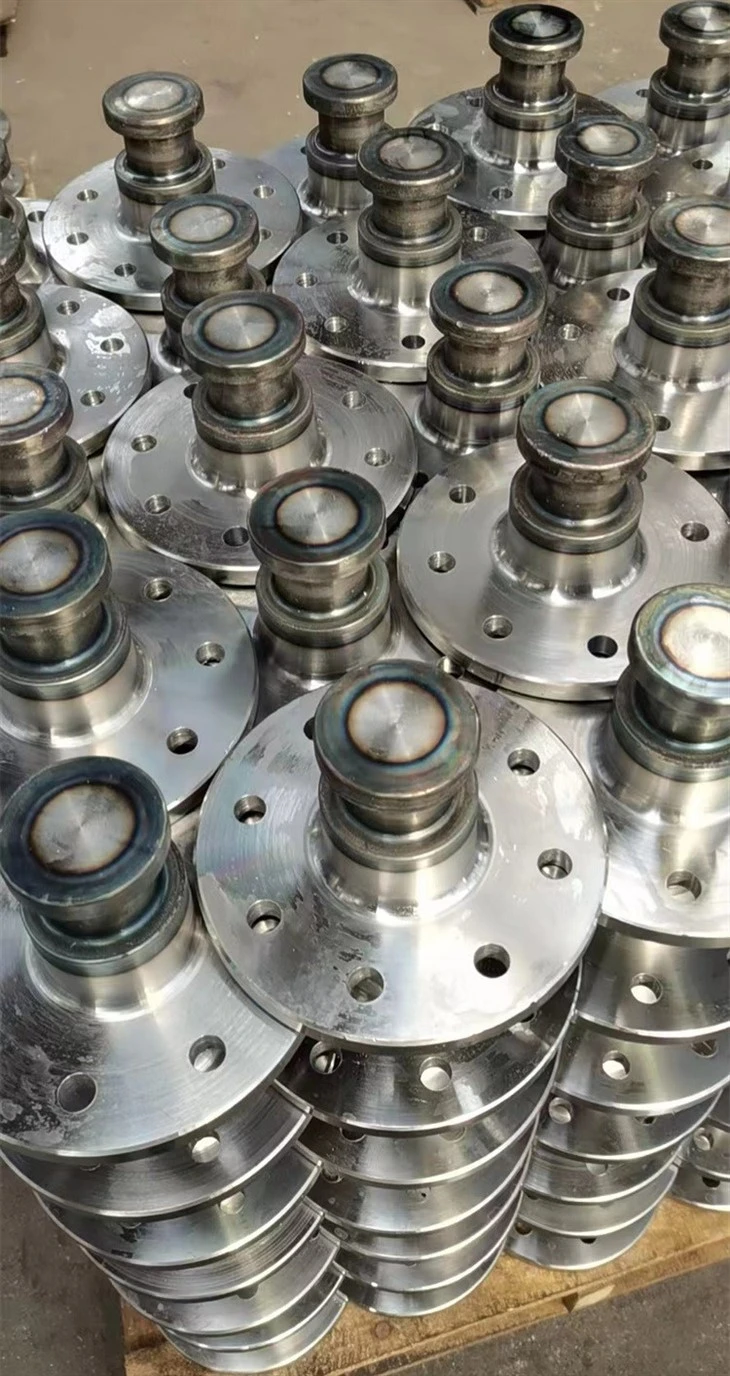
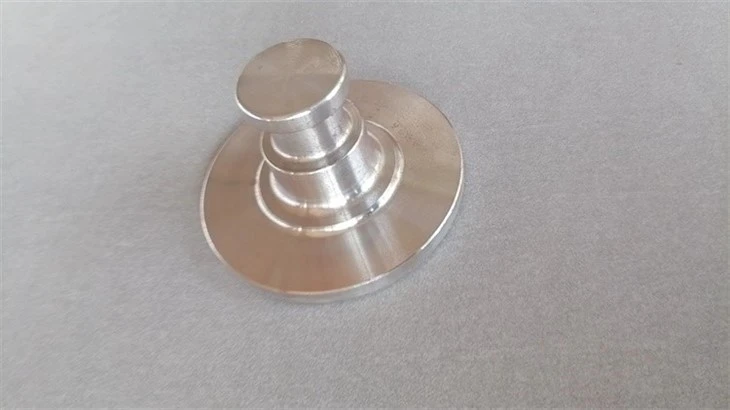
Heavy - duty trucks, such as semi - trailers and large commercial trucks, are perhaps the most well - known users of air brake systems with air brake tanks. These vehicles carry heavy loads, and the air brake system provides the necessary stopping power. The air brake tanks store compressed air, which is then used to actuate the brakes. When the driver presses the brake pedal, the compressed air is released from the tanks and sent to the brake chambers, causing the brakes to engage. The large size and weight of heavy - duty trucks require a braking system that can handle high - pressure applications, and air brakes with air brake tanks are well - suited for this purpose. For example, a long - haul semi - trailer might have multiple air brake tanks to ensure an adequate supply of compressed air for consistent and reliable braking performance. You can find related trailer accessories like Semi Trailer 50 Prefabricated Kingpin which are often used in conjunction with these vehicles.
Buses
Buses, especially large city buses and intercity coaches, also commonly use air brake systems with air brake tanks. Similar to heavy - duty trucks, buses need a powerful and reliable braking system due to their size and the number of passengers they carry. Air brakes offer better control and more consistent performance compared to other types of braking systems. The air brake tanks in buses are designed to store enough compressed air to operate the brakes safely, even during extended periods of use. This is important for buses that make frequent stops, such as those in urban areas. Additionally, air brakes can be easily adjusted and maintained, which is crucial for ensuring the safety of passengers. And if you're interested in other trailer - related parts for buses or similar vehicles, Semi - trailer Plate Spring can be an important component for the overall suspension and stability of the vehicle.
Some Rail Vehicles
Certain types of rail vehicles, such as freight trains and some passenger trains, use air brake systems with air brake tanks. In a train, the air brake system is a complex network that spans multiple cars. Compressed air is stored in air brake tanks on each car and is used to control the brakes. When the engineer applies the brakes, the compressed air is released, and the brakes on all the cars are engaged simultaneously. This synchronized braking is essential for the safe operation of trains, especially those traveling at high speeds or carrying heavy loads. The air brake tanks on rail vehicles are designed to withstand high pressures and provide a large volume of compressed air to ensure effective braking across the entire train.
Vehicles That Typically Do Not Use Air Brake Tanks
Passenger Cars
Most passenger cars do not use air brake systems with air brake tanks. Instead, they rely on hydraulic brake systems. Hydraulic brakes are simpler, more compact, and less expensive to manufacture and maintain compared to air brake systems. In a hydraulic brake system, brake fluid is used to transfer force from the brake pedal to the brake calipers or drums. This system is well - suited for the relatively light weight and lower braking demands of passenger cars. The small size of passenger cars also makes it impractical to install large air brake tanks and the associated components.
Motorcycles
Motorcycles also typically do not use air brake systems. Similar to passenger cars, motorcycles use hydraulic brake systems. The limited space on a motorcycle makes it difficult to accommodate air brake tanks and the necessary piping and valves. Additionally, the braking requirements of motorcycles are different from those of larger vehicles. Motorcycles need a more responsive and lightweight braking system, and hydraulic brakes offer these advantages.
Small Utility Vehicles
Small utility vehicles, such as golf carts, lawn mowers, and some ATVs, usually do not use air brake systems. These vehicles have low - speed and light - load requirements, and simpler braking systems like mechanical or hydraulic brakes are sufficient. The cost and complexity of installing an air brake system with air brake tanks would be disproportionate to the benefits for these types of vehicles.
Factors Influencing the Use of Air Brake Tanks
Vehicle Weight
One of the most significant factors influencing the use of air brake tanks is the weight of the vehicle. Heavier vehicles require more powerful braking systems, and air brakes with air brake tanks can provide the necessary force to stop these vehicles safely. As the weight of the vehicle increases, the braking force needed also increases exponentially. Air brake systems can generate higher pressures and forces compared to other types of braking systems, making them ideal for heavy - duty applications.
Braking Frequency
Vehicles that make frequent stops, such as buses and delivery trucks, benefit from air brake systems with air brake tanks. The ability to quickly recharge the air supply in the tanks ensures that the brakes remain effective even after multiple applications. In contrast, vehicles that make infrequent stops, like some long - distance recreational vehicles, may not require the complexity of an air brake system.
Safety Requirements
Safety is a major consideration in the choice of braking system. Air brake systems are known for their reliability and fail - safe features. For example, in an air brake system, if there is a loss of air pressure, the brakes will automatically engage, providing an additional level of safety. This is particularly important for vehicles that carry passengers or valuable cargo.
Why Choose Our Air Brake Tanks
As a supplier of air brake tanks, we offer a wide range of products that are designed to meet the specific needs of different vehicles. Our air brake tanks are made from high - quality materials, ensuring durability and long - term performance. We use advanced manufacturing techniques to produce tanks that can withstand high pressures and harsh environmental conditions.
Our tanks are also designed with safety in mind. They are equipped with pressure relief valves and other safety features to prevent over - pressurization and ensure the safe operation of the air brake system. Additionally, we offer customization options, allowing us to provide air brake tanks that are tailored to the unique requirements of our customers.
Whether you are a manufacturer of heavy - duty trucks, buses, or rail vehicles, our air brake tanks can provide a reliable and efficient solution for your braking needs. We also offer excellent customer service, with a team of experts who can assist you with any questions or concerns you may have about our products.
Contact Us for Your Air Brake Tank Needs
If you are in the market for high - quality air brake tanks, we invite you to contact us for a consultation. We can discuss your specific requirements and provide you with a detailed quote. Our goal is to help you find the best air brake tank solution for your vehicles, ensuring safety, reliability, and performance. Don't hesitate to reach out to us to start the procurement process and take your vehicle's braking system to the next level.
References
- SAE International. (20XX). "Heavy - Duty Vehicle Brake Systems."
- Federal Motor Carrier Safety Administration. (20XX). "Brake System Requirements for Commercial Motor Vehicles."
- Railway Technical Center. (20XX). "Air Brake Systems in Rail Vehicles."


