

Hey there! As a supplier of axle brake pads, I get asked all the time about how to boost the performance of these crucial components. Axle brake pads are super important for the safety and efficiency of vehicles, whether it's a big rig or a smaller trailer. So, let's dive into some practical ways to improve their performance.
First off, understanding the basics is key. Axle brake pads work by creating friction against the brake rotors to slow down or stop the vehicle. The better the friction, the more effective the braking. One of the main factors that can affect this friction is the quality of the brake pads themselves.
When it comes to choosing the right axle brake pads, material matters a lot. There are different types of materials used in brake pads, like semi - metallic, ceramic, and organic. Semi - metallic brake pads are known for their durability and high - temperature performance. They can handle a lot of heat generated during heavy braking, which is great for vehicles that are often under heavy loads or used for towing. Ceramic brake pads, on the other hand, are quieter and produce less dust. They also have good stopping power and are suitable for a wide range of driving conditions. Organic brake pads are made from natural materials and are usually the most affordable option. However, they may not be as durable as semi - metallic or ceramic pads and might wear out faster under heavy use.
As a supplier, I always recommend choosing high - quality brake pads that are designed for your specific vehicle's needs. You can check the vehicle's manual or consult with a mechanic to find out the best type of brake pads for your rig. And if you're looking for other trailer accessories, we also offer some great products like the Axle Adjusting Arm, which can help with the proper adjustment of your axles for better overall performance.
Another important aspect of improving axle brake pad performance is proper installation. Even the best brake pads won't work well if they're not installed correctly. Make sure to follow the manufacturer's instructions carefully during installation. This includes cleaning the brake calipers and rotors thoroughly to remove any dirt, grease, or old brake material. If there are any damaged parts, like caliper pistons or brake lines, they should be replaced before installing the new brake pads.
After installation, it's crucial to break in the new brake pads properly. This involves gradually increasing the braking force over the first few hundred miles of driving. Start by applying light pressure on the brakes at low speeds. As you drive more, you can gradually increase the braking force. This helps the brake pads and rotors to wear in evenly and develop a good friction surface.
Regular maintenance is also essential for keeping your axle brake pads in top shape. You should check the brake pads regularly for wear. Most brake pads have a wear indicator, which is a small metal tab that makes a screeching sound when the pads are worn down to a certain level. If you hear this sound, it's time to replace the brake pads.
In addition to checking the brake pads, you should also inspect the brake rotors. Over time, the rotors can become warped or develop grooves, which can affect the performance of the brake pads. If the rotors are damaged, they may need to be resurfaced or replaced.
The condition of the brake fluid is another factor that can impact the performance of axle brake pads. Brake fluid absorbs moisture over time, which can lower its boiling point and reduce its effectiveness. You should change the brake fluid according to the vehicle's maintenance schedule. This usually means changing it every two to three years, but it can vary depending on the type of vehicle and how it's used.
Proper lubrication of the brake components is also important. The caliper slides and pins should be lubricated regularly to ensure smooth movement. This helps the brake pads to apply even pressure on the rotors and improves braking performance.

Now, let's talk about driving habits. How you drive can have a big impact on the performance and lifespan of your axle brake pads. Avoid sudden and hard braking as much as possible. Instead, try to anticipate stops and slow down gradually. This reduces the stress on the brake pads and rotors and helps them last longer.
If you're driving a vehicle with a heavy load, like a Semi Trailer 90 Prefabricated Kingpin, you need to be extra careful with your braking. The extra weight means more force is required to stop the vehicle, which can put more strain on the brake pads. Make sure to leave plenty of distance between you and the vehicle in front of you and start braking earlier.
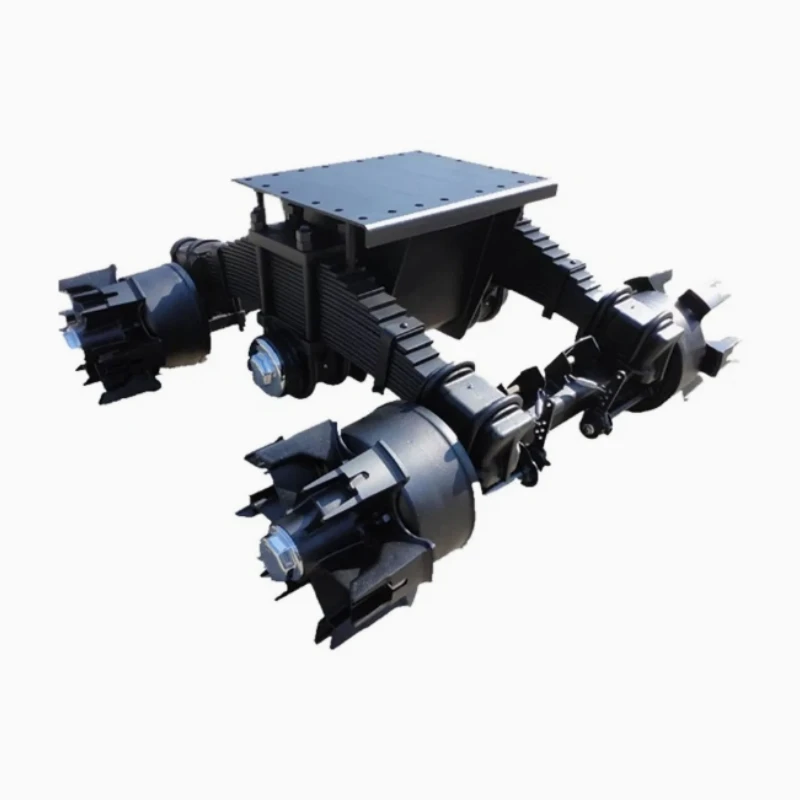
Another thing to consider is the suspension system of the vehicle. A good suspension system helps to keep the wheels in contact with the road surface, which is important for effective braking. If the suspension is worn out or damaged, it can cause uneven braking and put more stress on the brake pads. Products like the Single Point Suspension can provide better stability and improve the overall performance of the braking system.
In conclusion, improving the performance of axle brake pads involves a combination of choosing the right brake pads, proper installation, regular maintenance, good driving habits, and taking care of related components like the rotors, brake fluid, and suspension system. As a supplier, I'm always here to help you find the best solutions for your braking needs. If you're interested in purchasing high - quality axle brake pads or any of our other trailer accessories, feel free to reach out to us for a consultation. We can discuss your specific requirements and provide you with the best products and advice to keep your vehicles safe and running smoothly.
References:
- Automotive Brake System Manuals
- Industry Reports on Brake Pad Performance
- Vehicle Maintenance Guides


