

A faulty brake caliper can indeed damage axle brake pads, and understanding this relationship is crucial for vehicle safety and performance. As a leading supplier of axle brake pads, I've witnessed firsthand the impact of brake caliper issues on brake pad longevity and effectiveness. In this blog, I'll delve into the mechanics of how a faulty brake caliper can harm axle brake pads, the signs to look out for, and the importance of timely maintenance.
How Brake Calipers and Axle Brake Pads Work Together
Before we explore how a faulty brake caliper can damage axle brake pads, let's understand how these components work together in a braking system. The brake caliper is a crucial part of the disc brake system, which is commonly used in modern vehicles. When you press the brake pedal, hydraulic pressure is applied to the brake caliper, causing it to squeeze the brake pads against the brake rotor. This friction between the brake pads and the rotor slows down or stops the vehicle.
Axle brake pads are the components that come into direct contact with the brake rotor. They are made of a friction material that is designed to withstand high temperatures and pressures. Over time, the friction material on the brake pads wears down, and they need to be replaced.
How a Faulty Brake Caliper Can Damage Axle Brake Pads
A faulty brake caliper can cause several problems that can lead to premature wear or damage to the axle brake pads. Here are some of the most common issues:
1. Uneven Wear
One of the most common problems caused by a faulty brake caliper is uneven wear on the axle brake pads. When a brake caliper fails to apply even pressure on the brake pads, one side of the pad may wear down faster than the other. This can result in a situation where one brake pad is significantly thinner than the other, which can affect the braking performance of the vehicle.
2. Sticking Caliper
A sticking brake caliper is another common problem that can damage axle brake pads. When a caliper sticks, it fails to release the brake pads completely after you release the brake pedal. This means that the brake pads remain in contact with the brake rotor, causing them to overheat and wear down prematurely. In severe cases, a sticking caliper can even cause the brake pads to glaze over, which reduces their friction and braking effectiveness.
3. Leaking Caliper
A leaking brake caliper can also cause problems for the axle brake pads. When a caliper leaks, it can allow brake fluid to come into contact with the brake pads. Brake fluid is a corrosive substance that can damage the friction material on the brake pads, reducing their effectiveness and causing them to wear down faster.
4. Seized Caliper
In some cases, a brake caliper can seize up completely. This can happen due to a variety of reasons, such as corrosion, lack of lubrication, or a mechanical failure. When a caliper seizes, it cannot move freely, which means that it cannot apply the correct amount of pressure on the brake pads. This can result in uneven wear, reduced braking performance, and even damage to the brake rotor.
Signs of a Faulty Brake Caliper
It's important to be aware of the signs of a faulty brake caliper so that you can address the issue before it causes damage to the axle brake pads. Here are some of the most common signs:
1. Uneven Braking
If you notice that your vehicle pulls to one side when you apply the brakes, it could be a sign of a faulty brake caliper. This is because the caliper on one side of the vehicle may not be applying the same amount of pressure as the other, causing the vehicle to pull in the direction of the weaker brake.
2. Squealing or Grinding Noises
Squealing or grinding noises when you apply the brakes can also be a sign of a faulty brake caliper. This could be due to a variety of reasons, such as worn brake pads, a sticking caliper, or a problem with the brake rotor.
3. Burning Smell
A burning smell when you apply the brakes could be a sign of a sticking brake caliper. This is because the brake pads are overheating due to the constant friction caused by the sticking caliper.
4. Reduced Braking Performance
If you notice that your vehicle takes longer to stop than usual, or if the brakes feel spongy or unresponsive, it could be a sign of a faulty brake caliper. This could be due to a variety of reasons, such as a leaking caliper, a seized caliper, or a problem with the brake fluid.
Importance of Timely Maintenance
As a supplier of axle brake pads, I cannot stress enough the importance of timely maintenance of your vehicle's braking system. Regular inspections and maintenance can help you identify and address any issues with the brake calipers before they cause damage to the axle brake pads.
Here are some tips for maintaining your vehicle's braking system:
1. Regular Inspections
Have your vehicle's braking system inspected regularly by a qualified mechanic. This will help you identify any issues with the brake calipers, brake pads, or other components before they become serious problems.
2. Replace Worn Brake Pads
Make sure to replace your axle brake pads when they reach the end of their service life. Worn brake pads can reduce the braking performance of your vehicle and increase the risk of accidents.
3. Check Brake Fluid Levels
Regularly check the brake fluid levels in your vehicle. Low brake fluid levels can indicate a leak in the braking system, which can be a sign of a faulty brake caliper.
4. Lubricate Moving Parts
Make sure to lubricate the moving parts of the brake calipers, such as the pistons and slides, to prevent them from sticking or seizing.
Related Trailer Accessories
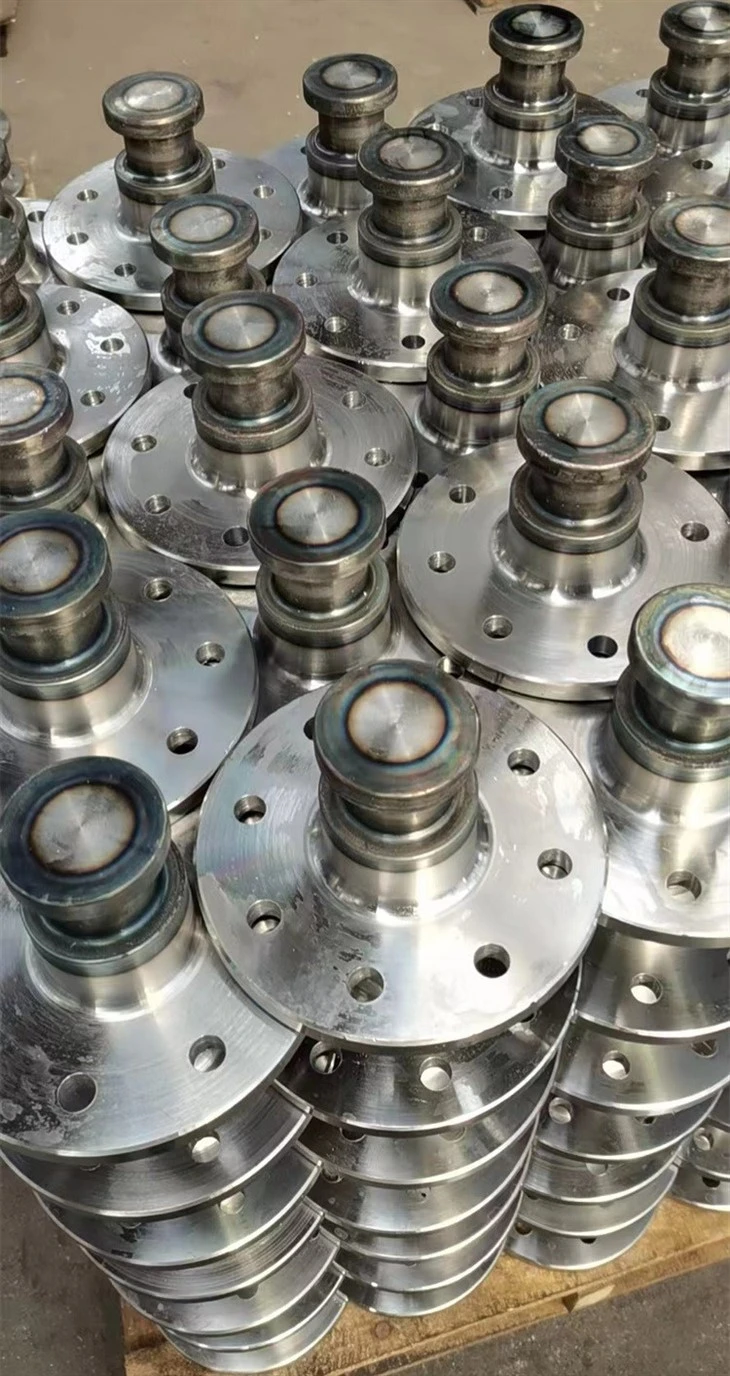
In addition to axle brake pads, we also offer a range of high-quality trailer accessories, including the Semi Trailer 50 Prefabricated Kingpin, Linkage Leg, and Semi-trailer Plate Spring. These accessories are designed to enhance the performance and safety of your trailer.
Contact Us for Your Brake Pad Needs
If you're in the market for high-quality axle brake pads or any of our other trailer accessories, don't hesitate to get in touch. We're committed to providing our customers with the best products and services. Whether you have questions about our products, need advice on maintenance, or are ready to place an order, our team is here to assist you. Reach out to us today to start a productive conversation about your braking and trailer accessory requirements.
References
- "Automotive Brake Systems: Principles and Diagnosis" by James D. Halderman
- "Brake Handbook" by Fred Puhn


