

Can a German Equalizing Beam be Used in Medical Equipment?
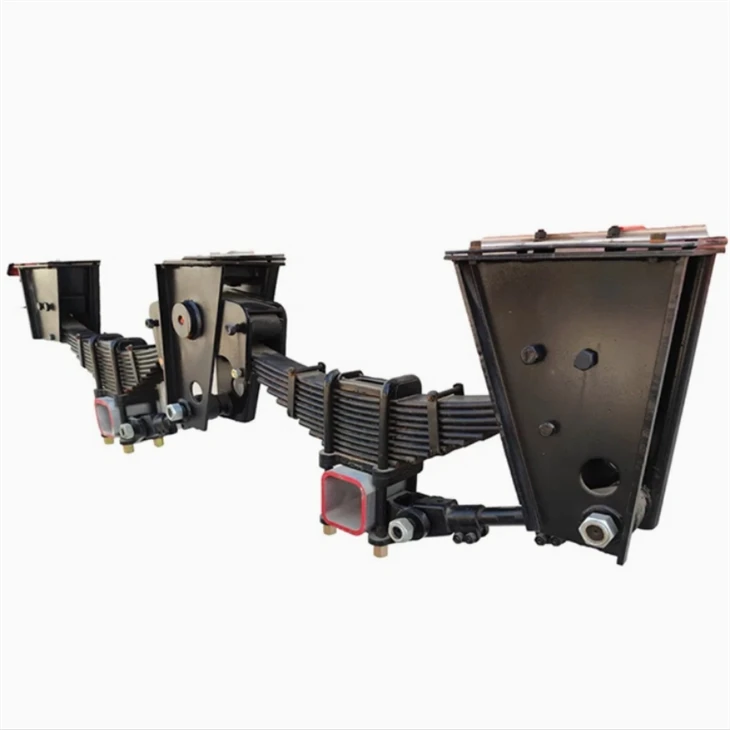
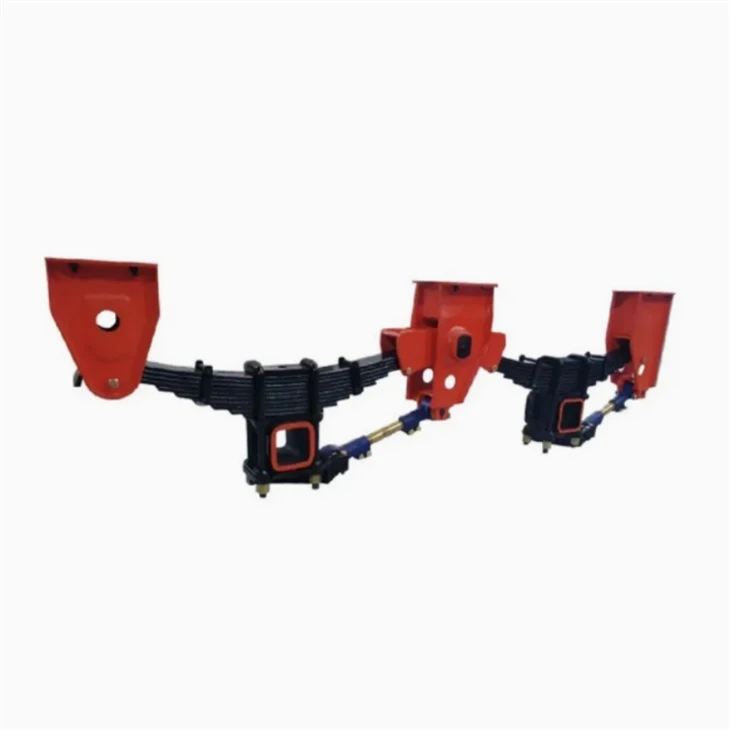
In the world of engineering and technology, the cross - application of components is a fascinating and often fruitful area of exploration. As a supplier of German equalizing beams, a question that has frequently come to my attention is whether these beams can be used in medical equipment. In this blog, we will delve into the characteristics of German equalizing beams, the requirements of medical equipment, and explore the potential for this cross - industry utilization.
German equalizing beams are well - known for their high - quality engineering and precision manufacturing. These beams are typically used in German Style Suspension, such as Heavy Duty German Type Suspension and are often paired with German Type Middle Bracket. They are designed to distribute loads evenly across multiple axles, ensuring stability and smooth operation of vehicles, especially heavy - duty trailers. The key features of German equalizing beams include high strength, durability, and excellent load - equalizing capabilities.
Medical equipment, on the other hand, has a set of very specific requirements. First and foremost, safety is of utmost importance. Any component used in medical equipment must meet strict safety standards to ensure the well - being of patients. This includes material biocompatibility, which means that the materials used should not cause any adverse reactions when in contact with the human body. For example, if a medical device is designed to be implanted or used in close contact with internal organs, the materials must be non - toxic and non - allergenic.
Another crucial requirement for medical equipment is precision. Medical procedures often require extremely accurate measurements and movements. For instance, in surgical robots or imaging equipment, the components need to be able to perform with high precision to diagnose diseases correctly or perform surgeries effectively. Additionally, cleanliness and sterility are essential in medical environments. Equipment must be easy to clean and sterilize to prevent the spread of infections.
Let's analyze whether German equalizing beams can meet these medical equipment requirements. Starting with the material aspect, the materials used in German equalizing beams are usually selected for their mechanical strength and durability in the context of vehicle applications. However, for medical use, it may be necessary to evaluate whether these materials can be modified or replaced with biocompatible alternatives. Common materials in equalizing beams such as steel or certain alloys may not be immediately suitable for direct contact with the human body. There are, however, medical - grade steels and alloys available that offer similar strength characteristics while being biocompatible. With proper material selection and treatment, this issue could potentially be resolved.
In terms of precision, German equalizing beams are engineered to achieve a high level of accuracy in load distribution for vehicles. Translating this precision to medical equipment requires a re - assessment of the required tolerances. Medical applications often demand even higher precision levels than vehicle applications. For example, the precision required for a robotic surgical arm to perform a delicate operation is far greater than that needed for a trailer axle load - equalizing system. Nevertheless, the manufacturing techniques used to produce German equalizing beams, such as precision forging and machining, can be refined to meet the more stringent precision requirements of medical equipment.
Cleanliness and sterility are another significant hurdle. Vehicle components like equalizing beams are not usually designed to be easily cleaned and sterilized in a medical setting. The surface finish, shape, and construction of these beams may pose challenges in removing bacteria and other contaminants. However, by modifying the design and surface treatment of the equalizing beams, it may be possible to create a structure that can be effectively cleaned and sterilized. For example, using smooth, non - porous surfaces and designing the beam in a way that eliminates crevices where dirt can accumulate.
Despite these challenges, there are potential areas where German equalizing beams could be used in medical equipment. One area could be in large - scale medical imaging equipment, such as CT scanners or MRI machines. These machines often require a stable base to ensure accurate imaging. The load - equalizing capabilities of German equalizing beams could be used to distribute the weight of the heavy components of the imaging equipment evenly, reducing the risk of mechanical stress and ensuring long - term stability.
Another possible application could be in rehabilitation equipment. Rehabilitation devices need to provide a stable and balanced platform for patients to perform exercises. The stable structure and load - distribution features of German equalizing beams could be utilized to enhance the stability and performance of these devices.
To conclude, while there are significant challenges in using German equalizing beams in medical equipment, it is not an impossible feat. With careful consideration of material selection, precision enhancement, and modifications for cleanliness and sterility, these beams could find applications in certain types of medical equipment. As a supplier of German equalizing beams, we are committed to exploring these possibilities further and working with medical equipment manufacturers to develop customized solutions.
If you are a medical equipment manufacturer or in the industry looking to explore the potential of using German equalizing beams in your products, we would love to connect with you. Let's engage in a detailed discussion about how these innovative components can be adapted to meet your specific needs. We are eager to start a conversation and explore the opportunities for collaboration.
References
- Mechanical Design in Medical Devices: A Practical Guide. By Larry Bird.
- Vehicle Suspension Design and Analysis. A well - known industry textbook on vehicle engineering.


