
Hey there! I'm a supplier of German equalizing beams, and I often get asked if these beams can be used in semiconductor manufacturing equipment. It's a great question, and in this blog, I'll dive deep into the topic to give you a clear answer.
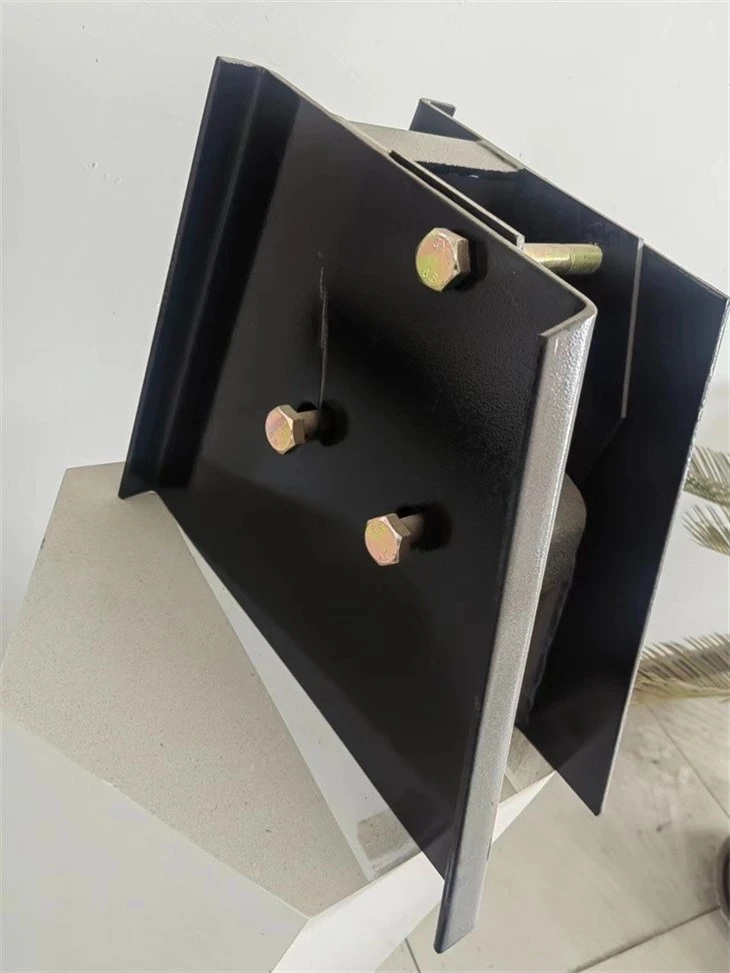
First off, let's talk a bit about what a German equalizing beam is. These beams are known for their high - quality construction and precision engineering. They're designed to distribute loads evenly, which is super important in many industrial applications. The German engineering behind these beams ensures that they're durable, reliable, and can withstand a lot of stress.
Now, when it comes to semiconductor manufacturing equipment, the requirements are extremely strict. Semiconductor manufacturing is a highly precise process that involves creating tiny electronic components on silicon wafers. The equipment used in this process needs to be able to operate with extremely high accuracy, often at the nanometer level.
One of the key aspects of semiconductor manufacturing equipment is stability. Any vibrations or misalignments can lead to defects in the semiconductor chips being produced. German equalizing beams are excellent at providing stability because of their load - equalizing properties. By evenly distributing the weight across different parts of the equipment, they can help reduce vibrations and keep the machinery in proper alignment.
For example, in some semiconductor lithography machines, which are used to pattern the circuits on the wafers, precise positioning is crucial. A German equalizing beam can be used to support the moving parts of the machine, ensuring that they move smoothly and accurately. This helps in achieving the high - resolution patterns required for modern semiconductor devices.
Another important factor in semiconductor manufacturing is cleanliness. The manufacturing environment needs to be free of dust and other contaminants. German equalizing beams can be designed and manufactured in a way that minimizes the generation of particles. They can be made from materials that are resistant to corrosion and wear, reducing the chances of debris being produced during operation.
However, there are also some challenges to using German equalizing beams in semiconductor manufacturing equipment. One of the main challenges is the size and space requirements. Semiconductor manufacturing equipment is often very compact, and the beams need to fit into tight spaces without interfering with other components. Our engineering team has been working hard to develop more compact and lightweight equalizing beams that can meet these space - constrained requirements.
Cost is also a consideration. High - precision components in semiconductor manufacturing can be expensive, and the addition of a German equalizing beam adds to the overall cost of the equipment. But when you consider the benefits in terms of improved quality and reliability, the investment can be well worth it. In the long run, the reduction in production defects and the increase in equipment uptime can lead to significant cost savings.
Let's also talk about the materials used in German equalizing beams. We typically use high - strength steel or aluminum alloys. These materials offer a good balance between strength and weight. The choice of material depends on the specific requirements of the semiconductor manufacturing equipment. For example, if the equipment needs to operate in a high - temperature environment, we might choose a material with better heat resistance.
Now, I want to mention some related products that might be of interest. You can check out our German Type Middle Bracket, German Type Front Bracket, and Heavy Duty German Type Suspension. These products are also based on German engineering principles and can be used in various industrial applications, including some aspects of semiconductor manufacturing where proper support and alignment are needed.
In addition to the technical aspects, we also offer excellent customer support. Our team of experts is always available to answer any questions you might have about using German equalizing beams in your semiconductor manufacturing equipment. We can provide customized solutions based on your specific needs and requirements.
If you're in the semiconductor manufacturing industry and are looking for ways to improve the performance and reliability of your equipment, I encourage you to consider using German equalizing beams. We've seen great results in other industries, and I'm confident that they can bring similar benefits to semiconductor manufacturing.
Whether you're a small startup or a large semiconductor manufacturing company, we can work with you to find the right solution. We understand that every customer has unique needs, and we're committed to providing the best possible products and services.
So, if you're interested in learning more about how our German equalizing beams can be used in your semiconductor manufacturing equipment, don't hesitate to reach out. We're here to have a detailed discussion with you, understand your requirements, and come up with a solution that fits your budget and technical specifications.
In conclusion, German equalizing beams have great potential for use in semiconductor manufacturing equipment. Their stability, load - equalizing properties, and potential for cleanliness make them a valuable addition to the industry. While there are some challenges to overcome, our team is dedicated to providing innovative solutions to make them work effectively in this high - precision environment.
If you're involved in semiconductor manufacturing and think our German equalizing beams could be a good fit for your equipment, please contact us. We're looking forward to working with you to take your semiconductor manufacturing process to the next level.

References
- Semiconductor Manufacturing Handbook, various authors
- Industrial Engineering Journal articles on load - equalizing components


