

As a supplier of built - in iron legs, I've often encountered inquiries about the versatility of our products. One question that comes up quite frequently is whether built - in iron legs can be used for a chair. In this blog, I'll delve into this topic from multiple perspectives, including the advantages, potential challenges, and design considerations.
Advantages of Using Built - in Iron Legs for Chairs
Durability
Iron is renowned for its strength and durability. When used as chair legs, built - in iron legs can withstand significant weight and daily wear and tear. Unlike wooden legs that may crack or break over time, iron legs are less likely to suffer from structural damage. For instance, in a busy office environment where chairs are constantly being moved and sat on, iron legs can ensure the longevity of the chairs, reducing the need for frequent replacements.
Stability
The weight and solid construction of iron provide excellent stability. A chair with built - in iron legs is less likely to wobble compared to chairs with legs made of lighter materials. This is especially important in settings where stability is crucial, such as in a dining room where people need a steady surface to eat. The stability of iron legs also contributes to the overall safety of the chair, preventing accidents caused by tipping.
Aesthetic Appeal
Iron legs can add a touch of industrial or modern elegance to a chair. They come in a variety of finishes, such as matte black, chrome, or brushed steel, which can complement different interior design styles. Whether you're going for a minimalist look or an industrial - chic aesthetic, built - in iron legs can enhance the visual appeal of the chair and make it a statement piece in the room. For example, a simple wooden chair with sleek chrome iron legs can transform the entire look of a living room.
Customizability
As a supplier, we offer a wide range of built - in iron leg designs that can be customized to meet specific requirements. We can adjust the length, thickness, and shape of the legs to fit different chair styles. Whether you need straight legs for a traditional chair or curved legs for a more contemporary design, we can create the perfect fit. This level of customizability allows furniture designers and manufacturers to bring their unique ideas to life.
Potential Challenges
Weight
One of the main drawbacks of using iron legs for chairs is their weight. Iron is a heavy material, and chairs with built - in iron legs can be difficult to move around. This can be a problem in settings where chairs need to be frequently rearranged, such as in a conference room or a classroom. However, this issue can be mitigated by using lighter - weight iron alloys or by designing the chair in a way that distributes the weight evenly.
Cost
Compared to legs made of other materials like plastic or wood, iron legs can be more expensive. The cost of raw materials, manufacturing processes, and finishing treatments all contribute to the higher price. However, it's important to consider the long - term value. The durability and aesthetic appeal of iron legs can justify the initial investment, as they can last for many years without needing replacement.

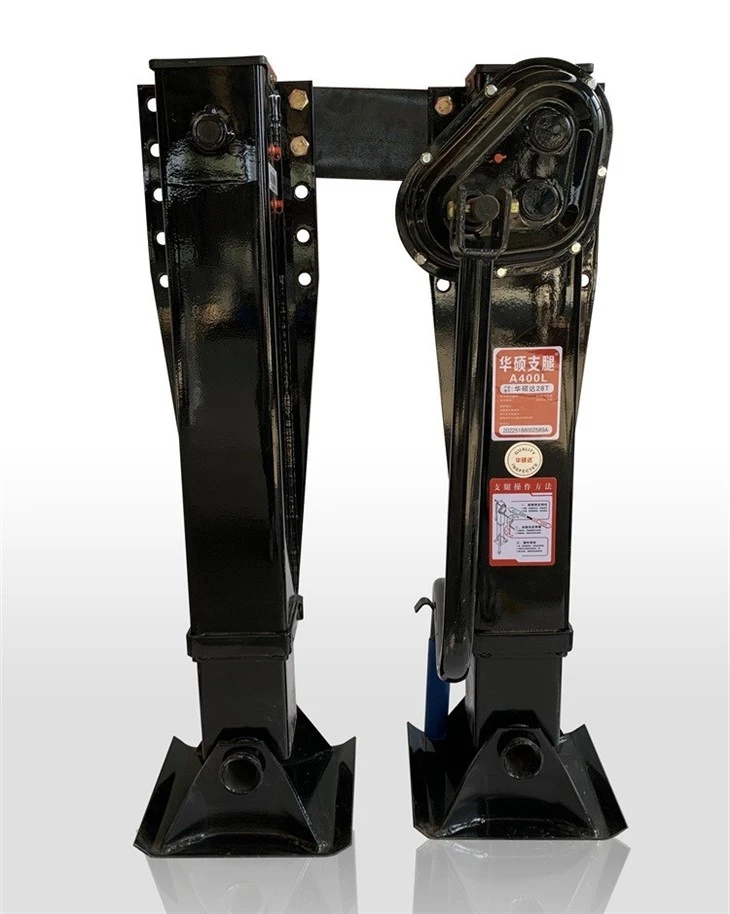
Corrosion
Iron is prone to corrosion, especially when exposed to moisture. If the iron legs are not properly treated or maintained, they can rust over time. This not only affects the appearance of the chair but also weakens the structure. To prevent corrosion, we apply protective coatings to our built - in iron legs, such as powder coating or galvanization. Regular cleaning and proper storage can also help extend the lifespan of the legs.
Design Considerations
Compatibility with Chair Materials
When using built - in iron legs for a chair, it's important to consider the compatibility with other chair materials. For example, if the chair seat is made of a soft fabric, the hard edges of the iron legs may cause damage over time. In such cases, padding or protective caps can be added to the legs. Similarly, the color and finish of the iron legs should complement the other materials used in the chair to create a cohesive look.
Ergonomics
The design of the iron legs should also take into account ergonomic factors. The height and angle of the legs can affect the comfort of the chair. For example, if the legs are too short or too long, it can cause discomfort for the user. We work closely with furniture designers to ensure that our built - in iron legs are designed to meet ergonomic standards, providing a comfortable seating experience.
Installation
Proper installation is crucial for the performance of the chair. Our built - in iron legs are designed to be easy to install, but it's still important to follow the installation instructions carefully. In some cases, professional installation may be required to ensure that the legs are securely attached to the chair and that the chair is stable.
Related Products
In addition to built - in iron legs, we also offer other high - quality trailer accessories. For those interested in our product range, you can check out our Linkage Leg, Air Brake Tanks, and Axle Brake Pads. These products are designed with the same attention to quality and durability as our built - in iron legs.
Conclusion
In conclusion, built - in iron legs can be a great choice for chairs, offering durability, stability, aesthetic appeal, and customizability. While there are some potential challenges such as weight, cost, and corrosion, these can be managed with proper design and maintenance. If you're a furniture designer, manufacturer, or simply someone looking to upgrade your chairs, I encourage you to consider using our built - in iron legs. We are committed to providing high - quality products and excellent customer service. If you have any questions or would like to discuss your specific needs, please don't hesitate to contact us for a procurement negotiation.
References
- Smith, J. (2018). Furniture Materials and Design. New York: ABC Publishing.
- Johnson, R. (2019). Industrial Design Trends. London: XYZ Press.
- Brown, T. (2020). Durability of Metal in Furniture. Sydney: DEF Publications.


