

Hey there! As a supplier of built-in support legs, I often get asked if these nifty gadgets can be used for DIY projects. Well, you bet they can! In this blog, I'm gonna break down all the ways you can incorporate built-in support legs into your DIY adventures.
First off, let's talk about what built-in support legs are. These are sturdy, reliable legs that can be integrated into various structures to provide extra stability. They come in different sizes, shapes, and materials, so you can find the perfect ones for your project. Whether you're working on a small home decor piece or a large outdoor structure, built-in support legs have got your back.
One of the most common DIY uses for built-in support legs is in furniture making. If you're building a table, for example, adding built-in support legs can make it more durable and less wobbly. You can attach them to the corners or along the sides of the tabletop to distribute the weight evenly. This not only makes the table sturdier but also gives it a more professional look.
Let's say you're making a rustic wooden coffee table. You can use Built-in Support Legs to add a touch of industrial charm. These legs are often made of iron or steel, which gives them a strong and edgy appearance. You can paint them to match the color of your table or leave them in their natural finish for a more raw look.
Another great DIY project for built-in support legs is building a bookshelf. If you're using large, heavy books, a flimsy bookshelf just won't cut it. By adding built-in support legs to the sides or back of the bookshelf, you can prevent it from tipping over and ensure that it can hold all your precious reads. You can also use them to create a more open and airy design, allowing you to show off your books in style.
For a modern and minimalist bookshelf, you might consider using Linkage Leg. These legs are designed to be adjustable, so you can customize the height of your bookshelf to fit your space. They also have a sleek and simple look that will complement any decor.
But it's not just furniture that can benefit from built-in support legs. You can also use them in outdoor DIY projects. For instance, if you're building a raised garden bed, adding support legs can help keep the soil in place and prevent the bed from collapsing. You can use Built-in Support Legs made of galvanized steel, which is resistant to rust and corrosion, making them perfect for outdoor use.
These legs can also be used to create a more stable base for a pergola or a gazebo. By attaching them to the corners or along the sides of the structure, you can ensure that it can withstand strong winds and other weather conditions. This is especially important if you live in an area with harsh weather.
Now, let's talk about the advantages of using built-in support legs in your DIY projects. One of the biggest benefits is the added stability. As I mentioned earlier, these legs can help distribute the weight evenly, making your projects more durable and less likely to break or collapse. This is especially important for projects that will be used frequently or that need to support a lot of weight.
Another advantage is the versatility. Built-in support legs come in a wide range of styles and sizes, so you can find the ones that best suit your project. Whether you're going for a traditional, modern, or industrial look, there's a pair of support legs out there for you. You can also mix and match different types of legs to create a unique and personalized design.
In addition, using built-in support legs can save you time and money. Instead of having to build a complex support structure from scratch, you can simply attach the legs to your project. This not only makes the construction process faster but also reduces the amount of materials you need. You can also reuse the legs in future projects, making them a cost-effective option in the long run.
So, how do you go about using built-in support legs in your DIY projects? The first step is to choose the right legs for your project. Consider the size, weight, and style of your project, as well as the amount of support you need. You can also look at the load capacity of the legs to make sure they can handle the weight.
Once you've chosen the legs, you'll need to prepare your project for installation. This may involve measuring and marking the spots where the legs will be attached, as well as drilling holes if necessary. Make sure you follow the manufacturer's instructions carefully to ensure a proper installation.

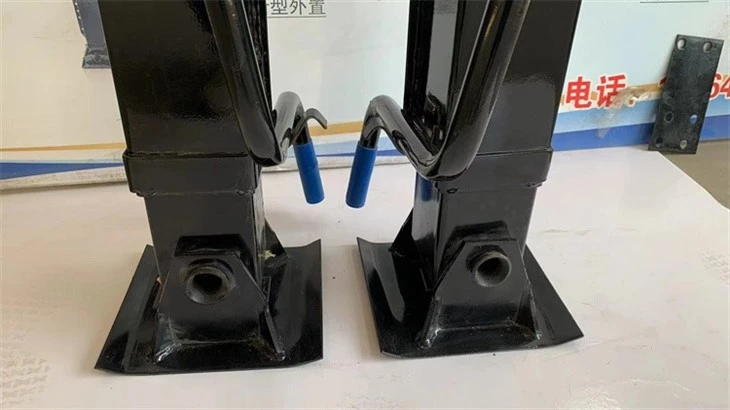
When it comes to attaching the legs, you can use screws, bolts, or other fasteners. Make sure the legs are securely attached and that they are level. You may also need to use a level or a plumb line to ensure that the project is straight and stable.
If you're not confident in your DIY skills, don't worry! There are plenty of resources available online that can help you with the installation process. You can also watch video tutorials or read step-by-step guides to get a better understanding of how to use built-in support legs.
In conclusion, built-in support legs are a great addition to any DIY project. They offer added stability, versatility, and cost savings, making them a popular choice among DIY enthusiasts. Whether you're building furniture, outdoor structures, or something else entirely, these legs can help you create a strong and durable project that will last for years to come.
If you're interested in purchasing built-in support legs for your next DIY project, I'd love to hear from you. We offer a wide range of high-quality support legs at competitive prices. Just reach out to us, and we'll be happy to help you find the perfect legs for your needs. Let's start creating together!
References
- General knowledge about DIY projects and built-in support legs.


