
Can external support legs be used in equipment with high - frequency vibration?
In the realm of industrial equipment and machinery, the issue of supporting components in high - frequency vibration environments is a critical one. As a supplier of external support legs, I often encounter questions from customers regarding the suitability of our products in such demanding conditions. This blog post aims to explore whether external support legs can be effectively used in equipment with high - frequency vibration, taking into account various technical and practical aspects.
Understanding High - Frequency Vibration
High - frequency vibration refers to oscillations that occur at a relatively high rate, typically above a few hundred Hertz. Such vibrations can be generated by a variety of sources, including rotating machinery, reciprocating engines, and certain manufacturing processes. These vibrations pose unique challenges for equipment components, as they can cause fatigue, loosening of fasteners, and even structural damage over time.
The characteristics of high - frequency vibration include short wavelengths and rapid changes in direction and amplitude. These factors make it essential for any supporting structure to be able to withstand the dynamic forces exerted by the vibration. Failure to do so can result in reduced equipment performance, increased maintenance costs, and potential safety hazards.
The Role of External Support Legs
External support legs are designed to provide additional stability and support to equipment. They are commonly used in applications where the equipment's base may not be sufficient to handle the load or where additional reinforcement is required. Support legs can be made from a variety of materials, such as steel, aluminum, and composite materials, each with its own set of properties and advantages.
The primary function of external support legs is to distribute the weight of the equipment evenly and reduce the stress on the base. In high - frequency vibration environments, they can also help to dampen the vibrations and prevent them from causing excessive movement or damage to the equipment. However, the effectiveness of external support legs in such conditions depends on several factors, including their design, material, and installation method.
Factors Affecting the Use of External Support Legs in High - Frequency Vibration
Design
The design of external support legs plays a crucial role in their ability to handle high - frequency vibration. A well - designed support leg should have a proper shape and structure to minimize the stress concentrations caused by the vibrations. For example, legs with a tapered or curved design can help to distribute the forces more evenly, reducing the risk of fatigue failure.
In addition, the design should also take into account the frequency and amplitude of the vibrations. Support legs may need to be tuned to the specific vibration characteristics of the equipment to ensure optimal performance. This can involve adjusting the stiffness, damping, and natural frequency of the legs to match the vibration frequencies of the equipment.
Material
The choice of material for external support legs is another important factor. Different materials have different mechanical properties, such as strength, stiffness, and damping capacity. For high - frequency vibration applications, materials with high damping capacity are often preferred, as they can absorb and dissipate the energy of the vibrations more effectively.
Steel is a commonly used material for support legs due to its high strength and durability. However, it may not have the best damping properties. Aluminum, on the other hand, is lighter and has better damping characteristics, making it a good choice for some high - frequency vibration applications. Composite materials, such as fiberglass - reinforced plastics, offer a combination of strength, light weight, and good damping properties, and are increasingly being used in support leg design.
Installation
Proper installation of external support legs is essential for their effective use in high - frequency vibration environments. The legs should be securely attached to the equipment and the supporting surface to prevent any movement or loosening during operation. This may involve using appropriate fasteners, such as bolts and nuts, and ensuring that they are tightened to the correct torque.
In addition, the installation should also take into account the alignment of the support legs. Misaligned legs can cause uneven loading and increase the stress on the equipment, leading to premature failure. Therefore, it is important to ensure that the legs are installed at the correct angles and positions to provide balanced support.
Case Studies
To illustrate the practical application of external support legs in high - frequency vibration environments, let's consider a few case studies.
In a manufacturing plant, a high - speed rotating machine was experiencing excessive vibration, which was causing damage to the equipment and affecting the quality of the products. The plant managers decided to install external support legs made of steel to provide additional stability. After the installation, the vibration levels were significantly reduced, and the equipment's performance improved. The support legs were designed with a tapered shape to distribute the forces evenly, and they were installed using high - strength bolts to ensure a secure connection.
In another case, a semi - trailer was experiencing high - frequency vibration during transportation, which was causing discomfort to the driver and potential damage to the cargo. The trailer owner installed Built - in Aluminum Legs to provide additional support. The aluminum legs were chosen for their light weight and good damping properties. After the installation, the vibration levels were reduced, and the ride quality of the trailer improved.
Potential Challenges and Solutions
Despite the potential benefits of using external support legs in high - frequency vibration environments, there are also some challenges that need to be addressed. One of the main challenges is the risk of resonance. Resonance occurs when the natural frequency of the support legs matches the frequency of the vibrations, causing the amplitude of the vibrations to increase significantly. This can lead to severe damage to the equipment and the support legs.
To avoid resonance, it is important to ensure that the natural frequency of the support legs is different from the frequency of the vibrations. This can be achieved by adjusting the design and material of the legs. For example, increasing the stiffness of the legs can increase their natural frequency, while adding damping materials can reduce the amplitude of the vibrations.
Another challenge is the maintenance of the support legs. In high - frequency vibration environments, the legs may be subject to wear and tear, and the fasteners may loosen over time. Regular inspection and maintenance are required to ensure that the support legs are in good condition and that the fasteners are tightened to the correct torque.
Conclusion
In conclusion, external support legs can be used in equipment with high - frequency vibration, but their effectiveness depends on several factors, including their design, material, and installation method. By carefully considering these factors and addressing the potential challenges, it is possible to use external support legs to provide additional stability and support to equipment in high - frequency vibration environments.
As a supplier of external support legs, we have the expertise and experience to provide high - quality products that are suitable for a wide range of applications, including those with high - frequency vibration. Our products are designed and manufactured to meet the highest standards of quality and performance, and we offer a variety of materials and designs to meet the specific needs of our customers.
If you are interested in learning more about our external support legs or would like to discuss your specific requirements, please feel free to contact us. We look forward to working with you to find the best solution for your equipment.
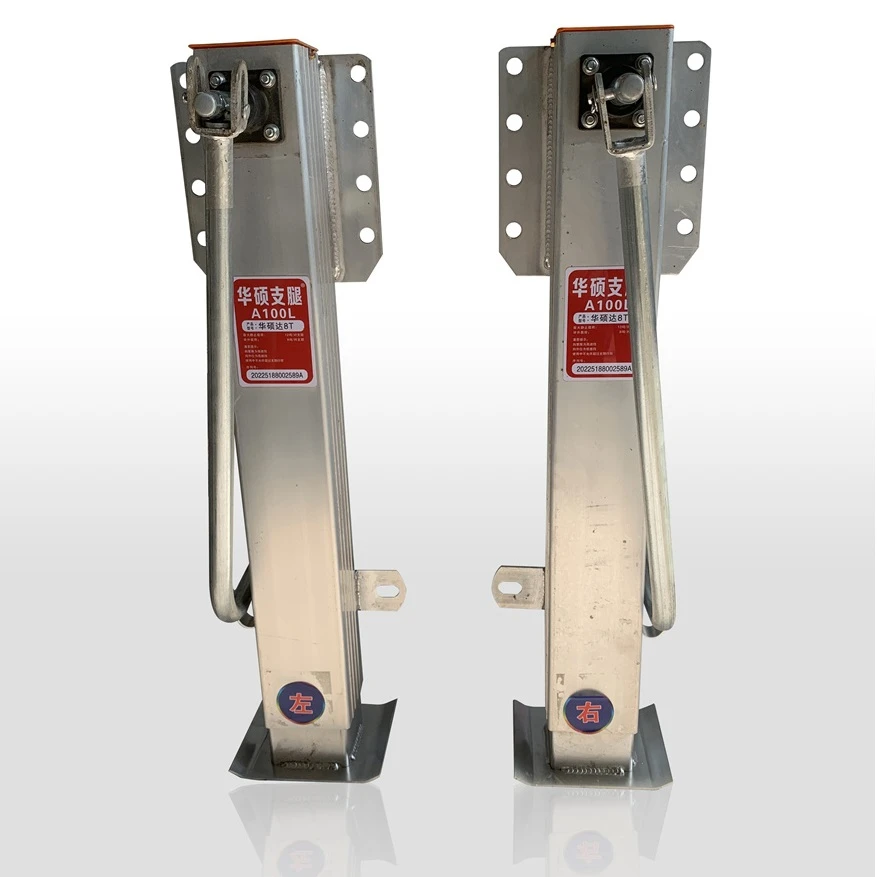
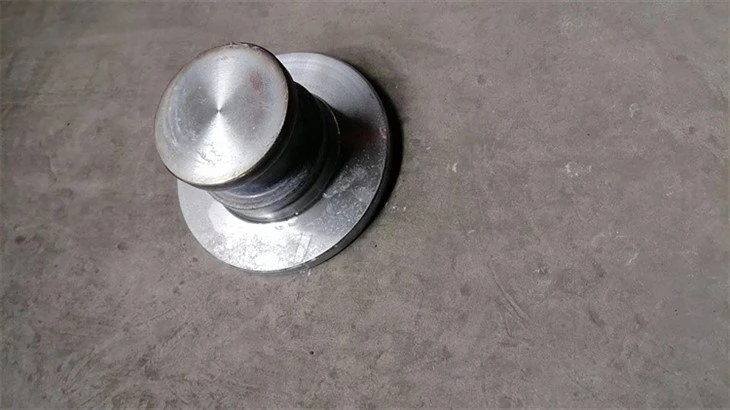
In addition to external support legs, we also offer other trailer accessories, such as Axle Brake Pads and Semi - trailer King Pin. These products are designed to enhance the performance and safety of your trailers.
References
- Mechanical Vibration: Analysis, Uncertainties, and Control, by Andrew D. Ball
- Handbook of Vibration Engineering, by Ching - Jen Chen
- Vibration Analysis for Machinery Maintenance and Predictive Maintenance, by Richard G. Randall


