

As a supplier of German style suspension, I've often been asked whether this type of suspension can be used in convertibles. It's a question that delves into the technicalities of automotive engineering and the unique requirements of different vehicle types. In this blog post, I'll explore the feasibility of using German style suspension in convertibles, weighing the pros and cons based on their design, performance, and practicality.
Understanding German Style Suspension
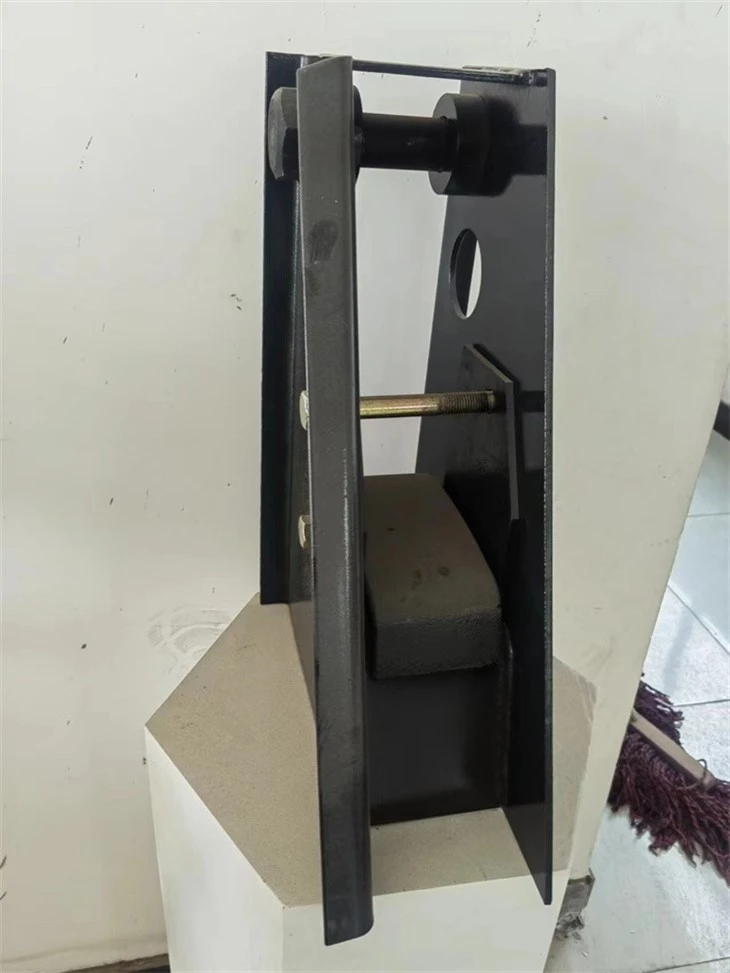
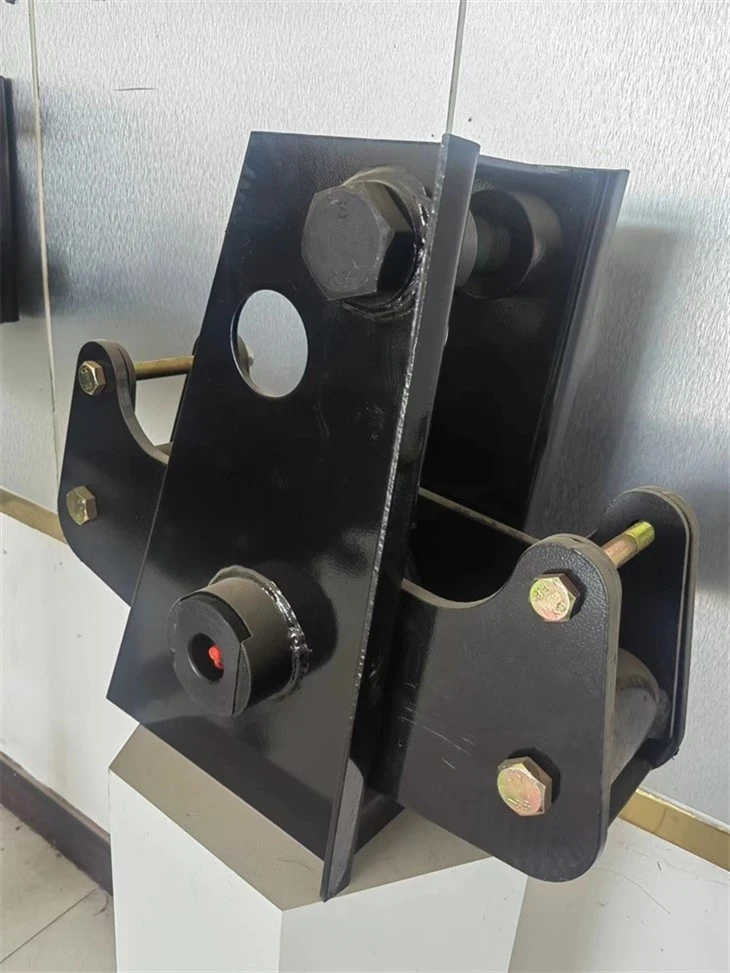
German style suspension is renowned for its robustness, precision, and superior handling characteristics. It typically features a combination of advanced engineering and high - quality materials, which contribute to its reputation for durability and performance. Key components of German style suspension include the German Type Front Bracket and the German Type Middle Bracket. These brackets are designed to provide a stable foundation for the suspension system, ensuring proper alignment and load distribution.
The Heavy Duty German Type Suspension is another notable variant, which is engineered to handle heavy loads and harsh driving conditions. It often incorporates features such as heavy - duty springs, shock absorbers, and linkages, which are optimized for maximum performance and reliability.
The Unique Challenges of Convertibles
Convertibles present a set of unique challenges when it comes to suspension design. Unlike traditional hard - top vehicles, convertibles have a more flexible body structure due to the absence of a fixed roof. This lack of structural rigidity can lead to increased body flex during cornering, braking, and acceleration, which can affect the handling and stability of the vehicle.
Another challenge is the additional weight that can be associated with the convertible's retractable roof mechanism. This extra weight can change the vehicle's center of gravity and load distribution, potentially putting more stress on the suspension components.
Advantages of Using German Style Suspension in Convertibles
1. Enhanced Handling
German style suspension is designed to provide precise handling and excellent road feedback. The advanced damping and spring characteristics can help to counteract the body flex in convertibles, resulting in more stable cornering and a smoother ride. The high - quality components used in German style suspension are also more resistant to wear and tear, ensuring consistent performance over time.
2. Durability
Given the additional stress that convertibles can place on the suspension system, durability is a crucial factor. German style suspension is known for its long - lasting performance, thanks to its heavy - duty construction and high - quality materials. This means that it can withstand the rigors of daily driving, as well as the unique challenges posed by convertible design.
3. Customization
German style suspension systems often offer a high degree of customization. This allows for fine - tuning of the suspension settings to suit the specific needs of a convertible. For example, the spring rates and damping coefficients can be adjusted to account for the vehicle's weight distribution and handling characteristics, providing an optimized driving experience.
Disadvantages of Using German Style Suspension in Convertibles
1. Cost
One of the main drawbacks of German style suspension is its cost. The high - quality materials and advanced engineering that go into these suspension systems make them more expensive than some other options. For convertible owners on a budget, the cost of installing a German style suspension may be prohibitive.
2. Ride Comfort
While German style suspension is designed for performance, it can sometimes result in a stiffer ride compared to other suspension systems. This may not be ideal for convertible owners who prioritize a smooth and comfortable driving experience. The stiffer suspension can transmit more road vibrations and bumps to the cabin, which may be less enjoyable during long drives.
3. Compatibility
Ensuring compatibility between the German style suspension and the convertible's existing components can be a challenge. The unique body structure and weight distribution of convertibles may require additional modifications or adaptations to the suspension system. This can add to the complexity and cost of installation.
Case Studies and Real - World Applications
There have been several instances where German style suspension has been successfully used in convertibles. In some high - performance convertible models, the addition of German style suspension has significantly improved the vehicle's handling and performance. For example, sports car manufacturers have experimented with these suspension systems to enhance the driving dynamics of their convertible offerings.
However, there have also been cases where the installation of German style suspension in convertibles has presented challenges. Some owners have reported issues with ride comfort and compatibility, highlighting the importance of careful consideration before making a decision.
Technical Considerations
When considering using German style suspension in a convertible, several technical factors need to be taken into account.
1. Weight Distribution
Proper weight distribution is crucial for the performance of any vehicle, especially convertibles. The suspension system needs to be designed to handle the vehicle's weight evenly, taking into account the additional weight of the convertible roof mechanism. This may require adjusting the spring rates and damping settings to ensure optimal performance.
2. Body Flex
As mentioned earlier, body flex is a significant issue in convertibles. The suspension system should be able to compensate for this flex, providing stable handling and a smooth ride. German style suspension's advanced damping technology can help to reduce the effects of body flex, but it may require careful tuning to achieve the best results.
3. Compatibility with Other Components
The suspension system must be compatible with the convertible's other components, such as the steering, brakes, and drivetrain. Any incompatibilities can lead to handling issues and potential safety risks. It's essential to work with a professional installer who has experience with German style suspension and convertible vehicles.
Conclusion
In conclusion, the use of German style suspension in convertibles is a complex issue with both advantages and disadvantages. While it offers enhanced handling, durability, and customization options, it also comes with a higher cost, potential ride comfort issues, and compatibility challenges.
Ultimately, the decision to use German style suspension in a convertible depends on the individual needs and preferences of the owner. If performance and handling are top priorities, and the owner is willing to invest in a high - quality suspension system, then German style suspension can be a viable option. However, if cost and ride comfort are the main concerns, other suspension systems may be more suitable.
If you're interested in learning more about our German style suspension products and their suitability for convertibles, we'd be happy to discuss your specific requirements. Our team of experts can provide detailed information and guidance to help you make an informed decision. Contact us today to start the conversation about how our suspension systems can enhance your convertible driving experience.
References
- Automotive Engineering Handbook, various editions
- Journal of Vehicle Suspension, Dynamics, and Design
- Manufacturer's technical specifications for German style suspension systems


