

Can I upgrade my existing axle brake pads for better performance?
As an established supplier of axle brake pads, I often receive inquiries from customers eager to enhance the performance of their vehicles. One of the most common questions is whether they can upgrade their existing axle brake pads for better performance. In this blog post, I'll delve into this topic, exploring the factors to consider, the benefits of upgrading, and the steps involved in the process.
Understanding Axle Brake Pads
Before we discuss upgrading, it's essential to understand what axle brake pads are and how they work. Axle brake pads are a crucial component of a vehicle's braking system. They are designed to create friction against the brake rotors or drums, which in turn slows down or stops the vehicle. The performance of brake pads can significantly impact a vehicle's safety and drivability.
There are several types of axle brake pads available on the market, each with its own set of characteristics and performance capabilities. These include organic, semi-metallic, ceramic, and low-metallic NAO (non-asbestos organic) brake pads. Organic brake pads are made from natural materials and offer a quiet and smooth braking experience. Semi-metallic brake pads, on the other hand, contain metal fibers that provide better heat dissipation and braking performance. Ceramic brake pads are known for their long lifespan, low dust production, and excellent braking performance in various conditions. Low-metallic NAO brake pads combine the benefits of organic and semi-metallic brake pads, offering good performance and reduced noise.
Factors to Consider Before Upgrading
Upgrading your axle brake pads can be a great way to improve your vehicle's braking performance, but it's not a decision to be taken lightly. There are several factors to consider before making the switch.
Compatibility
The first and most important factor is compatibility. Not all brake pads are suitable for all vehicles. You need to ensure that the brake pads you choose are compatible with your vehicle's make, model, and year. This information can usually be found in your vehicle's owner's manual or by consulting with a professional mechanic.
Driving Conditions
Your driving conditions also play a significant role in determining the type of brake pads that are best for you. If you do a lot of city driving, you may want to consider brake pads that offer good stopping power at low speeds and are resistant to wear and tear. On the other hand, if you frequently drive on highways or in mountainous areas, you may need brake pads that can handle high temperatures and provide consistent braking performance under heavy loads.
Performance Requirements
Your performance requirements are another important consideration. If you're looking for improved braking performance, you may want to choose brake pads that offer better stopping power, shorter braking distances, and reduced fade. However, these high-performance brake pads may also produce more dust and noise than standard brake pads.
Budget
Finally, you need to consider your budget. Upgrading your brake pads can be a significant investment, and the cost can vary depending on the type of brake pads you choose. It's important to find a balance between performance and cost to ensure that you're getting the best value for your money.
Benefits of Upgrading Axle Brake Pads
Upgrading your axle brake pads can offer several benefits, including:
Improved Braking Performance
One of the primary benefits of upgrading your brake pads is improved braking performance. High-performance brake pads are designed to provide better stopping power, shorter braking distances, and reduced fade, which can enhance your vehicle's safety and drivability.
Longer Lifespan
Another benefit of upgrading your brake pads is a longer lifespan. Ceramic and semi-metallic brake pads, for example, are known for their durability and can last longer than organic brake pads. This can save you money in the long run by reducing the frequency of brake pad replacements.
Reduced Noise and Dust
Upgrading to high-quality brake pads can also reduce noise and dust. Ceramic brake pads, in particular, are known for their quiet operation and low dust production. This can improve the overall driving experience and keep your wheels clean.
Better Heat Dissipation
High-performance brake pads are designed to dissipate heat more effectively than standard brake pads. This can prevent brake fade, which occurs when the brakes overheat and lose their effectiveness. By maintaining consistent braking performance under high temperatures, upgraded brake pads can enhance your vehicle's safety and reliability.
Steps to Upgrade Axle Brake Pads
If you've decided to upgrade your axle brake pads, here are the steps involved in the process:
Gather the Necessary Tools
Before you start, you'll need to gather the necessary tools, including a jack, jack stands, a lug wrench, a C-clamp, a socket set, and a brake pad spreader. You may also need a brake cleaner and some lubricant.
Prepare Your Vehicle
Park your vehicle on a flat, level surface and engage the parking brake. Loosen the lug nuts on the wheels that you'll be working on, but don't remove them yet. Then, use the jack to lift the vehicle off the ground and place the jack stands under the vehicle for support. Remove the lug nuts and the wheels.
Remove the Old Brake Pads
Locate the brake caliper and remove the bolts that hold it in place. Carefully remove the caliper from the brake rotor and hang it from the suspension using a piece of wire or a bungee cord. Then, remove the old brake pads from the caliper.
Install the New Brake Pads
Before installing the new brake pads, use the brake cleaner to clean the brake caliper and the brake rotor. Then, apply a small amount of lubricant to the back of the new brake pads. Place the new brake pads in the caliper and make sure they are properly seated.
Reinstall the Brake Caliper
Reinstall the brake caliper on the brake rotor and tighten the bolts to the manufacturer's specifications. Then, use the C-clamp to compress the caliper piston back into its housing. This will make room for the new, thicker brake pads.
Reinstall the Wheels
Place the wheels back on the vehicle and hand-tighten the lug nuts. Then, lower the vehicle to the ground and use the lug wrench to tighten the lug nuts to the manufacturer's specifications.
Test the Brakes
Before driving your vehicle, pump the brake pedal a few times to ensure that the brakes are working properly. Then, take your vehicle for a short test drive and test the brakes at low speeds. If you notice any problems, such as a spongy brake pedal or unusual noises, stop driving immediately and have your brakes inspected by a professional mechanic.
Related Products
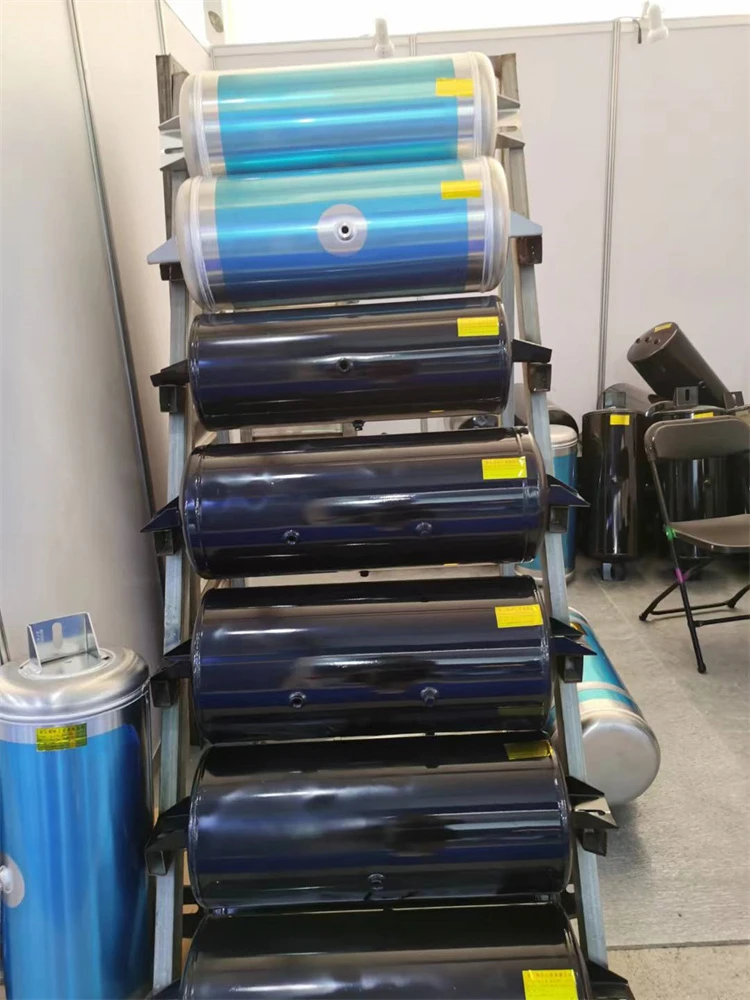
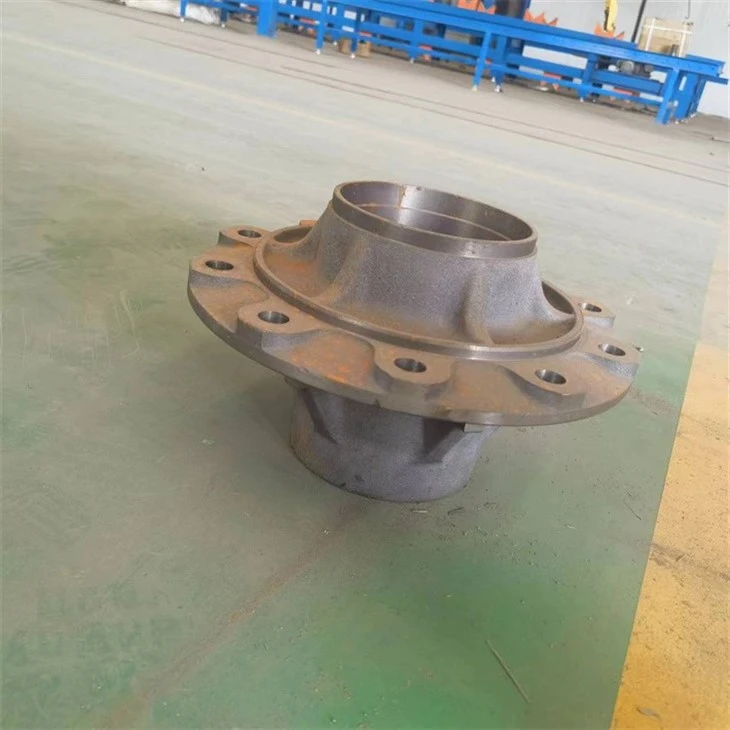
In addition to axle brake pads, we also offer a range of related products that can enhance the performance and safety of your vehicle. These include Semi Trailer 90 Prefabricated Kingpin, Air Brake Tanks, and Axle Axle Head. These products are designed to work together with your vehicle's braking system to provide optimal performance and reliability.
Conclusion
Upgrading your existing axle brake pads can be a great way to improve your vehicle's braking performance, safety, and drivability. By considering the factors discussed in this blog post and following the steps outlined above, you can make an informed decision about whether upgrading your brake pads is right for you. If you have any questions or need further assistance, please don't hesitate to contact us. We're here to help you find the best brake pads for your vehicle and ensure that your braking system is in top condition.
References
- "Brake Pad Basics." Brake & Front End Magazine.
- "How to Choose the Right Brake Pads for Your Vehicle." AutoZone.
- "Upgrading Your Brake Pads: What You Need to Know." Car and Driver.


