

Do external support legs need lubrication? This is a question that many of our customers often ask. As a leading supplier of external support legs, I'm here to provide you with a comprehensive answer based on scientific knowledge and practical experience.
Understanding External Support Legs
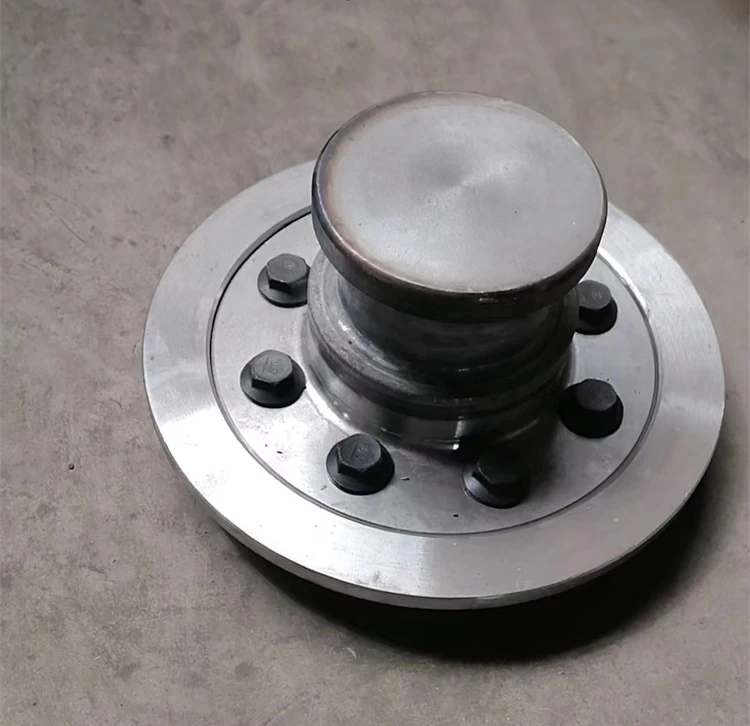
External support legs play a crucial role in various industries, especially in the transportation and construction sectors. They are designed to provide stability and support for heavy - duty equipment, such as semi - trailers. The Semi Trailer 90 Prefabricated Kingpin is often used in conjunction with external support legs to ensure the proper connection and operation of semi - trailers.
External support legs come in different types, including Built - in Support Legs and Built - in Aluminum Legs. Each type has its own characteristics and applications. Built - in support legs are typically made of iron, which offers high strength and durability. They are suitable for heavy - load applications. On the other hand, built - in aluminum legs are lighter in weight, which can help reduce the overall weight of the equipment and improve fuel efficiency.

The Mechanics of External Support Legs
To understand whether external support legs need lubrication, we first need to understand how they work. External support legs usually consist of a telescopic structure that can be extended or retracted to adjust the height. The movement of the telescopic parts involves friction between different components. For example, when the leg is extended or retracted, the inner and outer tubes rub against each other. If there is no proper lubrication, this friction can cause several problems.
Reasons for Lubricating External Support Legs
1. Reducing Friction
Friction is the enemy of any moving parts. When the external support legs are in operation, the friction between the components can lead to wear and tear. Lubrication creates a thin film between the moving parts, reducing the direct contact and thus minimizing friction. This not only extends the lifespan of the support legs but also ensures smooth operation. For instance, if you have a semi - trailer with external support legs, smooth operation is essential for quick and easy setup and breakdown of the trailer.
2. Preventing Corrosion
External support legs are often exposed to various environmental conditions, including moisture, dust, and chemicals. These elements can cause corrosion on the metal surfaces of the support legs. Lubrication acts as a protective barrier, preventing moisture and other corrosive substances from coming into contact with the metal. This is particularly important for built - in support legs made of iron, as iron is more prone to rusting compared to aluminum.
3. Improving Performance
Lubricated external support legs can operate more efficiently. They can be extended and retracted with less effort, which is especially beneficial in situations where time is of the essence. For example, in a busy construction site, workers need to set up and move equipment quickly. Well - lubricated support legs can help achieve this goal.
Types of Lubricants for External Support Legs
There are several types of lubricants that can be used for external support legs:
1. Grease
Grease is a popular choice for lubricating external support legs. It has high viscosity, which means it can stay in place for a long time and provide continuous lubrication. Grease also has good sealing properties, which can prevent dust and dirt from entering the moving parts. However, it may need to be reapplied periodically, especially if the support legs are used frequently.
2. Oil - based Lubricants
Oil - based lubricants are more fluid than grease. They can penetrate into small gaps and provide excellent lubrication for the internal components of the support legs. They are also easier to apply in some cases. However, they may have a shorter lifespan and may require more frequent reapplication.
3. Dry Lubricants
Dry lubricants, such as graphite or molybdenum disulfide, are suitable for situations where there is a need to reduce friction without leaving a messy residue. They are often used in environments where cleanliness is important. However, they may not provide as much protection against corrosion as grease or oil - based lubricants.
How to Lubricate External Support Legs
The process of lubricating external support legs is relatively straightforward:
- Clean the Support Legs: Before applying lubricant, it is important to clean the support legs thoroughly. Use a brush or a cloth to remove any dirt, dust, or old lubricant from the surface. This ensures that the new lubricant can adhere properly to the metal surface.
- Choose the Right Lubricant: Select the appropriate lubricant based on the type of support legs and the operating environment. As mentioned earlier, grease is a good all - around choice, but oil - based lubricants or dry lubricants may be more suitable in certain situations.
- Apply the Lubricant: Apply the lubricant evenly to the moving parts of the support legs. For telescopic support legs, make sure to lubricate the inner and outer tubes. Use a brush or a grease gun to apply the lubricant, depending on the type of lubricant and the design of the support legs.
- Work the Lubricant In: After applying the lubricant, extend and retract the support legs several times to work the lubricant into all the moving parts. This ensures that the lubricant is distributed evenly and provides effective lubrication.
When to Lubricate External Support Legs
The frequency of lubrication depends on several factors, including the usage frequency, the operating environment, and the type of lubricant used. As a general rule of thumb, it is recommended to lubricate external support legs at least once every three months if they are used regularly. However, if the support legs are exposed to harsh environmental conditions, such as in a coastal area where there is a lot of salt in the air, more frequent lubrication may be required.
Conclusion
In conclusion, external support legs do need lubrication. Lubrication is essential for reducing friction, preventing corrosion, and improving performance. By choosing the right lubricant and following the proper lubrication procedures, you can ensure the longevity and efficient operation of your external support legs.
If you are in the market for high - quality external support legs or have any questions about lubrication and maintenance, we are here to help. Our team of experts can provide you with professional advice and support. We look forward to discussing your specific needs and helping you find the best solutions for your equipment. Contact us for procurement and let's start a productive discussion.
References
- Machinery's Handbook, 31st Edition
- Handbook of Lubrication and Tribology, Volume I: Applications and Practice


