

Hey there! As a supplier in the air suspension game, I get asked a ton of questions. One that pops up quite often is, "Does air suspension require a special air line?" Well, let's dig into this topic and find out.
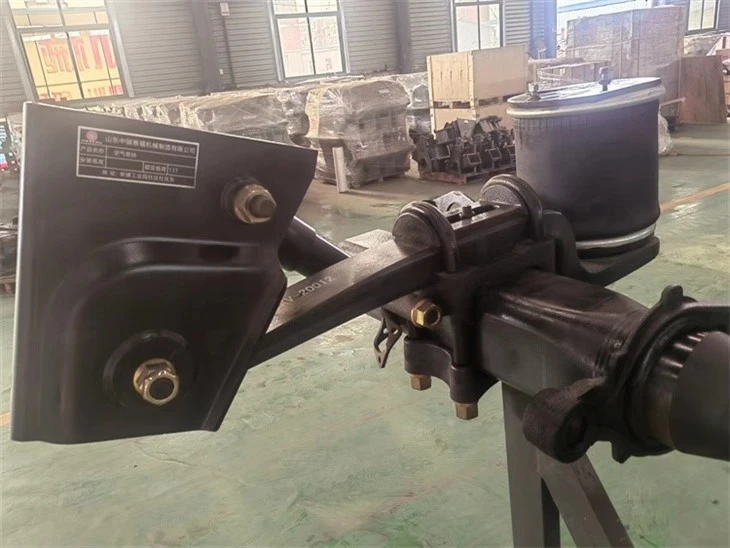
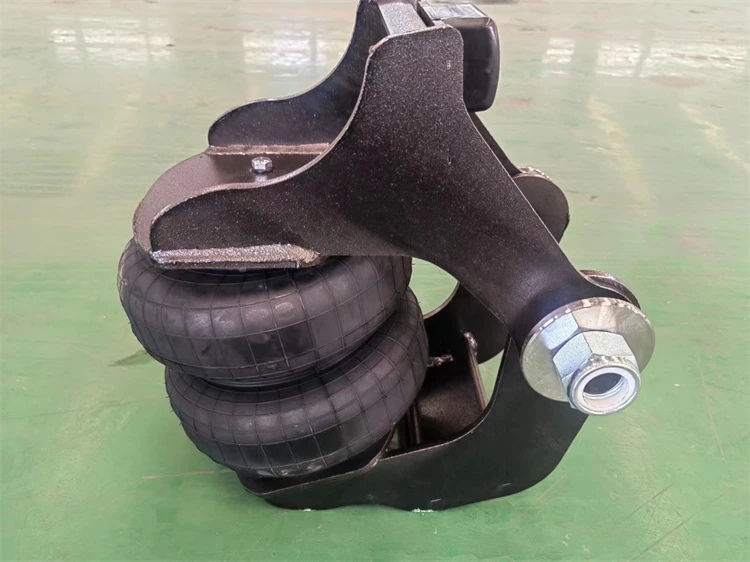
First off, what's air suspension all about? Air suspension is a type of vehicle suspension powered by an electric or engine-driven air pump or compressor. This system replaces traditional steel springs with air springs, which are basically rubber bellows filled with air. It offers a smoother ride, better handling, and the ability to adjust the vehicle's height on the fly.
Now, back to the question of special air lines. In many cases, air suspension does indeed need special air lines. Regular hoses just won't cut it here. Why? Well, air suspension systems operate under specific pressure and temperature conditions, and the air lines need to be able to handle these factors.
Let's talk about pressure. Air suspension systems usually work at pressures ranging from around 100 to 150 psi (pounds per square inch). That's a lot of pressure! Regular hoses might not be able to withstand this kind of force without leaking or even bursting. Special air lines are designed to handle these high pressures safely. They're made from materials that are strong and flexible enough to expand and contract as the air pressure changes, without losing their integrity.
Temperature is another crucial factor. In different environments, the temperature can vary widely. Whether it's the scorching heat of summer or the freezing cold of winter, the air lines need to perform consistently. Special air lines are made from materials that can handle a wide range of temperatures. For example, they won't become brittle in cold weather or soften and lose their shape in hot weather. This ensures that the air suspension system works properly no matter what the outside conditions are.
There are also other aspects to consider. Special air lines are often more resistant to abrasion and chemicals. In a vehicle, there are all sorts of things that could potentially damage the air lines, like sharp edges, road debris, and various fluids. A good quality, special air line will be able to resist these elements and last longer.
Now, let's take a look at some of the different types of air suspension we offer. We have the Heavy Machinery Suspension. This type of air suspension is designed for heavy-duty vehicles, like large trucks and construction equipment. These vehicles need a robust air suspension system that can handle the heavy loads they carry. And of course, they require special air lines that can handle the high pressures and tough operating conditions associated with heavy machinery.
Our Lifting Air Suspension is another great option. This type of air suspension allows you to adjust the height of the vehicle, which can be really useful in different situations. For example, you might want to raise the vehicle when going over rough terrain or lower it for better aerodynamics on the highway. Special air lines are essential for this system to work smoothly and safely.
Then there's the Air Suspension With Guide Arm. This system provides better stability and control for the vehicle. The guide arm helps to keep the wheels in the correct position, and the air suspension ensures a comfortable ride. Again, special air lines are a must for this system to function properly.
So, as you can see, special air lines are a key component of a reliable air suspension system. If you're thinking about getting an air suspension for your vehicle, don't overlook the importance of using the right air lines.
If you're interested in learning more about our air suspension products or have any questions about special air lines, we'd love to hear from you. Whether you're a truck owner, a fleet manager, or someone in the construction industry, we can provide you with the right air suspension solution for your needs. Contact us to start a conversation about your air suspension requirements. We're here to help you make the best choice for your vehicle and get the most out of your air suspension system.
References:
- General knowledge about air suspension systems and their components from industry experience.
- Technical specifications and performance requirements of air suspension systems based on product development and testing.


