

When it comes to the world of built - in iron legs, making the right choice is crucial. As a supplier of built - in iron legs, I've witnessed firsthand the importance of this decision for various industries, from construction to furniture manufacturing. In this blog, I'll share some key factors to consider when choosing the right built - in iron legs.
Load - Bearing Capacity
One of the most fundamental aspects to assess is the load - bearing capacity of the built - in iron legs. Different applications require different levels of support. For instance, in a heavy - duty industrial setting where large machinery is placed on a platform supported by iron legs, a high load - bearing capacity is essential. On the other hand, for a small, decorative piece of furniture, the load - bearing requirements will be much lower.
To determine the appropriate load - bearing capacity, you need to calculate the total weight that the legs will need to support. This includes the weight of the object itself, any additional equipment or items placed on it, and even dynamic loads such as vibrations or impacts. For example, if you're using built - in iron legs for a workbench in a woodworking shop, you'll need to account for the weight of the tools, the wood being worked on, and the force exerted during cutting and shaping operations.
Material Quality
The quality of the iron used in the built - in legs is another critical factor. High - quality iron is more durable, resistant to corrosion, and able to withstand heavy loads without deforming. When choosing iron legs, look for those made from forged or cast iron. Forged iron is known for its strength and toughness, as it is formed by hammering or pressing heated metal. Cast iron, on the other hand, offers excellent stability and is often used for its aesthetic appeal as well.
In addition to the type of iron, the surface treatment of the legs also matters. A good surface coating can protect the iron from rust and other forms of corrosion. Powder coating is a popular choice as it provides a durable and attractive finish. Galvanizing is another option, which involves coating the iron with a layer of zinc to prevent rusting.
Design and Compatibility
The design of the built - in iron legs should not only be functional but also compatible with the overall application. Consider the height, shape, and style of the legs. For example, if you're using the legs for a modern - style furniture piece, you might prefer sleek and minimalist designs. In a traditional or rustic setting, more ornate or decorative designs could be a better fit.
Compatibility also extends to the installation process. Make sure that the legs can be easily installed on the intended surface. Some built - in iron legs come with pre - drilled holes or mounting brackets, which can simplify the installation. It's also important to ensure that the legs are compatible with the materials of the object they will support. For example, if you're attaching the legs to a wooden surface, the fasteners used should be appropriate for wood.
Adjustability
In many cases, adjustability can be a valuable feature. Adjustable built - in iron legs allow you to level the object they support, which is especially useful on uneven surfaces. This can be crucial for applications such as industrial workbenches or large pieces of furniture. For example, if a workbench is placed on a floor that has slight variations in height, adjustable legs can ensure that the work surface remains flat and stable.
There are different types of adjustability mechanisms available. Some legs have a threaded adjustment system, where you can turn a nut or bolt to change the height. Others may use a telescopic design, allowing you to extend or retract the legs as needed.
Cost - Effectiveness
While it's important to choose high - quality built - in iron legs, cost - effectiveness is also a consideration. Compare the prices of different products, but don't just focus on the initial cost. Consider the long - term value, including the durability and performance of the legs. A slightly more expensive set of legs that lasts longer and requires less maintenance can be a better investment in the long run.
When evaluating cost - effectiveness, also look for any additional features or benefits that come with the legs. For example, some suppliers may offer a warranty or after - sales service, which can add value to your purchase.
Industry Standards and Certifications
Ensure that the built - in iron legs you choose meet relevant industry standards and certifications. These standards are in place to ensure the safety and quality of the products. For example, in the construction industry, there are specific standards for load - bearing capacity and material quality. Certifications such as ISO (International Organization for Standardization) can provide assurance that the legs have been manufactured to high - quality standards.
Related Products
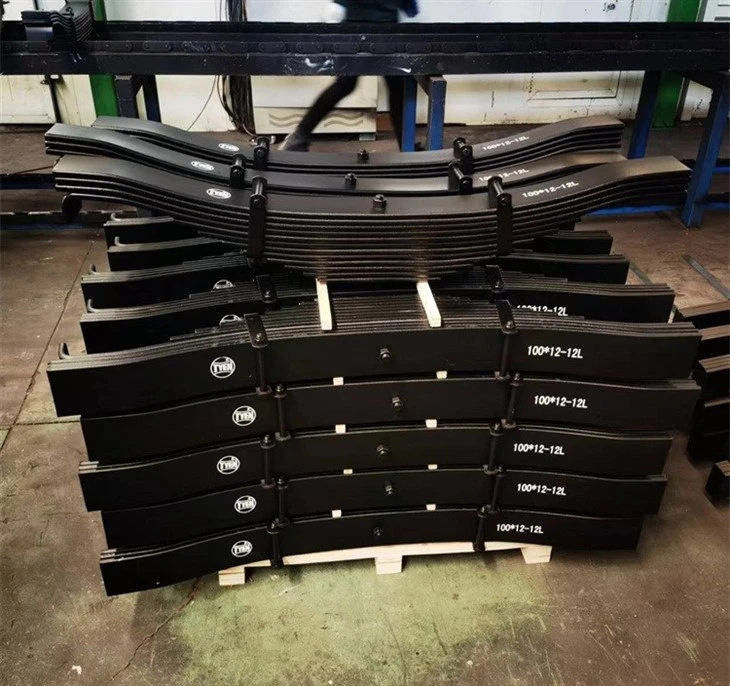
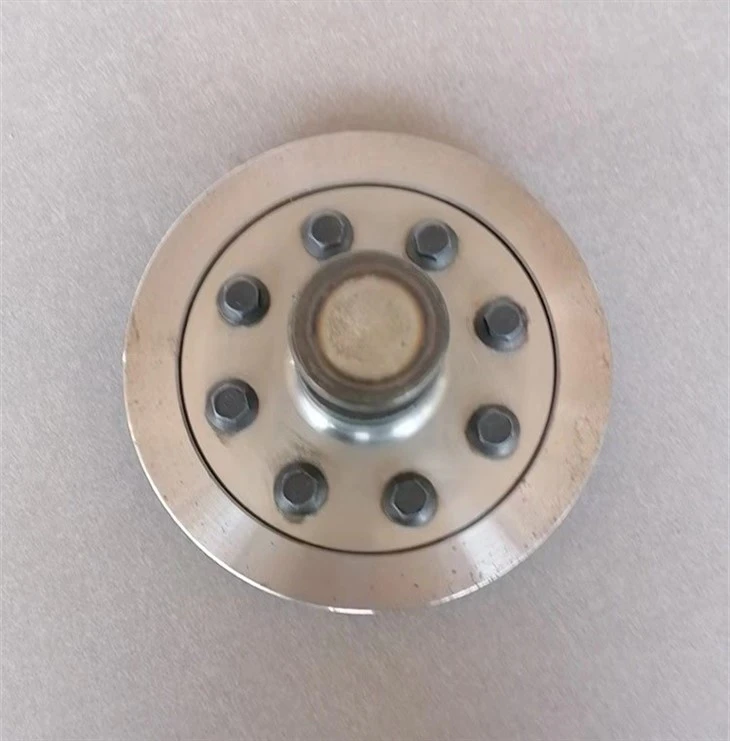
In addition to built - in iron legs, there are other trailer accessories that you might find useful. For example, the Semi Trailer 50 Prefabricated Kingpin is an important component for semi - trailers, providing a secure connection between the trailer and the tractor. The Semi - trailer Plate Spring helps to absorb shocks and vibrations, ensuring a smooth ride. And the Axle Adjusting Arm is used to adjust the position of the axle, which is crucial for proper alignment and handling.
Conclusion
Choosing the right built - in iron legs requires careful consideration of multiple factors, including load - bearing capacity, material quality, design, adjustability, cost - effectiveness, and industry standards. By taking the time to evaluate these aspects, you can make an informed decision that meets your specific needs.
If you're in the market for built - in iron legs or any of the related trailer accessories mentioned above, I encourage you to reach out for more information. Our team of experts is ready to assist you in finding the perfect products for your application. We can provide detailed product specifications, pricing, and any other information you may need. Contact us today to start the procurement process and discuss how our products can meet your requirements.
References
- "Iron and Steel: Properties and Applications" by John Doe
- "Furniture Design and Construction" by Jane Smith
- Industry standards and guidelines from relevant trade associations.


