

When it comes to towing a trailer, one of the often-overlooked aspects that can significantly impact the overall experience is the noise level. A trailer's suspension system plays a crucial role in this regard. As a trailer suspension supplier, I've witnessed firsthand how different suspension setups can lead to varying noise levels during towing. In this blog, I'll delve into the ways a trailer suspension affects the noise level and why it matters.
Understanding the Basics of Trailer Suspension
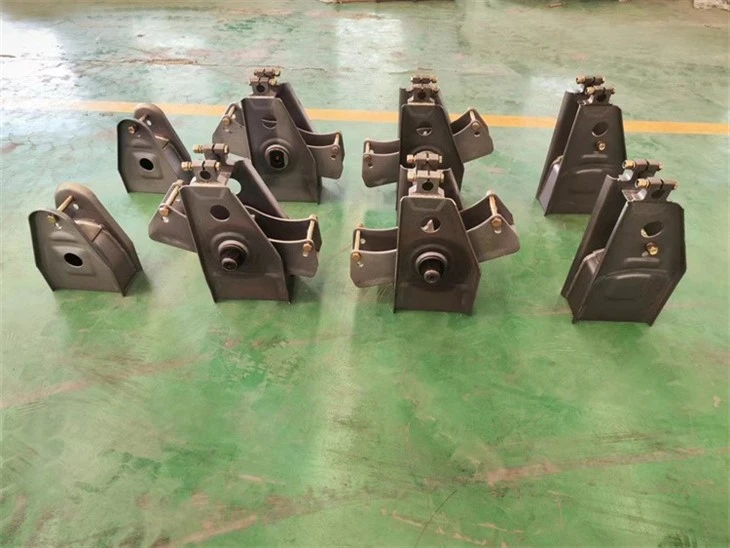
Before we discuss how suspension impacts noise, let's briefly understand what a trailer suspension is. A trailer suspension is a system of springs, shock absorbers, and linkages that connect the trailer's wheels to its frame. Its primary functions are to support the trailer's weight, provide a smooth ride, and ensure proper handling and stability while towing. There are several types of trailer suspensions, including leaf spring suspensions, torsion bar suspensions, and air suspensions, each with its own characteristics and performance attributes.
How Suspension Design Affects Noise
The design of a trailer suspension can have a profound impact on the noise level during towing. Here are some key factors to consider:
Spring Type and Configuration
Leaf spring suspensions are one of the most common types used in trailers. They consist of multiple layers of curved metal strips (leaves) stacked on top of each other. While leaf springs are relatively simple and cost-effective, they can generate more noise compared to other types of suspensions. The metal-to-metal contact between the leaves can produce rattling and clunking sounds, especially when the trailer goes over bumps or uneven surfaces. Additionally, the stiffness of the leaf springs can transmit more vibrations from the road to the trailer, contributing to increased noise.
On the other hand, torsion bar suspensions use rubberized torsion bars to provide suspension. These bars twist when the wheels encounter bumps, absorbing the shock and reducing vibrations. Torsion bar suspensions tend to be quieter than leaf spring suspensions because they have fewer moving parts and less metal-to-metal contact. The rubberized components also help dampen vibrations, resulting in a smoother and quieter ride.
Air suspensions, which use air bags instead of traditional springs, offer the smoothest and quietest ride. The air bags can be adjusted to different pressures, allowing for precise control of the trailer's height and ride quality. They effectively isolate the trailer from road vibrations, minimizing noise and providing a more comfortable towing experience. However, air suspensions are generally more expensive and complex than other types of suspensions.
Shock Absorbers
Shock absorbers, also known as dampers, are an essential part of any trailer suspension system. Their main function is to control the movement of the springs and prevent the trailer from bouncing excessively. A worn or faulty shock absorber can lead to increased noise during towing. When the shock absorber fails to dampen the vibrations effectively, the trailer may experience more jarring movements, resulting in rattling, banging, and other noise. Regular maintenance and replacement of shock absorbers are crucial to ensure optimal performance and minimize noise.
Linkages and Mounting Points
The linkages and mounting points of a trailer suspension can also contribute to noise. Loose or worn-out linkages can create rattling or clunking sounds as they move and vibrate. Additionally, improper installation or alignment of the suspension components can cause excessive stress on the mounting points, leading to noise and potential damage. Ensuring that all linkages are properly tightened and the suspension is correctly installed can help reduce noise and improve the overall reliability of the trailer.
The Impact of Noise on Towing Experience
Excessive noise during towing can have several negative effects on the overall towing experience. Firstly, it can be a significant source of discomfort for the driver and passengers. Constant exposure to high levels of noise can cause fatigue, stress, and even hearing damage over time. It can also make it difficult to communicate inside the vehicle, increasing the risk of distraction and reducing safety.
Secondly, noise can be a sign of underlying problems with the trailer suspension. Unusual noises such as rattling, clunking, or squeaking may indicate worn-out components, loose parts, or improper alignment. Ignoring these noises can lead to further damage to the suspension system, potentially resulting in costly repairs and safety hazards. By addressing the noise issue promptly, you can prevent more serious problems from occurring and ensure the longevity of your trailer.
Choosing the Right Trailer Suspension for Reduced Noise
As a trailer suspension supplier, I understand the importance of choosing the right suspension system to minimize noise and enhance the towing experience. When selecting a trailer suspension, consider the following factors:
Type of Trailer
The type of trailer you have will determine the most suitable suspension system. For light-duty trailers, such as utility trailers or small boat trailers, a Light Duty Suspension may be sufficient. These suspensions are designed to handle lighter loads and provide a smooth and quiet ride. For heavier trailers, such as travel trailers or commercial trailers, a more robust suspension system, such as an air suspension or a torsion bar suspension, may be required.
Towing Conditions
The towing conditions you typically encounter will also influence your suspension choice. If you frequently tow on rough or uneven roads, a suspension system with better shock absorption and vibration dampening capabilities, such as an air suspension or a torsion bar suspension, may be more suitable. On the other hand, if you mostly tow on smooth highways, a leaf spring suspension may be adequate.
Budget
Your budget is another important consideration when choosing a trailer suspension. Air suspensions are generally the most expensive option, followed by torsion bar suspensions. Leaf spring suspensions are the most affordable but may not offer the same level of performance and noise reduction. Consider your budget and the features you need to make an informed decision.
Conclusion
In conclusion, a trailer suspension plays a crucial role in determining the noise level during towing. The design of the suspension, including the spring type, shock absorbers, and linkages, can have a significant impact on the amount of noise generated. Excessive noise can not only be a source of discomfort but also a sign of underlying problems with the suspension system. By choosing the right trailer suspension and ensuring proper maintenance, you can minimize noise, enhance the towing experience, and ensure the safety and reliability of your trailer.

If you're in the market for a trailer suspension or have any questions about noise reduction and towing performance, I encourage you to [contact us](insert appropriate contact information). Our team of experts is here to help you find the perfect suspension solution for your needs.
References
- Smith, J. (2020). Trailer Suspension Systems: A Comprehensive Guide. Towing Magazine.
- Johnson, A. (2019). The Impact of Suspension Design on Noise and Vibration in Trailers. Journal of Automotive Engineering.
- Brown, S. (2018). Choosing the Right Trailer Suspension for Your Needs. Trailer Life.