
Hey there, folks! As a supplier of trailer suspensions, I'm super stoked to dive into how a trailer suspension works in a fifth - wheel trailer. It's a topic that's not only fascinating but also crucial for anyone who's into towing these big rigs.
First off, let's talk about what a fifth - wheel trailer is. It's a type of RV or trailer that attaches to a special hitch in the bed of a pickup truck. This setup gives it better stability and maneuverability compared to other trailers. And that's where the trailer suspension comes in. It plays a vital role in making the ride smooth and safe.
The main job of a trailer suspension is to absorb the shocks and vibrations that come from the road. When you're driving on a bumpy highway or a rough dirt road, the suspension keeps the trailer from bouncing around too much. This is important for a few reasons. For one, it protects the contents of the trailer. If you're hauling fragile items, a good suspension can prevent them from getting damaged. And it also makes the ride more comfortable for anyone inside the trailer.
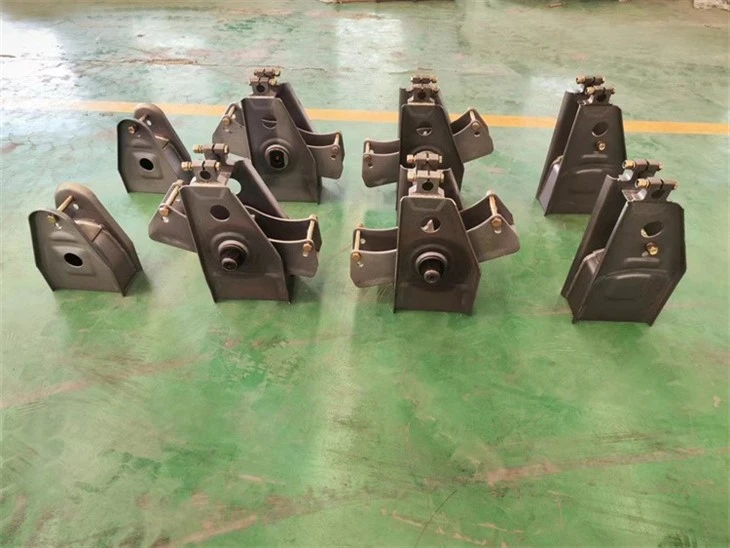

There are different types of trailer suspensions, but in a fifth - wheel trailer, you'll often find leaf spring suspensions or torsion axle suspensions. Let's start with leaf spring suspensions.
Leaf spring suspensions are one of the oldest and most common types. They consist of multiple layers of metal springs, called leaves, stacked on top of each other. These leaves are attached to the axle and the frame of the trailer. When the trailer hits a bump, the leaves flex, absorbing the shock. It's like a natural shock absorber.
The great thing about leaf spring suspensions is that they're relatively simple and durable. They can handle heavy loads, which is perfect for fifth - wheel trailers that can be quite large and heavy. However, they do have some drawbacks. They can be a bit noisy, and they may not provide the smoothest ride compared to other types of suspensions.
Now, let's move on to torsion axle suspensions. These are a bit more modern and high - tech. A torsion axle suspension uses rubber cords or cartridges inside a tube. When the wheel hits a bump, the axle twists, and the rubber inside absorbs the shock.
Torsion axle suspensions have a few advantages over leaf spring suspensions. They're quieter, which is a big plus if you're looking for a more peaceful ride. They also provide a smoother ride because they can better adapt to different road conditions. And they're maintenance - free, which means you don't have to worry about greasing or adjusting them as often.
But how does the suspension actually connect to the rest of the fifth - wheel trailer? Well, it's all about the frame. The suspension is attached to the trailer frame, which is the backbone of the whole structure. The frame distributes the weight of the trailer evenly across the suspension and the wheels.
When you're towing a fifth - wheel trailer, the weight distribution is crucial. If the weight is not balanced properly, it can put extra stress on the suspension and cause uneven wear. This can lead to problems down the road, like premature suspension failure or poor handling.
Another important aspect is the alignment of the suspension. Just like your car, the wheels of a fifth - wheel trailer need to be properly aligned. If the alignment is off, the trailer can pull to one side, which makes it harder to tow and can also cause uneven tire wear.
Now, let's talk about the role of the fifth - wheel hitch in all of this. The hitch is what connects the trailer to the truck. It needs to be properly installed and adjusted to work in harmony with the suspension. A well - adjusted hitch helps to transfer the weight of the trailer to the truck in a way that doesn't overload the suspension.
When you're out on the road, the trailer suspension is constantly working. It has to deal with all sorts of road conditions, from potholes to speed bumps. That's why it's important to choose a high - quality suspension. As a trailer suspension supplier, we offer a range of options to suit different needs.
For those who are looking for a more lightweight option, we have the Light Duty Suspension. This is great for smaller fifth - wheel trailers or those who don't need to carry extremely heavy loads. It provides a good balance between performance and cost.
If you have a larger and heavier fifth - wheel trailer, we have heavy - duty suspensions that can handle the extra weight. These suspensions are built to last and can withstand the rigors of long - distance towing.
Maintaining your trailer suspension is also key. Regular inspections can help you catch any problems early on. You should check the springs, axles, and other components for signs of wear or damage. And make sure to follow the manufacturer's recommendations for maintenance.
In conclusion, a trailer suspension in a fifth - wheel trailer is a complex but essential part of the whole towing setup. It affects everything from the comfort of your ride to the safety of your cargo. Whether you choose a leaf spring suspension or a torsion axle suspension, make sure it's the right fit for your trailer.
If you're in the market for a new trailer suspension or just have some questions, don't hesitate to reach out. We're here to help you find the perfect solution for your fifth - wheel trailer. Whether you're a weekend warrior or a full - time RVer, a good suspension can make all the difference in your towing experience.
References:
- Trailer Industry Handbook: This comprehensive guide provides in - depth information on trailer components, including suspensions.
- RV Magazine Articles: Various articles in RV magazines have covered the topic of trailer suspensions and their importance in fifth - wheel trailers.


