
As an axle supplier, I've witnessed firsthand the transformative impact of Electronic Stability Control (ESC) systems on axle operation. In this blog, I'll delve into how ESC systems interact with axles, the benefits they bring, and the challenges they present.
Understanding the Basics of ESC Systems
ESC systems are designed to enhance vehicle stability and safety. They work by continuously monitoring various vehicle parameters, such as wheel speed, steering angle, and lateral acceleration. When the system detects a potential loss of control, it automatically applies the brakes to individual wheels and adjusts engine power to help the driver maintain control of the vehicle.
The core of an ESC system consists of several key components: sensors, an electronic control unit (ECU), and hydraulic modulators. The sensors collect data about the vehicle's motion, which is then sent to the ECU. The ECU processes this data and determines if corrective action is needed. If so, it sends signals to the hydraulic modulators, which adjust the brake pressure at each wheel.
How ESC Systems Affect Axle Operation
1. Brake Force Distribution
One of the primary ways an ESC system affects axle operation is through its ability to distribute brake force more effectively. Traditional braking systems apply the same amount of brake force to all wheels, regardless of the driving conditions. However, in a real - world scenario, the amount of traction available at each wheel can vary significantly.
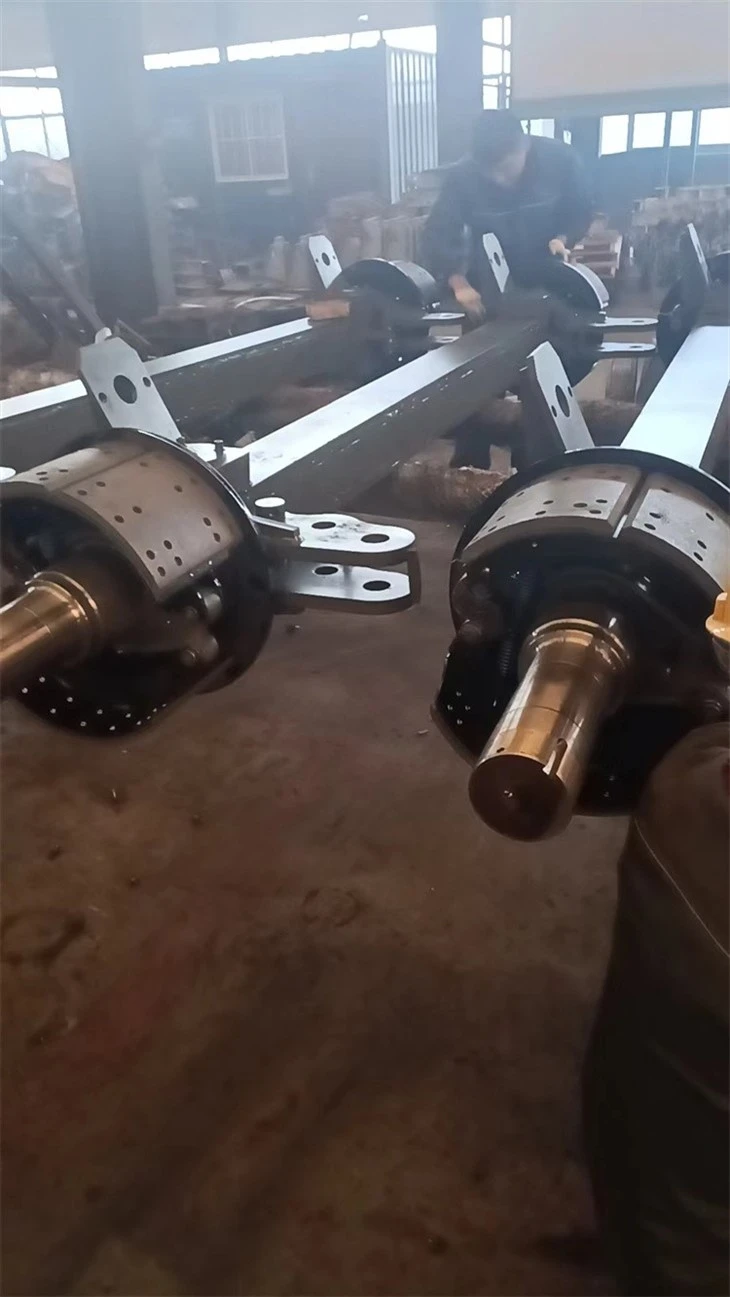

ESC systems can detect these variations and adjust the brake force applied to each wheel accordingly. For example, if the system detects that the rear wheels are starting to lose traction during hard braking, it can reduce the brake force on the rear wheels and increase it on the front wheels. This not only helps to prevent skidding but also ensures that the axles are not subjected to excessive stress.
2. Torque Vectoring
Another important aspect of ESC systems is torque vectoring. Torque vectoring allows the system to control the amount of torque delivered to each wheel independently. This is particularly useful in cornering situations.
When a vehicle is turning, the outer wheels need to travel a greater distance than the inner wheels. Without proper torque distribution, the vehicle may understeer or oversteer, which can lead to a loss of control. ESC systems can detect the steering angle and the vehicle's lateral acceleration and adjust the torque delivered to each wheel to ensure that the vehicle follows the intended path.
This torque - vectoring function has a direct impact on the axles. The axles are responsible for transmitting the torque from the engine to the wheels. By adjusting the torque at each wheel, the ESC system can reduce the stress on the axles during cornering, which can improve the overall durability of the axles.
3. Traction Control
Traction control is an integral part of ESC systems. Traction control systems monitor the wheel speed and prevent the wheels from spinning when the driver accelerates. When a wheel starts to spin, the ESC system can reduce the engine power or apply the brakes to that wheel.
This function is crucial for axles, especially in off - road or slippery conditions. If a wheel spins freely, it can cause excessive wear on the axle and the drivetrain components. By preventing wheel spin, ESC systems help to protect the axles and ensure that they operate smoothly.
Benefits of ESC Systems for Axle Suppliers
1. Improved Product Durability
As mentioned earlier, ESC systems can reduce the stress on axles by optimizing brake force distribution, torque vectoring, and traction control. This leads to less wear and tear on the axles, which in turn improves their durability. As an axle supplier, this means that our products are less likely to fail prematurely, which can enhance our reputation in the market.
2. Enhanced Safety Features
ESC systems are widely recognized as a significant safety feature in modern vehicles. By integrating ESC - compatible axles into our product line, we can offer our customers a safer and more reliable product. This can give us a competitive edge in the market, as safety is a top priority for many vehicle manufacturers and consumers.
3. Compatibility with Advanced Vehicle Technologies
The automotive industry is constantly evolving, with the increasing adoption of advanced technologies such as autonomous driving and electric vehicles. ESC systems are an essential part of these advanced vehicle technologies. By developing axles that are compatible with ESC systems, we can ensure that our products remain relevant in the future market.
Challenges and Considerations
1. Integration Complexity
Integrating ESC systems with axles is not without its challenges. The ESC system needs to communicate effectively with the axle components, such as the brakes and the differential. This requires precise calibration and coordination between the different systems.
As an axle supplier, we need to work closely with the vehicle manufacturers and the ESC system suppliers to ensure seamless integration. This may involve additional testing and development efforts, which can increase the cost and time to market.
2. Cost Implications
ESC systems add an additional layer of complexity to the vehicle's braking and drivetrain systems. This complexity often translates into higher costs. As an axle supplier, we need to balance the cost of integrating ESC - compatible features into our axles with the market demand.
While the benefits of ESC systems are clear, some customers may be reluctant to pay the extra cost. Therefore, we need to find ways to optimize the design and manufacturing process to reduce the cost without compromising on the quality and performance of our axles.
Our Product Offerings
At our company, we offer a wide range of axles that are designed to be compatible with ESC systems. Our High Quality Concave Axle is known for its excellent strength - to - weight ratio and is suitable for a variety of applications. The concave design allows for better clearance and improved ground - hugging capabilities, which is beneficial in off - road and high - performance driving scenarios.
Our High Quality German Axle is another popular choice. It is manufactured using the latest German engineering techniques and high - quality materials, ensuring superior durability and performance. These axles are well - suited for heavy - duty vehicles and commercial applications.
For those looking for enhanced steering capabilities, our Hydraulic Steering Axle is an ideal option. The hydraulic steering system provides precise control and is compatible with ESC systems, allowing for better vehicle stability and maneuverability.
Conclusion
In conclusion, ESC systems have a profound impact on axle operation. They improve vehicle stability, enhance safety, and reduce the stress on axles. As an axle supplier, we recognize the importance of integrating ESC - compatible features into our products.
While there are challenges associated with the integration of ESC systems, the benefits far outweigh the costs. By offering high - quality axles that are compatible with ESC systems, we can meet the evolving needs of the automotive industry and provide our customers with a safer and more reliable product.
If you are interested in our axle products or have any questions about how our axles work with ESC systems, we encourage you to contact us for a detailed discussion. We are committed to providing the best solutions for your axle needs and look forward to partnering with you in your next project.
References
- Bosch, "Electronic Stability Program (ESP®): How it Works", Bosch Automotive Aftermarket.
- SAE International, "Vehicle Dynamics and Control", SAE Handbook.
- Society of Automotive Engineers, "ESC System Design and Implementation", SAE Technical Papers.


