

German automotive engineering is renowned worldwide for its precision, reliability, and performance. As a supplier of German style suspension, I've witnessed firsthand how these advanced suspension systems interact with a car's braking system to enhance overall vehicle safety and performance. In this blog post, I'll delve into the intricate relationship between German style suspension and a car's braking system, exploring the science behind their interaction and the benefits they offer.
The Basics of German Style Suspension
German style suspension is characterized by its robust design, advanced technology, and superior engineering. These suspension systems are typically designed to provide a smooth and comfortable ride while maintaining excellent handling and stability. They often feature components such as heavy-duty springs, shock absorbers, and control arms that are specifically engineered to withstand the rigors of high-performance driving.
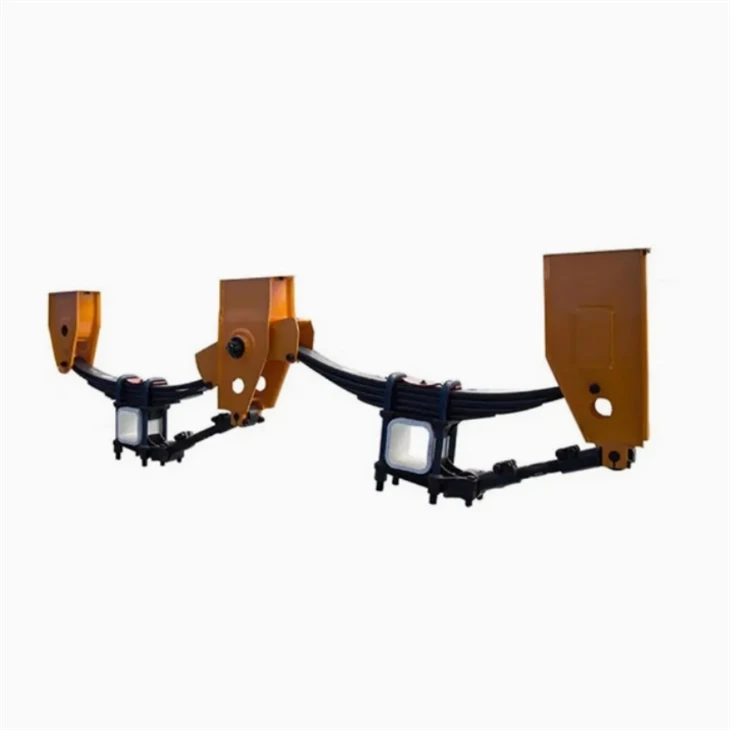
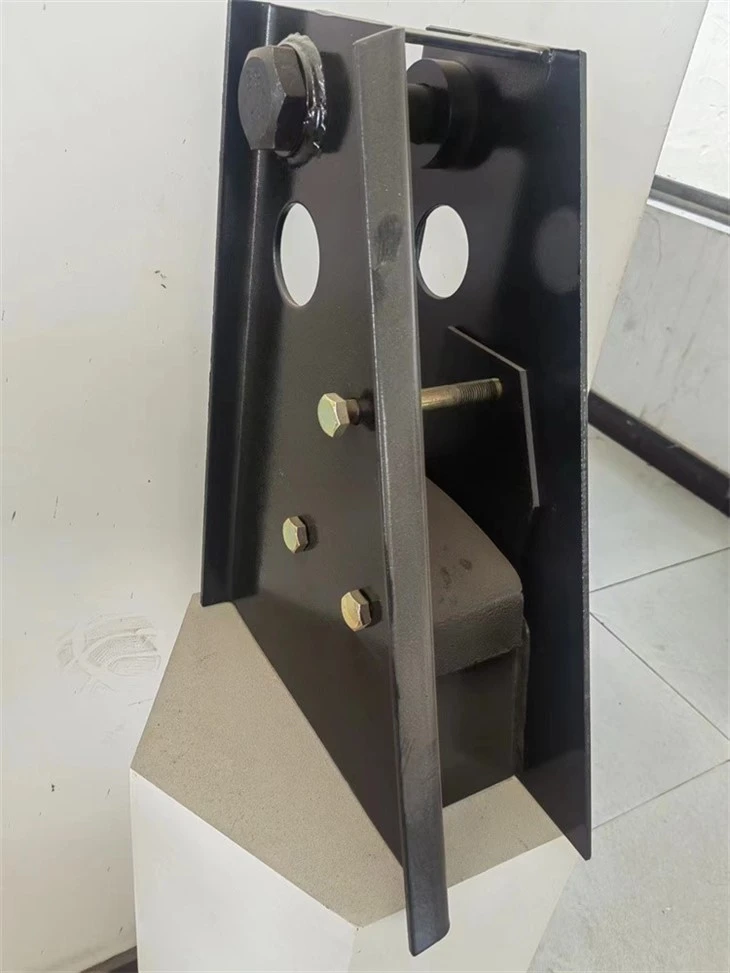
One of the key features of German style suspension is its ability to adapt to different road conditions. Whether you're driving on a smooth highway or a rough off-road trail, the suspension system can adjust its settings to provide optimal performance. This adaptability is achieved through the use of advanced sensors and electronic control units (ECUs) that monitor the vehicle's speed, acceleration, and other parameters in real-time.
The Role of Suspension in Braking
The suspension system plays a crucial role in a car's braking performance. When you apply the brakes, the weight of the vehicle shifts forward, causing the front suspension to compress and the rear suspension to extend. This weight transfer affects the distribution of braking force between the front and rear wheels, which can have a significant impact on the vehicle's stopping distance and stability.
A well-designed suspension system can help to minimize the effects of weight transfer during braking, ensuring that the braking force is distributed evenly between the front and rear wheels. This not only improves the vehicle's stopping distance but also enhances its stability and control, reducing the risk of skidding or losing control during emergency braking situations.
How German Style Suspension Enhances Braking Performance
German style suspension is designed to work in harmony with a car's braking system to provide optimal performance. Here are some of the ways in which German style suspension enhances braking performance:
- Improved Weight Distribution: German style suspension systems are engineered to provide a more balanced weight distribution between the front and rear wheels. This helps to minimize the effects of weight transfer during braking, ensuring that the braking force is distributed evenly between the front and rear wheels. As a result, the vehicle can stop more quickly and safely, even under heavy braking conditions.
- Enhanced Stability and Control: German style suspension systems are designed to provide excellent stability and control, even during high-speed driving and emergency braking situations. The advanced shock absorbers and control arms help to keep the wheels in contact with the road surface, reducing the risk of skidding or losing control. This not only improves the vehicle's braking performance but also enhances its overall safety and handling.
- Reduced Brake Fade: Brake fade is a common problem that occurs when the brakes overheat, causing a decrease in braking performance. German style suspension systems are designed to help reduce brake fade by providing better ventilation and cooling for the brakes. The advanced suspension components help to dissipate heat more effectively, ensuring that the brakes remain cool and perform optimally even under heavy use.
- Improved Tire Contact: German style suspension systems are designed to provide better tire contact with the road surface, which helps to improve the vehicle's traction and braking performance. The advanced suspension components help to keep the tires in contact with the road surface, even during cornering and braking, reducing the risk of skidding or losing control.
The Importance of Compatibility
It's important to note that the performance of a car's braking system is not only dependent on the quality of the suspension system but also on the compatibility between the suspension and braking components. A well-designed suspension system must be paired with a compatible braking system to ensure optimal performance.
When selecting a German style suspension system for your vehicle, it's important to choose a system that is specifically designed to work with your car's make and model. This will ensure that the suspension system is compatible with your car's braking system and other components, providing optimal performance and safety.
Conclusion
In conclusion, German style suspension is a crucial component of a car's braking system. A well-designed suspension system can help to enhance the vehicle's braking performance, stability, and control, reducing the risk of skidding or losing control during emergency braking situations. As a supplier of German style suspension, I'm committed to providing high-quality suspension systems that are designed to work in harmony with a car's braking system to provide optimal performance and safety.
If you're interested in learning more about German style suspension or would like to discuss your specific needs and requirements, please don't hesitate to contact us. Our team of experts is available to answer your questions and provide you with the information and support you need to make an informed decision.
References
- Bosch, R. (2007). Automotive Handbook. Stuttgart: Robert Bosch GmbH.
- Gillespie, T. D. (1992). Fundamentals of Vehicle Dynamics. Warrendale, PA: Society of Automotive Engineers.
- Milliken, W. F., & Milliken, D. L. (1995). Race Car Vehicle Dynamics. Warrendale, PA: Society of Automotive Engineers.


