

How often should air brake tanks be inspected?
As a leading supplier of Air Brake Tanks, I am frequently asked about the ideal inspection frequency for air brake tanks. This is a critical question because the safety and efficiency of any vehicle or equipment relying on air brakes significantly depend on the proper maintenance of these tanks. In this blog, I will delve into the factors that influence inspection intervals and provide some general guidelines for ensuring optimal performance.
Understanding the Importance of Air Brake Tanks
Air brake tanks play a crucial role in the braking system of trucks, buses, and other heavy - duty vehicles. They store compressed air that is used to activate the brakes when needed. Any malfunction or degradation in the air brake tanks can lead to reduced braking power, longer stopping distances, and potentially dangerous situations on the road.
Moisture and contaminants can accumulate inside the tanks over time. Moisture can cause corrosion, which weakens the tank structure and can lead to leaks. Contaminants, such as dirt and oil, can clog valves and other components of the air brake system, impairing its functionality. Regular inspections are essential to detect these issues early and prevent further damage.
Factors Affecting Inspection Frequency
-
Usage Intensity
- Vehicles that are in constant use, such as long - haul trucks, are exposed to more stress and wear on their air brake systems. The continuous filling and emptying of air brake tanks can cause accelerated wear of internal components. For these high - usage vehicles, more frequent inspections are necessary. In general, long - haul trucks may require inspections every 3 to 6 months.
- On the other hand, vehicles with limited usage, like some specialized industrial equipment that is only used occasionally, may not need inspections as often. These vehicles might be inspected annually or after a certain number of operating hours.
-
Operating Conditions
- Harsh environments can have a significant impact on the condition of air brake tanks. Vehicles operating in areas with high humidity, saltwater exposure (near coastal regions), or dusty environments are more prone to corrosion and contamination. In these conditions, inspections should be carried out more frequently, perhaps every 2 - 3 months.
- For vehicles operating in more favorable conditions, such as in a clean, dry indoor facility, the inspection interval can be extended. However, it is still important to conduct regular checks to ensure the integrity of the air brake system.
-
Age and Maintenance History
- Older air brake tanks are more likely to have wear and tear issues. As the tank ages, the risk of corrosion and mechanical failures increases. Tanks that are more than 5 years old may require more frequent inspections, such as every 3 - 4 months.
- If a vehicle's air brake system has a history of problems, such as previous leaks or component failures, it is advisable to conduct inspections more often. This can help catch potential issues before they turn into major problems.
General Inspection Intervals
Based on industry standards and best practices, here are some general guidelines for air brake tank inspections:
- Light - duty and occasional use vehicles: For vehicles with light - duty usage, such as small delivery trucks that are used only a few days a week, an annual inspection is usually sufficient. This allows for a thorough check of the tank's structure, internal components, and the overall air brake system.
- Medium - duty vehicles: Medium - duty vehicles, like city buses and some medium - sized trucks, should have their air brake tanks inspected at least every 6 months. These vehicles typically have more usage than light - duty vehicles, so more frequent inspections are needed to ensure safety.
- Heavy - duty and high - usage vehicles: Long - haul trucks, large trailers, and other heavy - duty vehicles that are in constant operation should have their air brake tanks inspected every 3 months. This frequent inspection schedule helps to identify and address any issues promptly, reducing the risk of brake failures on the road.
What to Look for During Inspections
When inspecting air brake tanks, several key aspects should be examined:

-
External Inspection
- Check for signs of corrosion, dents, or other physical damage on the outside of the tank. Corrosion can weaken the tank's structure, and large dents may affect its integrity.
- Inspect the fittings and connections for tightness. Loose connections can lead to air leaks, which reduce the effectiveness of the air brake system.
-
Internal Inspection
- Drain the tank to remove any accumulated moisture and contaminants. The presence of excessive moisture or large amounts of contaminants may indicate a problem with the air dryer or other components of the air supply system.
- Look for signs of corrosion or rust inside the tank. If significant corrosion is found, the tank may need to be repaired or replaced.
-
Valve and Component Inspection
- Test the safety valve to ensure it is functioning properly. The safety valve is designed to release excess pressure to prevent tank over - pressurization.
- Check the drain valve and other valves in the air brake system for proper operation. Malfunctioning valves can lead to issues such as improper air pressure regulation.
Benefits of Regular Inspections
Regular inspections of air brake tanks offer several significant benefits:
- Safety
- The most important benefit is enhanced safety. By detecting and addressing potential issues early, the risk of brake failures on the road is greatly reduced. This protects the driver, passengers, and other road users.
- Cost Savings
- Early detection of problems can prevent more expensive repairs in the long run. For example, fixing a small leak or corroded area in an air brake tank is much less costly than replacing the entire tank or dealing with a major brake system failure.
- Compliance
- Many regulatory bodies have specific requirements for the maintenance and inspection of air brake systems. Regular inspections ensure that vehicles comply with these regulations, avoiding potential fines and legal issues.
Other Related Trailer Accessories
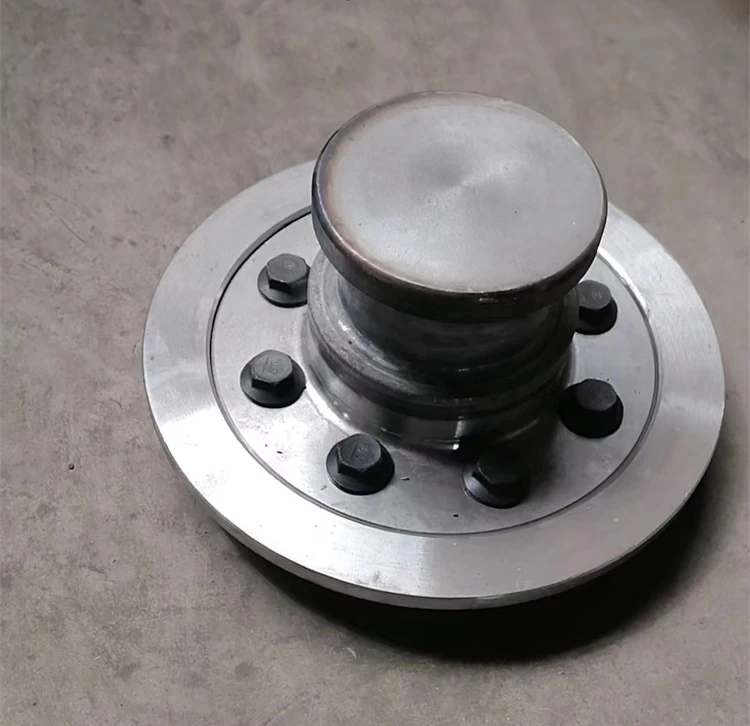
In addition to air brake tanks, we also supply other high - quality trailer accessories such as Semi Trailer 90 Prefabricated Kingpin and Built in Support Legs. These accessories are essential for the proper functioning and safety of trailers. Just like air brake tanks, they also require regular inspection and maintenance to ensure optimal performance.
Conclusion
In conclusion, the frequency of air brake tank inspections depends on various factors such as usage intensity, operating conditions, and the age of the tank. By following the general guidelines provided and conducting thorough inspections, vehicle owners and operators can ensure the safety and reliability of their air brake systems.
If you are interested in purchasing high - quality air brake tanks or other trailer accessories, or if you have any questions about maintenance and inspection, please feel free to contact us. Our team of experts is ready to assist you with all your needs and to provide you with the best products on the market.
References
- National Highway Traffic Safety Administration (NHTSA) guidelines on commercial vehicle safety.
- American Trucking Associations (ATA) recommended maintenance practices for air brake systems.
- Industry standards and best practices from leading manufacturers of air brake components.