

Hey there! As a semi-trailer supplier, I've seen my fair share of used semi-trailers. Evaluating the condition of a used semi-trailer is super important, whether you're looking to buy one or just selling off an old one from your inventory. In this blog, I'll share some tips on how you can accurately assess the condition of a used semi-trailer.
1. Exterior Inspection
First things first, take a good look at the trailer's exterior. Start with the frame. Walk around the trailer and check for any signs of rust, cracks, or dents. Rust might not seem like a big deal at first, but it can weaken the structure of the frame over time. Look for areas where the paint is peeling or bubbling, as these are often early signs of rust. If you see any large cracks on the frame, it's a major red flag. These cracks can compromise the integrity of the trailer and might lead to serious problems down the road.
Next, check the wheels and tires. The tires are the only part of the trailer that touches the road, so they're crucial. Look at the tread depth. You can use a tread depth gauge, which you can buy at any auto parts store. If the tread depth is less than 4/32 of an inch, the tires will need to be replaced soon. Also, check for any cuts, bulges, or uneven wear on the tires. Uneven wear can indicate problems with the wheel alignment or suspension. And don't forget to check the wheel hubs for any signs of leaks or damage. A leaking wheel hub can lead to bearing failure, which is a expensive repair.
The lights are also an important part of the exterior inspection. Make sure all the lights - brake lights, turn signals, running lights, and reverse lights - are working properly. A simple way to do this is to have someone help you by standing outside the trailer while you turn on each light. If any of the lights are not working, it could be a simple bulb replacement or a more serious wiring issue.
2. Interior Examination
Once you're done with the exterior, it's time to take a look inside the trailer. If it's a dry van or reefer trailer, check the walls and floor for any signs of damage. Look for holes, dents, or signs of water damage. Water damage can cause the walls and floor to rot and weaken over time. If you see any dark spots or a musty smell, it could be a sign of water infiltration.
For flatbed trailers, check the decking. The decking should be in good condition, without any major splits or rot. If the decking is made of wood, look for signs of termite damage. And if it's a aluminum or steel deck, check for any signs of corrosion or rust.
Inspect the doors and hinges. They should open and close smoothly without any resistance. If there's a lot of play or if the doors don't seal properly, it could lead to problems with keeping the cargo secure and protected.
3. Suspension and Brake System
The suspension and brake system are two of the most critical components of a semi-trailer. Start with the suspension. Look for any signs of leaks in the airbags or shocks. If you notice any air leaks, it could mean that the airbags need to be replaced. Also, check the springs for any signs of wear or damage. A broken spring can cause the trailer to ride unevenly and can put extra stress on other components.
When it comes to the brakes, check the brake pads or shoes for wear. If they're worn down to less than 1/4 of an inch, they'll need to be replaced. Also, look for any signs of brake fluid leaks. Leaking brake fluid can lead to reduced braking performance, which is extremely dangerous. Have someone help you by applying the brakes while you watch the brake drums or rotors. You should see the brakes engaging evenly on all wheels. If you notice any pulling to one side or if the brakes seem spongy, it could indicate a problem with the brake system.
4. Check the Documentation
Don't forget to ask for the trailer's maintenance records and inspection reports. A well-maintained trailer will usually have a detailed history of all the maintenance work that has been done. This can give you a good idea of how well the previous owner took care of the trailer. Look for regular oil changes, tire rotations, and brake inspections.
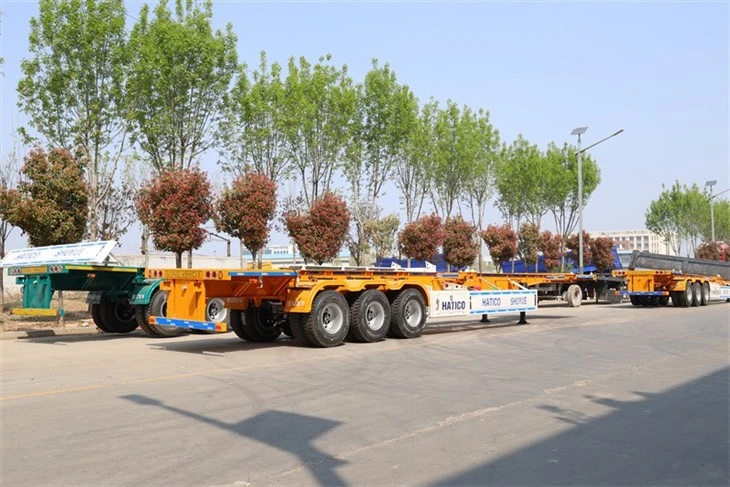

Also, check the trailer's title and registration. Make sure there are no liens or outstanding debts on the trailer. You can do a title search through your local Department of Motor Vehicles (DMV) to get this information.
5. Consider a Professional Inspection
If you're still not sure about the condition of the used semi-trailer, or if you're making a big investment, it's a good idea to hire a professional inspector. A professional inspector has the knowledge and experience to spot problems that you might miss. They can perform a more in-depth inspection of the trailer, including checking the engine (if it's a self-propelled trailer) and testing the electrical and hydraulic systems.
When choosing a professional inspector, make sure they're certified and have a good reputation. You can ask for recommendations from other semi-trailer owners or your local trucking association.
Conclusion
Evaluating the condition of a used semi-trailer isn't always easy, but by following these steps, you can make a more informed decision. Whether you're in the market for a used Skeleton Transport Semi-trailer or any other type of trailer, taking the time to thoroughly inspect it can save you a lot of headaches and money in the long run.
If you're interested in purchasing a semi-trailer, we're here to help! We offer a wide range of high-quality semi-trailers at competitive prices. Don't hesitate to reach out to us for more information or to start the procurement negotiation process. We're looking forward to working with you!
References
- "Commercial Vehicle Inspection Handbook" by National Highway Traffic Safety Administration
- "Trucking Industry Maintenance Best Practices" by American Trucking Associations


