

As a supplier of German equalizing beams, I understand the importance of proper maintenance to ensure the optimal performance and longevity of these critical components. German equalizing beams are widely used in various heavy - duty applications, especially in trailer suspensions. In this blog, I will share some essential tips on how to maintain a German equalizing beam.
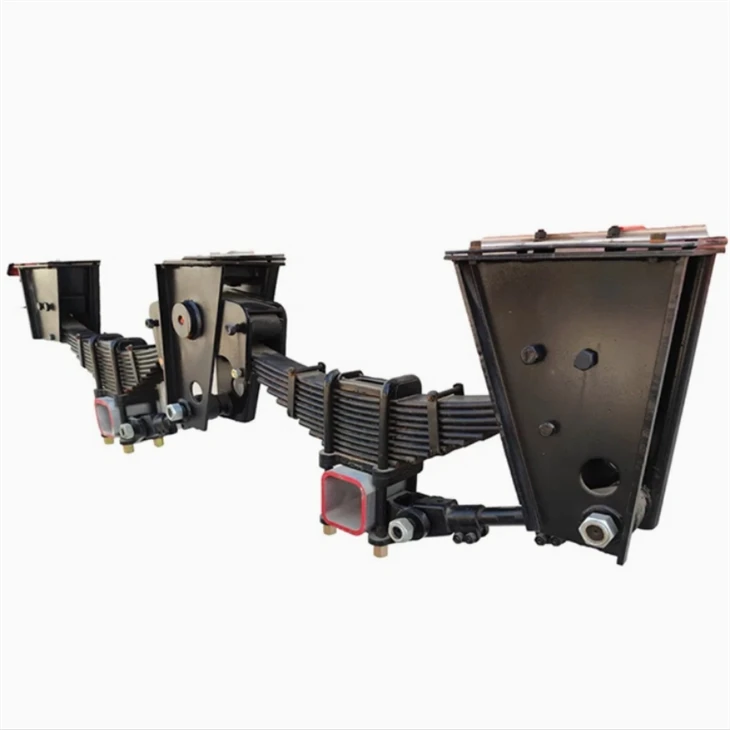
Regular Inspection
The first step in maintaining a German equalizing beam is regular inspection. Visual inspections should be carried out frequently, ideally before and after each long - distance trip or at least once a month for vehicles in regular use.
- Check for Physical Damage: Look for any signs of cracks, dents, or deformations on the equalizing beam. Cracks can significantly weaken the structure and may lead to catastrophic failure if not addressed promptly. Even small dents can cause stress concentrations, which over time can develop into larger problems. If you notice any physical damage, it is crucial to replace the equalizing beam immediately.
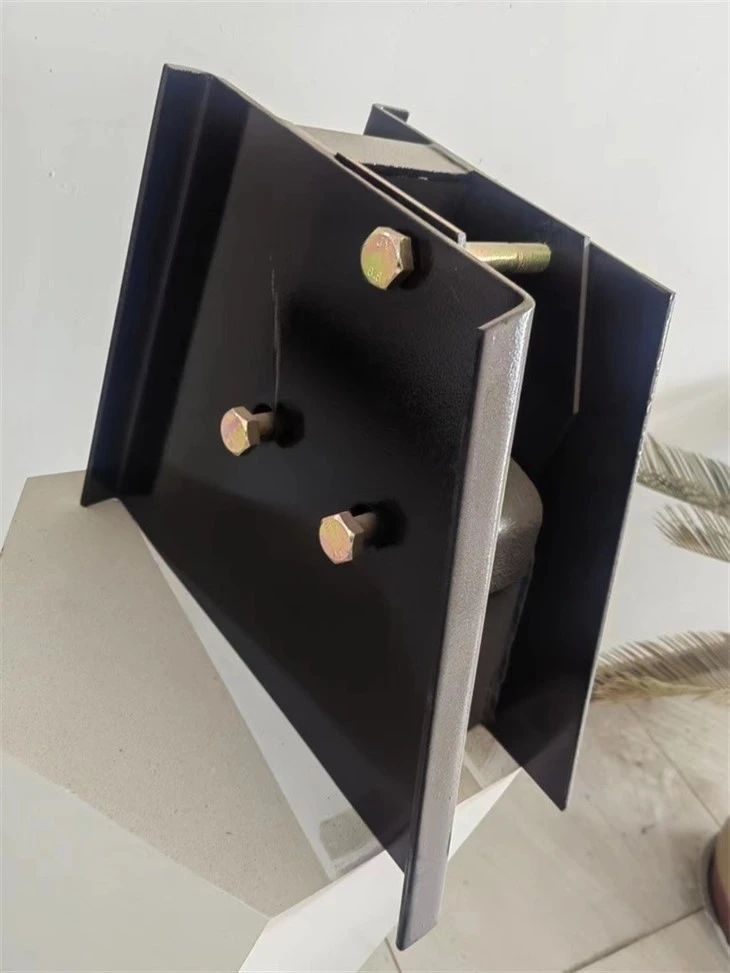
- Examine the Mounting Points: The mounting points of the equalizing beam are subject to high stress. Check for loose bolts, nuts, or any signs of wear at the mounting locations. Loose mounting can cause the equalizing beam to shift during operation, leading to uneven weight distribution and potential damage to other suspension components. Tighten any loose fasteners using the appropriate torque specifications. You can refer to the manufacturer's guidelines for the correct torque values.
Lubrication
Proper lubrication is vital for the smooth operation of a German equalizing beam. The moving parts of the equalizing beam, such as pivot points and joints, need to be lubricated regularly to reduce friction and wear.
- Select the Right Lubricant: Use a high - quality lubricant that is suitable for the specific operating conditions of the equalizing beam. For heavy - duty applications, a grease with good load - carrying capacity and resistance to water and contaminants is recommended. Check the manufacturer's recommendations for the type of lubricant to use.
- Lubrication Frequency: The frequency of lubrication depends on the usage and operating environment of the vehicle. In general, it is advisable to lubricate the equalizing beam at least every 10,000 - 15,000 miles or as specified by the manufacturer. In harsh operating conditions, such as dusty or wet environments, more frequent lubrication may be required.
- Lubrication Procedure: When lubricating the equalizing beam, make sure to clean the lubrication points first to remove any dirt or debris. Then, apply the lubricant evenly to all the moving parts, ensuring that it reaches the internal surfaces of the joints and pivot points.
Alignment
Proper alignment of the German equalizing beam is essential for the overall performance of the suspension system. Misaligned equalizing beams can cause uneven tire wear, poor handling, and increased stress on other suspension components.
- Initial Installation: During the initial installation of the equalizing beam, it is crucial to ensure that it is correctly aligned according to the vehicle's specifications. This may involve using alignment tools and following the manufacturer's installation instructions carefully.
- Regular Checks: Periodically check the alignment of the equalizing beam. You can do this by visually inspecting the position of the beam relative to other suspension components or by using alignment measurement tools. If the alignment is off, it should be adjusted immediately. Misalignment can occur due to normal wear and tear, heavy loads, or impacts on the vehicle.
Corrosion Prevention
German equalizing beams are often exposed to harsh environmental conditions, which can lead to corrosion. Corrosion can weaken the structure of the equalizing beam and reduce its lifespan.
- Coating and Painting: Apply a high - quality anti - corrosion coating or paint to the equalizing beam during the manufacturing process. This coating acts as a barrier between the metal surface and the environment, preventing moisture and oxygen from coming into contact with the metal. If the coating or paint is damaged, it should be repaired or reapplied promptly to prevent corrosion from starting.
- Cleaning: Regularly clean the equalizing beam to remove dirt, salt, and other contaminants that can accelerate corrosion. Use a mild detergent and water to clean the surface, and then dry it thoroughly. Avoid using abrasive cleaners or tools that can damage the protective coating.
Compatibility with Other Suspension Components
The German equalizing beam works in conjunction with other suspension components, such as springs, shock absorbers, and brackets. Ensuring compatibility between these components is crucial for the proper functioning of the suspension system.
- Matching Components: When replacing the equalizing beam or any other suspension component, make sure to use parts that are compatible with each other. Using mismatched components can lead to uneven performance, premature wear, and potential safety hazards. You can refer to the vehicle's service manual or consult with a professional mechanic to ensure that you are using the correct parts.
- Upgrading Considerations: If you are considering upgrading the suspension system, such as installing a Heavy Duty German Type Suspension, make sure that the equalizing beam is suitable for the new configuration. Upgrading the suspension may require changes to the equalizing beam or other related components to ensure optimal performance.
Importance of Using Genuine Parts
When it comes to maintaining a German equalizing beam, using genuine parts is of utmost importance. Genuine parts are designed and manufactured to meet the exact specifications of the original equipment, ensuring a perfect fit and optimal performance.
- Quality Assurance: Genuine parts undergo strict quality control processes during manufacturing, which means they are more reliable and durable than aftermarket parts. They are made from high - quality materials and are engineered to withstand the rigors of heavy - duty use.
- Warranty Coverage: Using genuine parts often comes with warranty coverage, which provides peace of mind in case of any defects or failures. If you use non - genuine parts, the manufacturer's warranty may be voided, leaving you responsible for any repair costs.
Training for Maintenance Personnel
Proper maintenance of a German equalizing beam requires trained personnel. If you are a fleet operator or a maintenance facility, it is essential to provide training to your maintenance staff on the correct procedures for inspecting, lubricating, and maintaining the equalizing beam.
- Manufacturer Training: Many manufacturers offer training programs for their products. These programs can provide in - depth knowledge about the design, operation, and maintenance of German equalizing beams. Encourage your maintenance personnel to participate in these training programs to stay updated on the latest maintenance techniques.
- Internal Training: In addition to manufacturer - provided training, you can also develop internal training programs to reinforce the key maintenance procedures. This can include hands - on training sessions, safety training, and refresher courses.
Conclusion
Maintaining a German equalizing beam is a critical task that requires attention to detail and regular maintenance. By following the tips outlined in this blog, you can ensure the optimal performance and longevity of your equalizing beam. Remember to conduct regular inspections, lubricate the moving parts, maintain proper alignment, prevent corrosion, use genuine parts, and train your maintenance personnel. If you have any questions or need further assistance with the maintenance of German equalizing beams, or if you are interested in purchasing high - quality German Style Suspension components, including German Type Rear Bracket, feel free to contact us for procurement and further discussions.
References
- Heavy - Duty Truck Suspension Handbook
- Manufacturer's manuals for German equalizing beams
- Industry standards for trailer suspension maintenance