

As a seasoned supplier of axle axle heads, I've witnessed firsthand the detrimental effects of corrosion on these critical components. Corrosion not only compromises the structural integrity of the axle axle head but also shortens its lifespan, leading to costly replacements and potential safety hazards. In this blog post, I'll share some practical tips on how to prevent corrosion on an axle axle head, drawing on my years of experience in the industry.
Understanding the Causes of Corrosion
Before we delve into prevention strategies, it's essential to understand what causes corrosion on axle axle heads. Corrosion is a natural process that occurs when metal reacts with its environment, typically oxygen and moisture. In the case of axle axle heads, several factors can accelerate this process:
- Exposure to Moisture: Water is one of the primary catalysts for corrosion. Axle axle heads are often exposed to rain, snow, and road spray, which can introduce moisture to the metal surface.
- Salt and Chemicals: Road salt, de-icing agents, and other chemicals used on roads can increase the conductivity of water, making it easier for corrosion to occur. These substances can also react with the metal, forming corrosive compounds.
- High Temperatures: Elevated temperatures can speed up the corrosion process by increasing the rate of chemical reactions. In addition, heat can cause the metal to expand and contract, creating stress points that are more susceptible to corrosion.
- Mechanical Damage: Scratches, dents, and other forms of mechanical damage can expose the underlying metal to the environment, making it more vulnerable to corrosion.
Prevention Strategies
Now that we understand the causes of corrosion, let's explore some effective strategies for preventing it on axle axle heads.
1. Choose the Right Material
The choice of material plays a crucial role in preventing corrosion. When selecting an axle axle head, opt for materials that are resistant to corrosion, such as stainless steel or galvanized steel. Stainless steel contains chromium, which forms a protective oxide layer on the surface of the metal, preventing oxygen and moisture from reaching the underlying material. Galvanized steel is coated with a layer of zinc, which acts as a sacrificial anode, corroding in place of the steel.
2. Apply a Protective Coating
Applying a protective coating to the axle axle head can provide an additional layer of defense against corrosion. There are several types of coatings available, including paint, powder coating, and epoxy coatings. Paint is a cost-effective option that can be easily applied, but it may not provide long-term protection in harsh environments. Powder coating is more durable and resistant to chipping and scratching, making it a popular choice for axle axle heads. Epoxy coatings offer excellent corrosion resistance and can withstand high temperatures and chemicals.
3. Keep the Axle Axle Head Clean
Regular cleaning is essential for preventing corrosion on axle axle heads. Remove dirt, debris, and salt from the surface of the axle axle head using a mild detergent and water. Avoid using abrasive cleaners or tools that can scratch the metal. After cleaning, dry the axle axle head thoroughly to prevent moisture from accumulating.
4. Lubricate Moving Parts
Lubrication is crucial for reducing friction and wear on moving parts, which can help prevent corrosion. Apply a high-quality lubricant to the axle axle head's bearings, seals, and other moving components regularly. This will help to keep the parts moving smoothly and prevent moisture from entering the system.
5. Protect Against Moisture
Moisture is one of the primary causes of corrosion, so it's important to take steps to protect the axle axle head from water exposure. If the axle axle head is exposed to rain or snow, dry it as soon as possible. Consider using a waterproof cover or enclosure to protect the axle axle head when it's not in use.
6. Inspect Regularly
Regular inspections are essential for detecting corrosion early and taking corrective action. Inspect the axle axle head for signs of rust, pitting, or other forms of corrosion on a regular basis. If you notice any signs of corrosion, take immediate steps to address the issue, such as cleaning, applying a protective coating, or replacing the affected parts.
Additional Considerations
In addition to the prevention strategies mentioned above, there are a few other things to keep in mind when it comes to preventing corrosion on axle axle heads.
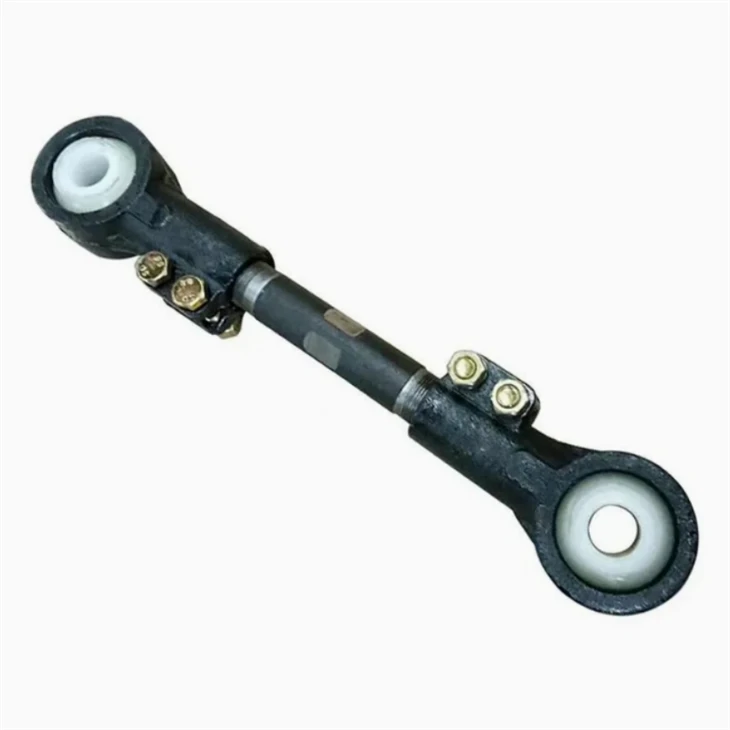

- Use Quality Accessories: When choosing accessories for your axle axle head, such as Twist Lock Container for Trailers, American Suspension Pull Rod, or Built-in Aluminum Legs, make sure to select high-quality products that are resistant to corrosion.
- Follow Manufacturer's Recommendations: Always follow the manufacturer's recommendations for maintenance and care of your axle axle head. This includes using the recommended lubricants, cleaning agents, and protective coatings.
- Store Properly: When storing your axle axle head, make sure to store it in a dry, clean environment. Avoid storing it in areas where it may be exposed to moisture, salt, or other corrosive substances.
Conclusion
Preventing corrosion on an axle axle head is essential for ensuring its longevity and performance. By understanding the causes of corrosion and implementing the prevention strategies outlined in this blog post, you can protect your axle axle head from damage and extend its lifespan. As a supplier of axle axle heads, I'm committed to providing high-quality products and expert advice to help you keep your equipment in top condition. If you have any questions or need further information, please don't hesitate to contact me. I'd be happy to discuss your specific needs and help you find the right solutions for your application.
References
- "Corrosion Prevention and Control in the Automotive Industry" by the Society of Automotive Engineers (SAE)
- "Handbook of Corrosion Engineering" by Pierre R. Roberge
- "Corrosion Basics: An Introduction" by NACE International


