

Hey there, folks! As an air brake chamber supplier, I've seen my fair share of issues with these crucial components. One common problem that pops up is a damaged pushrod in an air brake chamber. In this blog, I'm gonna walk you through the process of replacing a damaged pushrod in an air brake chamber.
First things first, let's talk about why a pushrod might get damaged. There are a few reasons for this. Maybe there was some kind of impact, like a collision or a heavy object hitting the brake chamber. Or it could be due to wear and tear over time. If the pushrod isn't lubricated properly or if it's exposed to harsh environmental conditions, it can start to deteriorate.
Before you start replacing the pushrod, you need to gather the right tools. You'll need a socket set, a wrench, a brake spring tool (this is super important for safety), and of course, a new pushrod that's compatible with your air brake chamber. Make sure you double - check the specifications of your brake chamber to get the correct pushrod.
Okay, now let's get into the actual replacement process.

Step 1: Safety First
Safety is always the top priority when working on brakes. Park your vehicle on a flat, stable surface and engage the parking brake. Chock the wheels to prevent any accidental movement. If you're working on a trailer, make sure it's properly supported. Also, wear safety glasses and gloves to protect yourself from any debris or sharp edges.
Step 2: Release the Air Pressure
The air brake system has air pressure in it, and you need to release this pressure before you start working on the brake chamber. Locate the air supply valve and turn it off. Then, press the brake pedal a few times to release the remaining air pressure in the system. You'll hear a hissing sound as the air escapes.
Step 3: Remove the Brake Chamber Cover
Using your socket set or wrench, remove the bolts that hold the brake chamber cover in place. Carefully lift off the cover. Be careful not to damage the diaphragm inside the brake chamber while doing this. The diaphragm is a thin, rubber - like part that plays a crucial role in the operation of the brake chamber.
Step 4: Compress the Brake Spring
This is where the brake spring tool comes in handy. The brake spring in the air brake chamber is under a lot of tension, so you need to use the tool to compress it safely. Follow the instructions that come with the brake spring tool carefully. Once the spring is compressed, you can remove the retaining clip or pin that holds the pushrod in place.
Step 5: Remove the Damaged Pushrod
After removing the retaining clip or pin, you can pull out the damaged pushrod from the brake chamber. Take a good look at the pushrod and the area around it to see if there are any other signs of damage, like worn - out seals or a damaged diaphragm. If you notice any other issues, you might need to replace those parts as well.
Step 6: Install the New Pushrod
Take your new pushrod and insert it into the brake chamber. Make sure it fits snugly and is properly aligned. Then, re - attach the retaining clip or pin to hold the pushrod in place.
Step 7: Release the Brake Spring
Using the brake spring tool, slowly release the tension on the brake spring. Make sure the spring is properly seated and there are no signs of misalignment.
Step 8: Replace the Brake Chamber Cover
Put the brake chamber cover back on and tighten the bolts securely. Make sure the cover is properly sealed to prevent any air leaks.
Step 9: Re - pressurize the Air Brake System
Turn the air supply valve back on and let the air brake system build up pressure. Check for any air leaks around the brake chamber. You can do this by listening for hissing sounds or using a soapy water solution to check for bubbles.
Step 10: Test the Brakes
Once the air brake system is pressurized, test the brakes to make sure they're working properly. Press the brake pedal and see if the brakes engage smoothly. If you notice any issues, like a spongy brake pedal or uneven braking, you might need to double - check your work or have a professional take a look.
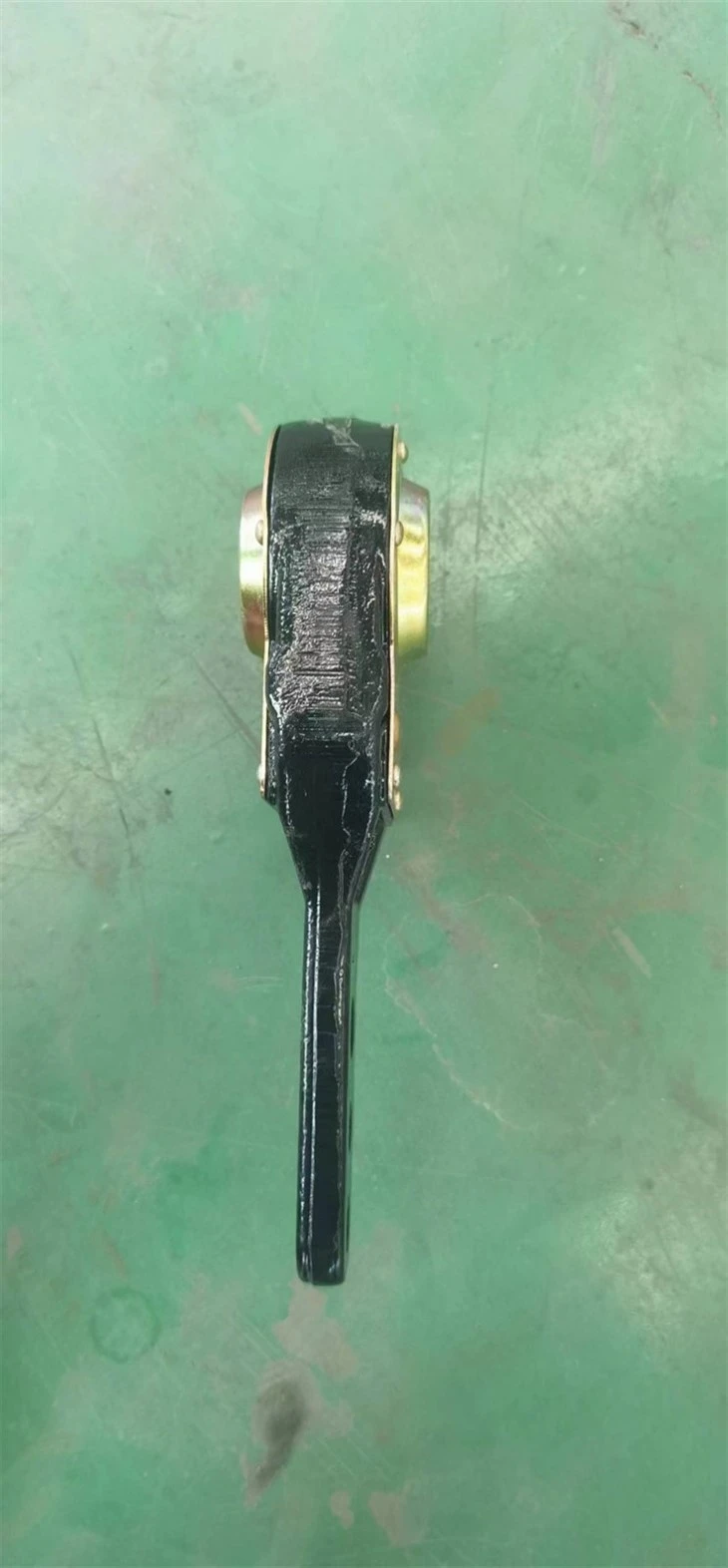
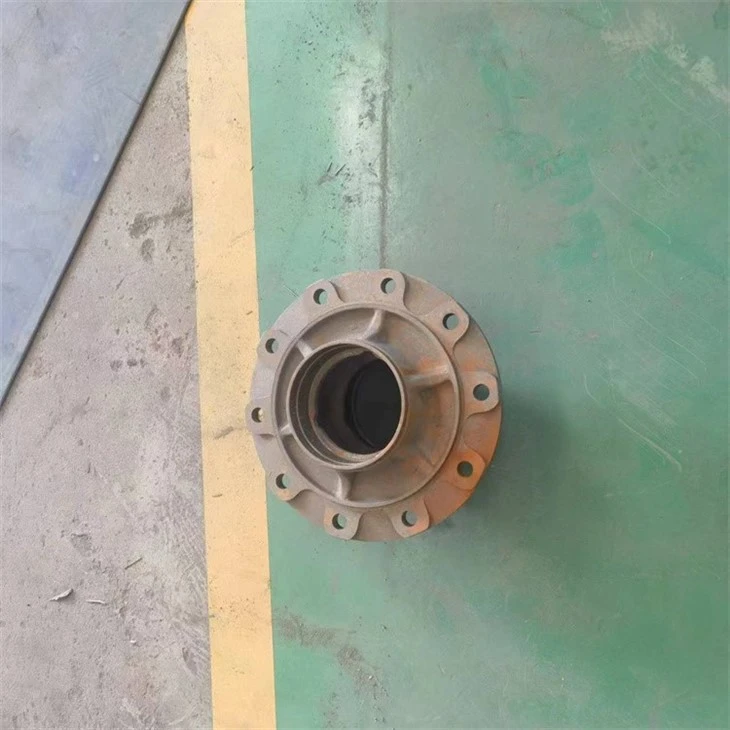
Now, while you're working on your air brake chambers, you might also be interested in some other trailer accessories. For example, the Axle Adjusting Arm can be really useful for fine - tuning the position of your axles. And the Axle Axle Head is an important part of the trailer's axle system. If you're into container trailers, the Twist Lock Container for Trailers can help you secure your containers safely.
If you're in the market for air brake chambers, pushrods, or any of these trailer accessories, we're here to help. We've got a wide range of high - quality products that are designed to meet your needs. Whether you're a professional mechanic or a DIY enthusiast, we can provide you with the right parts at a great price.
If you have any questions or want to start a procurement discussion, don't hesitate to reach out. We're always happy to chat and help you find the best solutions for your trailer.
References
- "Air Brake Systems Handbook" - A comprehensive guide on air brake systems and their components.
- Manufacturer's manuals for air brake chambers and related parts.


