

As a supplier of German equalizing beams, I am often asked about the available sizes of these essential components in the trailer suspension system. German equalizing beams play a crucial role in distributing the load evenly across the axles of a trailer, ensuring stability, safety, and optimal performance. In this blog post, I will delve into the various sizes of German equalizing beams that are commonly available in the market and their applications.
Understanding German Equalizing Beams
Before we discuss the sizes, it's important to understand what German equalizing beams are and how they function. German equalizing beams are part of the German-style suspension system, which is widely used in trailers due to its reliability and efficiency. These beams are designed to balance the weight between multiple axles, allowing for a smoother ride and reducing the stress on individual axles.
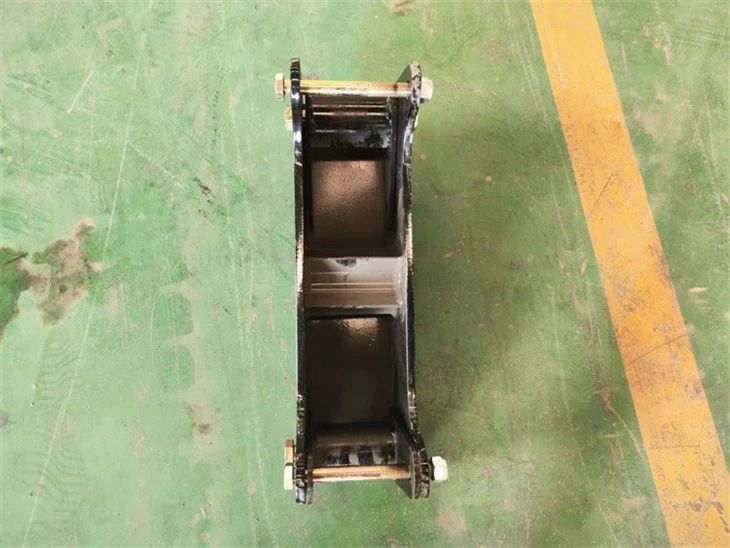
The German Equalizing Beam is typically made of high-quality steel, which provides the necessary strength and durability to withstand heavy loads. It is connected to the axles and the trailer frame through a series of brackets and bushings, allowing for some flexibility and movement to adapt to different road conditions.
Available Sizes
The size of a German equalizing beam is determined by several factors, including the length, width, and thickness of the beam, as well as the size of the mounting holes and the distance between the axles. Here are some of the most common sizes available:
Length
- Short Beams: These are typically around 400 - 600 mm in length and are suitable for trailers with a smaller wheelbase or lighter loads. Short beams are often used in light-duty trailers, such as small utility trailers or car haulers.
- Medium Beams: Medium-length equalizing beams range from 600 - 800 mm. They are a popular choice for medium-duty trailers, such as livestock trailers or small flatbed trailers. These beams can handle a moderate amount of weight and provide a good balance between stability and flexibility.
- Long Beams: Long equalizing beams are usually 800 mm or longer and are designed for heavy-duty trailers, such as large flatbed trailers, tanker trailers, or semi-trailers. These beams can distribute the load over a greater distance, making them ideal for carrying heavy and bulky loads.
Width
- Narrow Beams: Narrow beams have a width of around 80 - 100 mm. They are often used in trailers where space is limited or where a more compact suspension system is required.
- Standard Beams: Standard-width equalizing beams are typically 100 - 120 mm wide. This is the most common width and is suitable for a wide range of trailer applications.
- Wide Beams: Wide beams, with a width of 120 mm or more, are used in heavy-duty trailers that require additional strength and stability. These beams can support larger loads and are often used in combination with other heavy-duty suspension components.
Thickness
- Thin Beams: Thin equalizing beams have a thickness of around 10 - 12 mm. They are suitable for light-duty trailers and applications where weight reduction is a priority.
- Medium Thickness Beams: Medium-thickness beams range from 12 - 15 mm. They provide a good balance between strength and weight and are commonly used in medium-duty trailers.
- Thick Beams: Thick equalizing beams are 15 mm or thicker and are designed for heavy-duty applications. These beams can withstand high stress and are used in trailers that carry extremely heavy loads.
Application of Different Sizes
The choice of the size of the German equalizing beam depends on the specific requirements of the trailer. Here are some examples of how different sizes are used in various applications:
Light-Duty Trailers
For light-duty trailers, such as small boat trailers or garden trailers, short and narrow equalizing beams with a thin thickness are often sufficient. These trailers typically carry light loads and do not require a heavy-duty suspension system. The smaller size of the beams also helps to reduce the overall weight of the trailer, improving fuel efficiency.
Medium-Duty Trailers
Medium-duty trailers, such as livestock trailers or small flatbed trailers, require a more robust suspension system. Medium-length, standard-width, and medium-thickness equalizing beams are commonly used in these trailers. These beams can handle the moderate weight of the cargo and provide a smooth ride on different road surfaces.
Heavy-Duty Trailers
Heavy-duty trailers, such as large flatbed trailers or semi-trailers, need the largest and strongest equalizing beams. Long, wide, and thick beams are used to distribute the heavy load evenly across the axles and ensure the stability of the trailer. These beams are often paired with other heavy-duty components, such as Heavy Duty German Type Suspension and German Type Middle Bracket, to provide a reliable and durable suspension system.
Custom Sizes
In addition to the standard sizes, we also offer custom-made German equalizing beams to meet the specific needs of our customers. If you have a unique trailer design or require a non-standard size, our team of engineers can work with you to design and manufacture a custom equalizing beam that meets your exact specifications.
Conclusion
The available sizes of German equalizing beams vary widely to accommodate different types of trailers and loads. By choosing the right size of equalizing beam, you can ensure the safety, stability, and performance of your trailer. Whether you need a light-duty beam for a small trailer or a heavy-duty beam for a large semi-trailer, we have the expertise and the products to meet your needs.
If you are in the market for German equalizing beams or have any questions about our products, please feel free to contact us. Our team of experts is ready to assist you in selecting the right size and type of equalizing beam for your trailer. We look forward to the opportunity to work with you and provide you with high-quality products and excellent customer service.

References
- Trailer Suspension Handbook, Industry Publication
- German Style Suspension Design Manual, Manufacturer's Guide