

As a supplier of built - in support legs, I've witnessed firsthand the importance of ergonomic considerations in these products. Ergonomics, the science of designing and arranging things so that people can interact with them most efficiently and safely, plays a crucial role in the functionality and user - friendliness of built - in support legs. In this blog, I'll delve into the various ergonomic aspects that should be taken into account when manufacturing and using these support legs.
1. Height Adjustability
One of the most fundamental ergonomic considerations for built - in support legs is height adjustability. Different users have different physical statures, and work surfaces or equipment supported by these legs may need to be at various heights depending on the task at hand. For example, in a manufacturing setting, workers may need to adjust the height of a workbench to a comfortable level to prevent back strain.
Height - adjustable support legs allow users to customize the height of the supported structure. This can be achieved through various mechanisms, such as screw - type adjustments, hydraulic systems, or pneumatic cylinders. Screw - type adjustments are relatively simple and cost - effective. They provide a fine - tuned adjustment, allowing users to set the height precisely. However, they may require more physical effort to turn the screws, especially for larger or heavier structures.
Hydraulic and pneumatic systems, on the other hand, offer a more effortless way to adjust the height. With the push of a button or the pull of a lever, users can raise or lower the support legs. This is particularly useful in applications where quick height changes are required, such as in mobile workstations or adjustable desks. These systems also provide a smoother adjustment compared to screw - type mechanisms, reducing the risk of sudden jolts that could cause injury.
2. Load - Bearing Capacity and Stability
Ergonomics is not only about user comfort but also about safety. Built - in support legs need to have an appropriate load - bearing capacity to support the weight of the structure and any additional loads. If the support legs are not strong enough, they may fail under the weight, leading to accidents and injuries.
When designing support legs, it's essential to consider the maximum load they will need to bear. This involves analyzing the weight of the equipment or surface they will support, as well as any dynamic loads that may occur during use. For example, in a laboratory setting, a workbench may need to support the weight of heavy equipment, chemicals, and the force exerted by workers when performing experiments.
In addition to load - bearing capacity, stability is also crucial. Support legs should be designed to prevent the structure from tipping over. This can be achieved through a wide base design, which provides a larger footprint and better stability. Some support legs also feature anti - slip pads or feet to further enhance stability. These pads can grip the floor surface, reducing the risk of the structure sliding or shifting during use.
3. Ease of Installation and Removal
Another important ergonomic consideration is the ease of installation and removal of built - in support legs. In many applications, support legs may need to be installed or removed frequently, such as in modular furniture or temporary structures. If the installation process is too complicated or time - consuming, it can cause frustration for users and may even lead to improper installation, which can compromise safety.
Support legs should be designed with simple and intuitive installation mechanisms. For example, some support legs feature a snap - on or plug - in design, which allows users to quickly attach them to the structure without the need for special tools. Others may use a bolt - on system, but with pre - drilled holes and clear instructions to make the installation process as straightforward as possible.
Similarly, the removal process should also be easy. This is especially important in applications where the support legs need to be replaced or the structure needs to be disassembled for storage or transportation. A well - designed support leg should allow users to remove it quickly and safely, without the need for excessive force or complex procedures.
4. Compatibility with Other Components
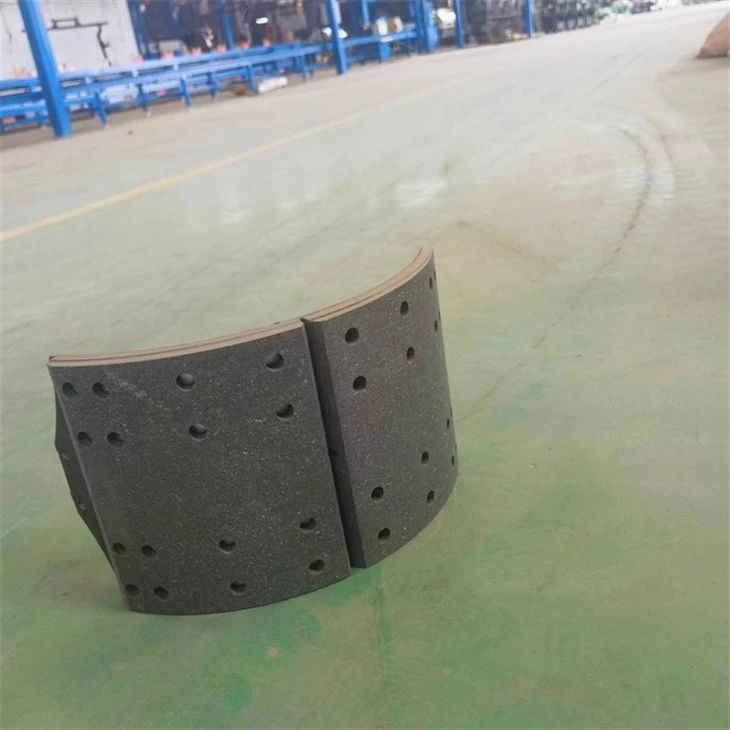
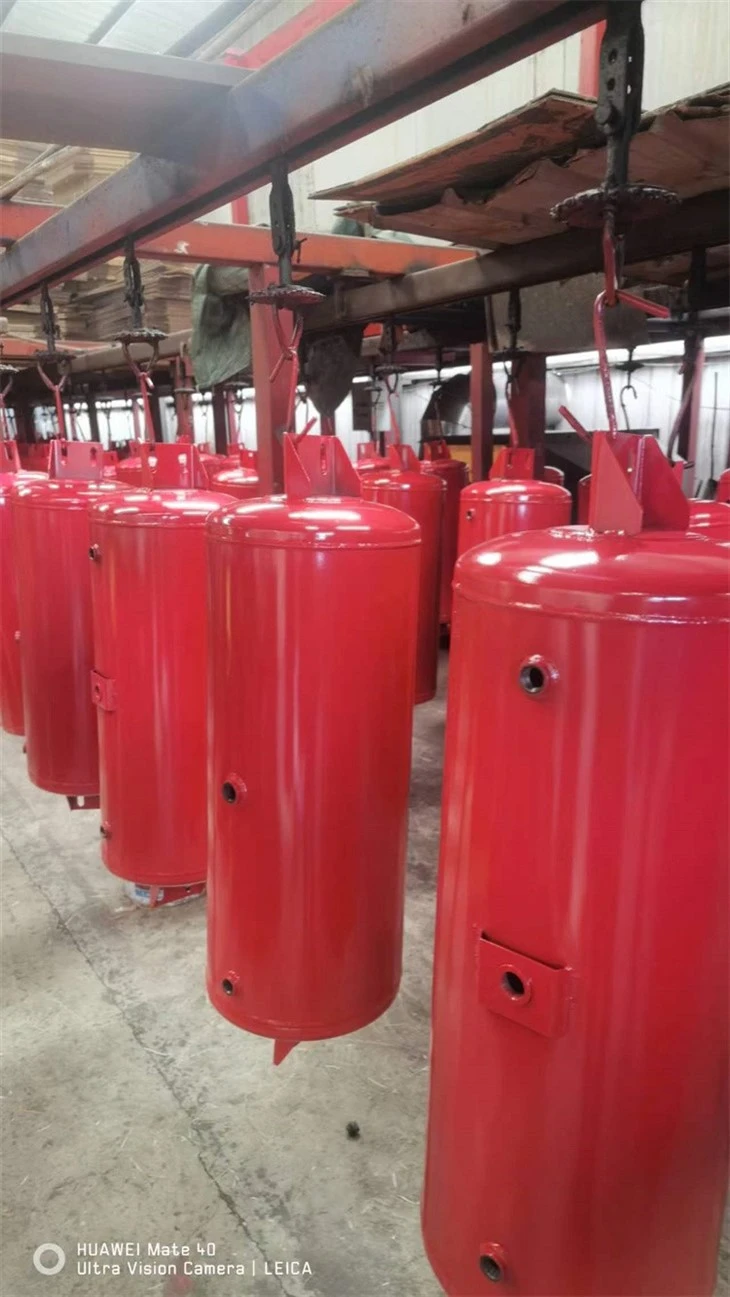
Built - in support legs often need to work in conjunction with other components, such as Axle Brake Pads, Air Brake Chamber, and Air Brake Tanks. Ergonomic considerations should also take into account the compatibility of these components.
For example, in a trailer or mobile equipment application, the support legs need to be compatible with the braking system. The height and position of the support legs should not interfere with the operation of the Axle Brake Pads or the Air Brake Chamber. Similarly, the support legs should not obstruct the access to the Air Brake Tanks for maintenance and inspection.
When designing support legs, it's important to consider the overall system and ensure that they can be integrated seamlessly with other components. This may involve collaborating with manufacturers of other components to ensure compatibility and to optimize the ergonomics of the entire system.
5. Material Selection and Finish
The materials used in the construction of built - in support legs also have an impact on ergonomics. The material should be strong enough to support the required load, but it should also be lightweight to make it easier to handle during installation and use.
Common materials for support legs include steel, aluminum, and plastic. Steel is a strong and durable material, but it can be heavy. Aluminum, on the other hand, is lightweight and corrosion - resistant, making it a popular choice for applications where weight is a concern, such as in mobile equipment. Plastic is often used for lighter - duty applications or for components that require a certain degree of flexibility.
In addition to the material itself, the finish of the support legs is also important. A smooth finish can prevent injuries from sharp edges or rough surfaces. It can also make the support legs easier to clean, which is especially important in applications where hygiene is a concern, such as in food processing or medical facilities.
6. User Feedback and Customization
Finally, one of the best ways to ensure that built - in support legs meet ergonomic requirements is to gather user feedback. Users are the ones who interact with the support legs on a daily basis, and they can provide valuable insights into the design and functionality of the product.
Based on user feedback, manufacturers can make improvements to the support legs. This may involve adjusting the height range, changing the installation mechanism, or modifying the material selection. In some cases, it may also be possible to offer customized support legs to meet the specific needs of different users.
Customization can include features such as different colors, sizes, or additional accessories. For example, some users may require support legs with a longer reach or a special mounting bracket. By offering customization options, manufacturers can provide a more ergonomic solution that meets the unique needs of each user.
Conclusion
In conclusion, ergonomic considerations are essential for built - in support legs. From height adjustability and load - bearing capacity to ease of installation and compatibility with other components, every aspect of the design should be carefully thought out to ensure the safety, comfort, and efficiency of users.
As a supplier of built - in support legs, we are committed to providing products that meet the highest ergonomic standards. We understand that our customers rely on our support legs to perform their tasks safely and effectively. If you are interested in our built - in support legs or have any questions about ergonomic design, please don't hesitate to contact us for further discussion and potential procurement. We look forward to working with you to find the best ergonomic solution for your needs.
References
- Konz, S., & Johnson, S. (2012). Work Design: Industrial Ergonomics. Cengage Learning.
- Kroemer, K. H. E., Kroemer, H. J., & Kroemer - Elbert, K. E. (2001). Engineering Physiology: Bases of Human Factors/Ergonomics. Psychology Press.
- Sanders, M. S., & McCormick, E. J. (1993). Human Factors in Engineering and Design. McGraw - Hill.


