

Hey there! As a supplier of lightweight axles, I've been keeping a close eye on the industry, and let me tell you, the future's looking super exciting. In this blog, I'll share with you some of the trends I see shaping the lightweight axle market.
1. Increased Demand for Fuel Efficiency
One of the biggest drivers for the future of lightweight axles is the growing need for better fuel efficiency. With fuel prices constantly on the rise and more and more environmental regulations being put in place, trucking companies and trailer manufacturers are looking for ways to cut down on fuel consumption. Lightweight axles play a crucial role in this.
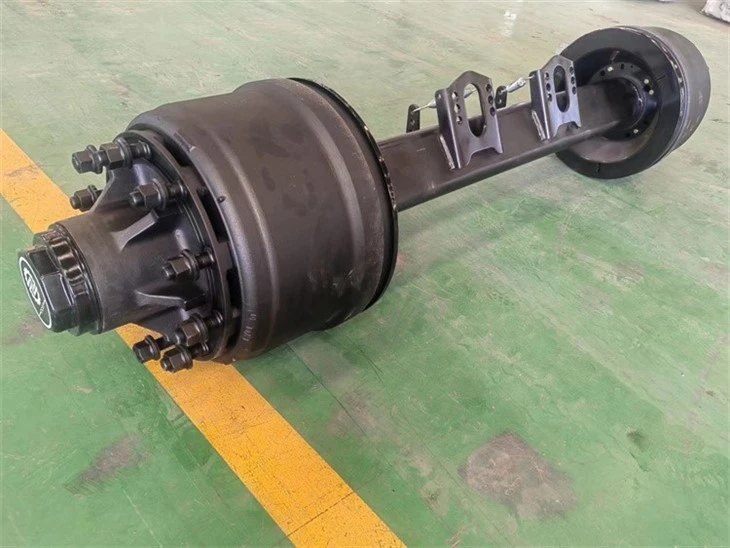
By reducing the weight of the axles, trailers can carry more payload without increasing the overall weight of the vehicle. This means less energy is needed to move the trailer, resulting in lower fuel consumption. For example, if you replace a traditional heavy - duty axle with a 10 Ton Lightweight Axle, you can expect a significant reduction in the amount of fuel your trailer uses. This not only saves money for the operators but also helps to reduce the carbon footprint of the transportation industry.
2. Advancements in Material Technology
Another major trend is the continuous improvement in material technology. We're seeing the use of high - strength steel alloys, aluminum, and composite materials becoming more widespread in the manufacturing of lightweight axles.
High - strength steel alloys offer a great balance between strength and weight. They can withstand heavy loads while being lighter than traditional steel. Aluminum, on the other hand, is well - known for its low density. It's corrosion - resistant and can significantly reduce the weight of the axles. Composite materials, such as carbon fiber composites, are also making their way into the market. These materials are extremely strong and lightweight, but they're currently more expensive. However, as the manufacturing processes become more efficient, we can expect to see more composite - based lightweight axles in the future.
At our company, we're constantly researching and developing new materials and manufacturing techniques to stay at the forefront of this trend. We're always looking for ways to make our Lightweight Trailer Axles even lighter and stronger.
3. Integration of Smart Technologies
The future of lightweight axles will also involve the integration of smart technologies. We're already seeing the development of axles with built - in sensors that can monitor various parameters such as temperature, load, and tire pressure.
These sensors can provide real - time data to the vehicle's onboard computer system. For example, if the load on an axle is uneven or if the tire pressure is too low, the system can alert the driver immediately. This helps to improve safety and prevent potential breakdowns. In addition, the data collected by these sensors can be used for predictive maintenance. By analyzing the data, maintenance teams can identify potential problems before they occur, reducing downtime and maintenance costs.
We're also starting to see the integration of telematics systems with lightweight axles. These systems can transmit data about the axle's performance and location to a central server, allowing fleet managers to monitor and manage their trailers more effectively.
4. Customization and Modularity
Customers are increasingly looking for customized solutions when it comes to lightweight axles. Different applications require different axle specifications, such as load capacity, length, and suspension type.
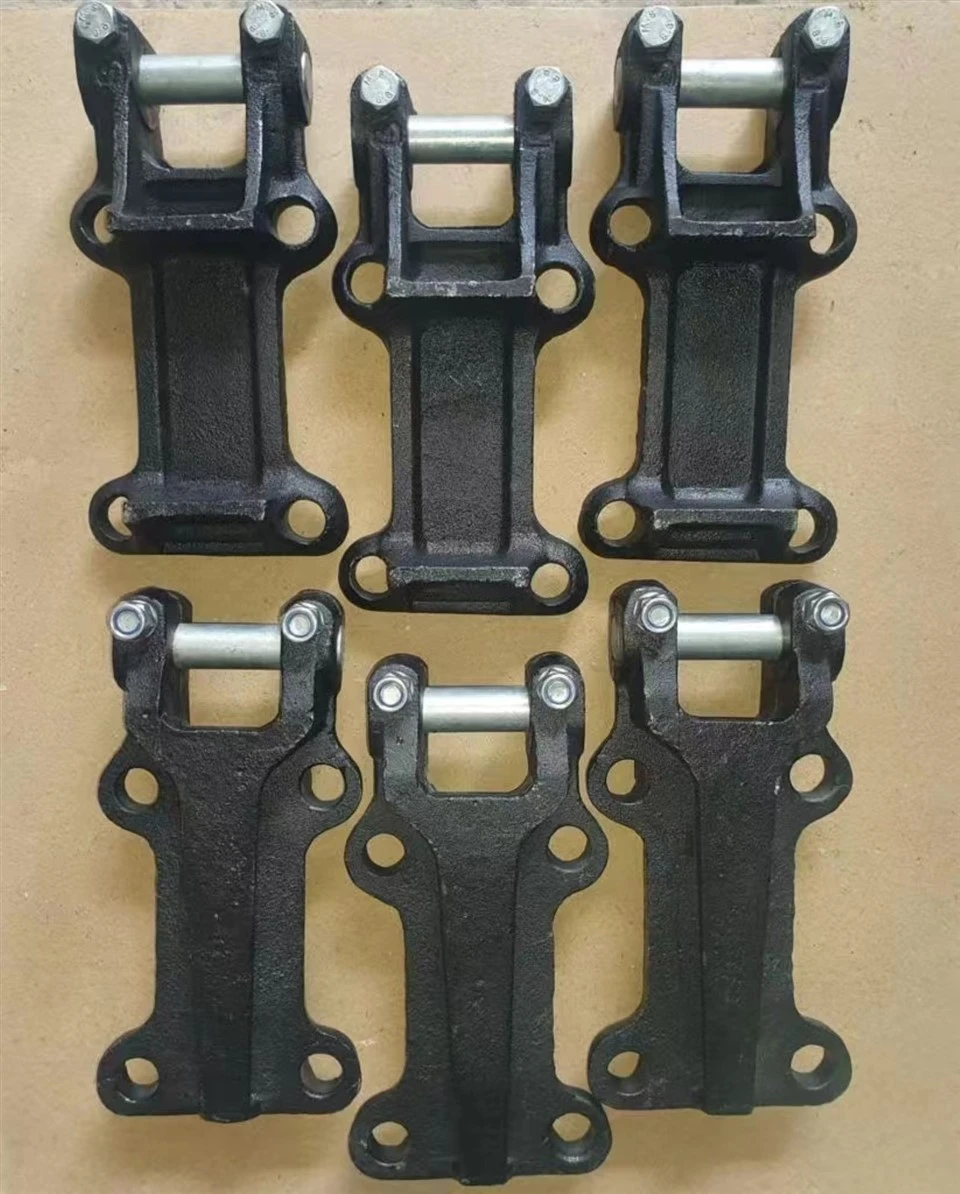
Trailer manufacturers and trucking companies want axles that can be easily integrated into their existing designs. This is where modularity comes in. Modular axles are designed to be easily assembled and disassembled, allowing for quick customization and replacement of parts. For example, our American - style Suspension Kits are modular, which means they can be tailored to meet the specific needs of our customers.
We're working hard to offer a wide range of customization options for our lightweight axles. Whether you need a special load - bearing capacity or a unique suspension setup, we can work with you to create the perfect solution.
5. Growth in the Trailer Market
The global trailer market is expected to grow in the coming years, driven by factors such as e - commerce, construction, and agriculture. As the demand for trailers increases, so does the demand for lightweight axles.
In the e - commerce industry, for example, there's a growing need for efficient and reliable trailers to transport goods. Lightweight axles can help to increase the payload capacity of these trailers, allowing for more goods to be transported in a single trip. In the construction and agriculture sectors, trailers are used to carry heavy equipment and materials. Lightweight axles can make these trailers more maneuverable and fuel - efficient.
As a lightweight axle supplier, we're well - positioned to take advantage of this growth in the trailer market. We're constantly expanding our production capacity and improving our product range to meet the increasing demand.
6. Regulatory Push for Emissions Reduction
Governments around the world are implementing stricter emissions regulations. The transportation industry is a major contributor to greenhouse gas emissions, and lightweight axles can play a role in reducing these emissions.
By improving fuel efficiency, lightweight axles help to reduce the amount of fossil fuels burned by trailers. This aligns with the global efforts to combat climate change. As a result, we can expect to see more incentives and regulations that encourage the use of lightweight axles in the future.
We're committed to meeting these regulatory requirements and helping our customers to comply with them. Our lightweight axles are designed to be as environmentally friendly as possible, without compromising on performance.
7. Collaboration and Partnerships
In the future, we'll likely see more collaboration and partnerships in the lightweight axle industry. Trailer manufacturers, axle suppliers, and technology companies will work together to develop innovative solutions.
For example, a trailer manufacturer might partner with an axle supplier to develop a custom - designed lightweight axle for a new trailer model. Technology companies can also play a role by providing the sensors and telematics systems needed for smart axles.
At our company, we're open to partnerships and collaborations. We believe that by working together, we can create better products and drive the industry forward.
Conclusion
The future of lightweight axles is full of opportunities. With the increasing demand for fuel efficiency, advancements in material technology, integration of smart technologies, customization, growth in the trailer market, regulatory push for emissions reduction, and collaboration, the lightweight axle industry is set to grow and evolve.
If you're in the market for lightweight axles, whether you're a trailer manufacturer or a trucking company, we'd love to talk to you. We have a wide range of high - quality lightweight axles and suspension kits to meet your needs. Contact us to start a conversation about your requirements and let's work together to find the perfect solution for you.
References
- Industry reports on the trailer and axle market
- Research papers on material technology and smart sensors in axles
- Government regulations on emissions and fuel efficiency in the transportation industry


