

As a semi-trailer supplier, I often get asked about the insurance requirements for semi-trailers. Insurance is a crucial aspect of owning and operating a semi-trailer, as it provides financial protection against various risks. In this blog post, I will delve into the key insurance requirements for semi-trailers, helping you understand what you need to safeguard your business and assets.
Liability Insurance
Liability insurance is perhaps the most fundamental type of insurance for semi-trailers. It protects you in case you cause damage to other people's property or injure someone while operating your semi-trailer. This includes accidents on the road, collisions with other vehicles, or damage to infrastructure.
Bodily Injury Liability
Bodily injury liability coverage pays for medical expenses, lost wages, and pain and suffering of people injured in an accident caused by your semi-trailer. The amount of coverage required varies by state and country, but it is typically measured in limits, such as $100,000 per person and $300,000 per accident. These limits represent the maximum amount your insurance company will pay for each injured person and for all injuries in a single accident, respectively.
Property Damage Liability
Property damage liability coverage pays for damage to other people's property, such as vehicles, buildings, or fences, caused by your semi-trailer. Similar to bodily injury liability, there are limits to the coverage, which can range from $25,000 to $100,000 or more, depending on the jurisdiction and your specific needs.
Physical Damage Insurance
Physical damage insurance protects your semi-trailer itself from damage or loss. This type of insurance is essential, especially considering the significant investment you make in purchasing a semi-trailer.
Collision Coverage
Collision coverage pays for damage to your semi-trailer resulting from a collision with another vehicle or object, regardless of who is at fault. For example, if your semi-trailer hits a guardrail or another truck, collision coverage will help cover the cost of repairs or replacement. The deductible, which is the amount you pay out of pocket before the insurance company starts paying, can vary depending on your policy.
Comprehensive Coverage
Comprehensive coverage protects your semi-trailer from non-collision events, such as theft, vandalism, fire, hail, or animal collisions. If your semi-trailer is stolen or damaged by a natural disaster, comprehensive coverage will provide financial assistance to repair or replace it. Like collision coverage, you will have a deductible to pay.
Cargo Insurance
If you are transporting goods using your semi-trailer, cargo insurance is a must. It protects the goods you are carrying against damage, loss, or theft during transit. The amount of coverage you need depends on the value of the cargo you typically transport.
Full Value Coverage
Full value coverage provides compensation for the full value of the cargo in case of damage or loss. This type of coverage is ideal for high-value goods, such as electronics, luxury items, or sensitive materials. However, it may come with a higher premium.
Declared Value Coverage
Declared value coverage allows you to declare the value of the cargo you are transporting. The insurance company will then pay up to that declared value in case of a covered loss. This option can be more cost-effective for lower-value goods.

Uninsured/Underinsured Motorist Insurance
Uninsured/underinsured motorist insurance protects you in case you are involved in an accident with a driver who does not have insurance or does not have enough insurance to cover the damages. This coverage can help pay for your medical expenses, vehicle repairs, and other losses.
Factors Affecting Insurance Premiums
Several factors can influence the cost of your semi-trailer insurance premiums. Understanding these factors can help you make informed decisions and potentially reduce your insurance costs.
Driving Record
A clean driving record with no accidents or traffic violations will generally result in lower insurance premiums. On the other hand, a history of accidents or traffic tickets can increase your premiums significantly.
Type of Semi-Trailer
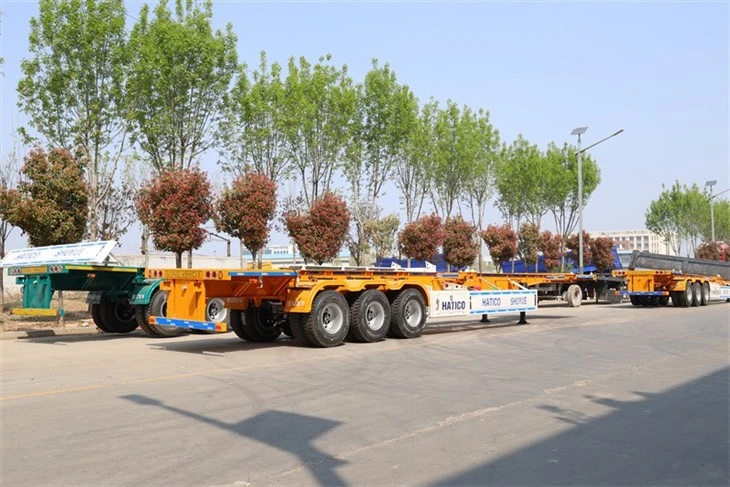
The type of semi-trailer you own can also affect your insurance premiums. For example, a specialized Skeleton Transport Semi-trailer used for transporting specific types of cargo may have different insurance requirements and costs compared to a standard flatbed trailer.
Usage
How you use your semi-trailer can impact your insurance premiums. If you use it for long-haul transportation or in high-risk areas, your premiums may be higher than if you use it for local, low-risk deliveries.
Safety Features
Semi-trailers equipped with advanced safety features, such as anti-lock brakes, collision avoidance systems, and stability control, may qualify for lower insurance premiums. These features reduce the risk of accidents and can save you money in the long run.
Importance of Working with a Reputable Insurance Provider
When it comes to insuring your semi-trailer, it is crucial to work with a reputable insurance provider. A good insurance company will have experience in the transportation industry and understand the unique risks associated with semi-trailers. They can help you customize an insurance policy that meets your specific needs and budget.
Conclusion
As a semi-trailer supplier, I understand the importance of having the right insurance coverage for your semi-trailer. Liability insurance, physical damage insurance, cargo insurance, and uninsured/underinsured motorist insurance are all essential components of a comprehensive insurance plan. By understanding the insurance requirements and factors affecting premiums, you can make informed decisions and protect your business and assets.
If you are in the market for a semi-trailer or need assistance with insurance, I encourage you to reach out to me. I can provide you with more information about our semi-trailers and help you find the right insurance solutions for your needs. Contact me to start a discussion about your semi-trailer requirements and insurance options.
References
- Insurance Information Institute. (n.d.). Commercial Auto Insurance. Retrieved from [Website URL]
- Federal Motor Carrier Safety Administration. (n.d.). Insurance Requirements for Motor Carriers. Retrieved from [Website URL]
- American Trucking Associations. (n.d.). Trucking Insurance Guide. Retrieved from [Website URL]


