
Hey there! I'm an axle supplier, and I've been in this business for quite a while. One question that I get asked a lot is, "What are the requirements for axle certification?" Well, in this blog post, I'm gonna break it down for you.
First off, let's talk about why axle certification is so important. When you're buying axles, you want to make sure they meet certain standards. Certification is like a stamp of approval that says the axles are safe, reliable, and of good quality. It gives you peace of mind, whether you're using the axles for a small trailer or a big commercial vehicle.
1. Safety Standards
Safety is the number one concern when it comes to axles. Axles need to be able to handle the weight they're designed for without breaking or failing. There are usually strict load - capacity requirements. For example, if an axle is certified for a certain weight limit, it means it has been tested to carry that load safely under normal operating conditions.
Another safety aspect is the braking system. Axles often come with brakes, and these brakes need to meet specific performance standards. The braking distance, for instance, is carefully regulated. A well - certified axle will have brakes that can stop the vehicle within a reasonable distance, which is crucial for preventing accidents.
2. Material Quality
The materials used to make the axles play a huge role in their certification. High - quality steel is commonly used because it's strong and durable. The steel needs to have the right chemical composition and mechanical properties. For example, it should have enough tensile strength to withstand the forces applied to the axle during use.
Manufacturers also need to ensure that the materials are free from defects. Any cracks, impurities, or other flaws in the material can weaken the axle and make it unsafe. That's why there are strict inspection processes in place to check the quality of the raw materials before they're used to make the axles.
3. Manufacturing Processes
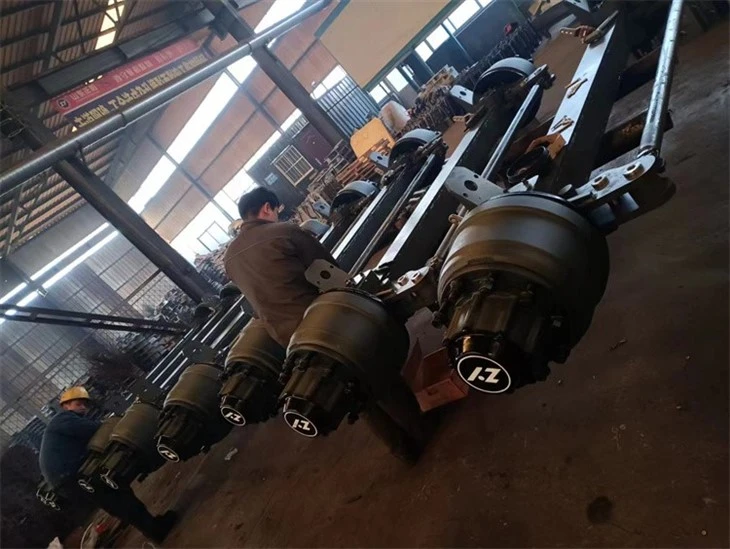
How the axles are made is just as important as the materials used. The manufacturing processes need to be precise and consistent. For example, the welding process (if welding is involved) needs to be done correctly. A bad weld can create weak points in the axle, which can lead to failure.
There are also standards for machining. The dimensions of the axle need to be accurate to ensure a proper fit with other components of the vehicle. Any deviation from the specified dimensions can cause problems, such as uneven wear or improper alignment.
4. Testing and Inspection
Before an axle can get certified, it has to go through a series of tests. These tests can include load - testing, where the axle is subjected to a heavy load to see how it performs. Fatigue testing is also common. This involves applying repeated loads to the axle to simulate long - term use and check if it can withstand the stress without cracking or breaking.
In addition to these mechanical tests, there are also inspections. Visual inspections are done to look for any obvious defects, and non - destructive testing methods like ultrasonic testing or magnetic particle testing can be used to detect internal flaws that aren't visible to the naked eye.
5. Compliance with Regulations
Axle certification also requires compliance with various regulations. These regulations can vary from country to country or region to region. Some regulations are related to environmental standards, such as the amount of emissions produced during the manufacturing process. Others are focused on product safety and performance.
For example, in some areas, there are regulations regarding the noise levels produced by the axles. Axles that are too noisy may not meet the certification requirements.
Our Axles: Meeting and Exceeding the Requirements
As an axle supplier, I'm proud to say that our axles meet all the necessary certification requirements. We source high - quality materials and use the latest manufacturing techniques to ensure the best possible products.
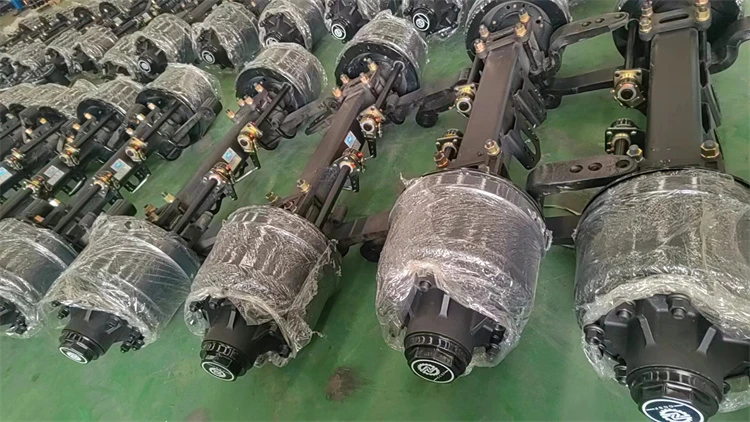
We offer a wide range of axles, including High Quality German Axle. These axles are known for their exceptional quality and performance. They're made with top - notch materials and are rigorously tested to meet the highest safety and quality standards.
Our Drum Brake Bridge is another great product. The drum brakes on these axles are designed to provide reliable stopping power, and they've been tested to meet the strict braking performance requirements.
If you're looking for something more advanced, our Hydraulic Steering Axle is a great option. These axles offer smooth and precise steering, and they're built to last.
Why Choose Us?
When you choose our axles, you're getting products that are not only certified but also backed by our years of experience in the industry. We understand the importance of quality and safety, and we're committed to providing the best axles on the market.
We also offer excellent customer service. If you have any questions about our axles or the certification process, our team is always ready to help. We can guide you through the selection process and make sure you get the right axle for your needs.
Contact Us for a Purchase
If you're interested in purchasing our axles, don't hesitate to get in touch. Whether you're a small business owner looking for axles for your trailers or a large - scale manufacturer in need of axles for your vehicles, we can provide the solutions you need. Reach out to us, and let's start a conversation about how our axles can meet your requirements.
References
- Automotive Axle Standards Handbook. A comprehensive guide to axle standards and requirements in the automotive industry.
- National Transportation Safety Board Reports. These reports often contain information about axle - related accidents and the standards that could have prevented them.
- Industry - specific trade journals that cover the latest developments in axle manufacturing and certification.


