

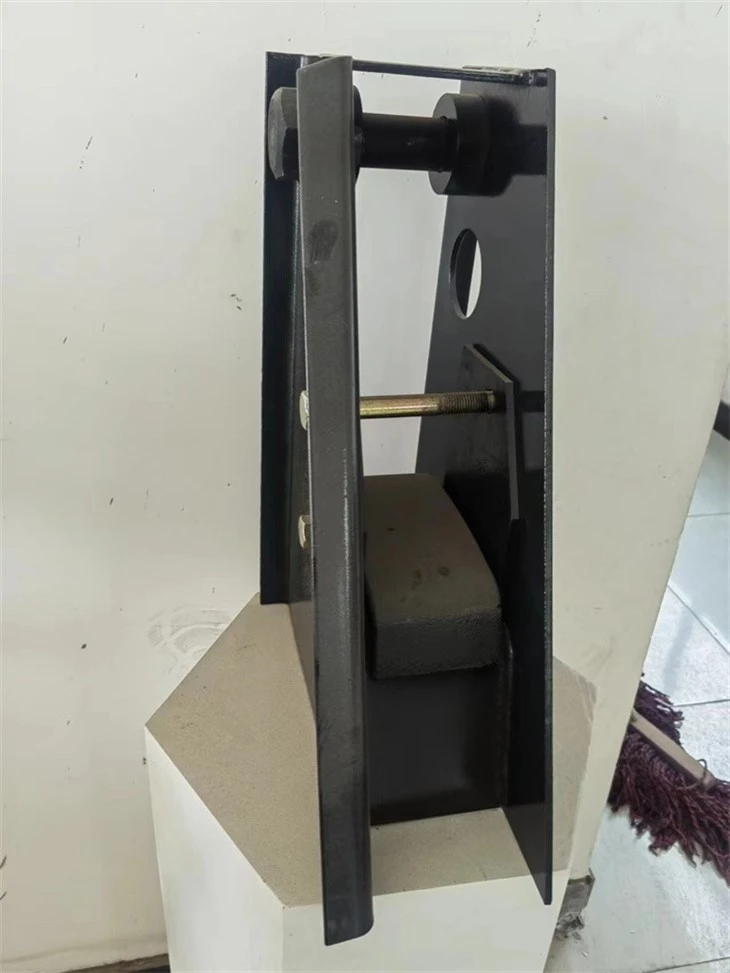
Hey there! As a supplier of German equalizing beams, I've seen firsthand the importance of safety when using these components. German equalizing beams are widely used in trailer suspensions because of their excellent performance in balancing loads and ensuring a smooth ride. But like any mechanical part, they need to be used with proper safety considerations in mind.
1. Installation Safety
First off, the installation process is super crucial. You gotta make sure that the installation is done by professionals who know what they're doing. A poorly installed German equalizing beam can lead to all sorts of problems down the road.
When installing, check the compatibility of the equalizing beam with the German Style Suspension. Each suspension system has its own specifications, and using an incompatible equalizing beam can cause excessive wear and tear or even lead to a complete failure of the suspension.
Also, pay close attention to the mounting points. The German Type Front Bracket and German Type Rear Bracket should be securely fastened. Loose brackets can cause the equalizing beam to shift during operation, which is extremely dangerous. Use the right tools and follow the manufacturer's torque specifications to ensure a tight and secure fit.
2. Load Capacity
Another major safety factor is the load capacity. German equalizing beams are designed to handle a specific amount of weight. Overloading them is a big no - no. It can put excessive stress on the beam, leading to cracks, deformation, or even breakage.
Before loading your trailer, always check the load capacity rating of the equalizing beam. Make sure that the total weight of the cargo, plus the weight of the trailer itself, does not exceed this limit. Distribute the load evenly across the trailer to prevent uneven stress on the equalizing beam. An uneven load can cause one side of the beam to bear more weight than the other, which can lead to premature failure.
3. Regular Inspections
Regular inspections are a must. You should inspect the German equalizing beam before every trip and perform more in - depth inspections on a regular basis, like monthly or quarterly, depending on how often you use the trailer.
During a basic inspection, look for any visible signs of damage, such as cracks, dents, or corrosion. Cracks are especially dangerous as they can propagate under stress and eventually cause the beam to fail. Corrosion can weaken the structure of the beam over time, reducing its strength and load - bearing capacity.
Check the bushings and pivot points. Worn - out bushings can cause excessive play in the equalizing beam, which can affect its performance and stability. Lubricate the pivot points regularly to ensure smooth movement and reduce friction.
4. Operating Conditions
The operating conditions also play a significant role in the safety of using a German equalizing beam. Rough roads, extreme temperatures, and heavy vibrations can all take a toll on the beam.
If you're driving on rough roads, try to slow down to reduce the impact on the equalizing beam. Heavy vibrations can loosen the fasteners and cause damage to the beam over time. In extreme temperature conditions, such as very hot or very cold weather, the material properties of the beam can change. For example, in cold weather, the metal can become more brittle, increasing the risk of cracking.

5. Maintenance
Proper maintenance is key to ensuring the long - term safety and performance of the German equalizing beam. Keep the beam clean to prevent the build - up of dirt, debris, and corrosive substances. Wash it regularly with a mild detergent and water, and dry it thoroughly.
Replace any worn or damaged parts immediately. Don't try to patch up a severely damaged equalizing beam. It's not worth the risk. Use only high - quality replacement parts that are compatible with your specific equalizing beam model.
6. Training
Make sure that anyone who operates or maintains the trailer with a German equalizing beam is properly trained. They should know how to perform basic inspections, understand the load capacity limits, and be aware of the signs of potential problems.
Training can also include proper driving techniques to minimize the stress on the equalizing beam. For example, avoiding sudden stops and starts, and taking turns at a reasonable speed can all help to extend the life of the beam and keep it safe.
7. Documentation
Keep detailed documentation of all inspections, maintenance, and repairs. This documentation can be very useful in case of an accident or when it's time to sell the trailer. It shows that you've taken proper care of the equalizing beam and can help to prove that it was in good working condition at the time of any incident.
In conclusion, using a German equalizing beam safely requires a combination of proper installation, load management, regular inspections, appropriate operating conditions, and good maintenance practices. By following these safety considerations, you can ensure the reliable performance of the equalizing beam and keep yourself and others on the road safe.
If you're in the market for high - quality German equalizing beams or need more information about their safety and usage, don't hesitate to reach out to us. We're here to help you make the right choice for your trailer suspension needs and ensure that you get the best and safest performance from our products.
References:
- Industry standards for trailer suspension components
- Manufacturer's guidelines for German equalizing beams


