

As a seasoned supplier of trailer suspensions, I've witnessed firsthand the crucial role that proper adjustment plays in ensuring the optimal performance and safety of trailers. In this blog post, I'll delve into the adjustment process for a trailer suspension, sharing insights and best practices based on my years of experience in the industry.
Understanding the Basics of Trailer Suspension
Before we dive into the adjustment process, it's essential to have a basic understanding of how a trailer suspension works. A trailer suspension system is designed to support the weight of the trailer and its cargo, absorb shocks and vibrations from the road, and provide stability and control while towing. There are several types of trailer suspensions, including leaf spring, torsion, and air suspensions, each with its own unique characteristics and adjustment requirements.
Leaf spring suspensions are the most common type of trailer suspension and consist of multiple layers of metal springs stacked on top of each other. These springs are attached to the trailer frame and the axle, providing support and flexibility. Torsion suspensions, on the other hand, use rubber cords or torsion bars to absorb shocks and vibrations. These suspensions are known for their smooth ride and durability. Air suspensions use air bags to support the weight of the trailer and provide a comfortable ride. These suspensions are often used in high-end trailers and commercial applications.
The Importance of Proper Suspension Adjustment
Proper suspension adjustment is crucial for several reasons. First and foremost, it ensures the safety of the trailer and its cargo. A poorly adjusted suspension can cause the trailer to sway, bounce, or even tip over, increasing the risk of accidents and damage to the trailer and its contents. Additionally, proper suspension adjustment can improve the handling and performance of the trailer, making it easier to tow and reducing wear and tear on the tires, brakes, and other components.
Another important reason to adjust your trailer suspension is to ensure a comfortable ride. A well-adjusted suspension can absorb shocks and vibrations from the road, reducing the amount of noise and discomfort inside the trailer. This is especially important for long-distance towing or when transporting sensitive cargo.
The Adjustment Process
The adjustment process for a trailer suspension will vary depending on the type of suspension you have. However, there are some general steps that you can follow to ensure that your suspension is properly adjusted.
Step 1: Inspect the Suspension
Before you begin the adjustment process, it's important to inspect the suspension for any signs of damage or wear. Check the springs, shocks, bushings, and other components for cracks, leaks, or other signs of damage. If you notice any issues, it's important to address them before proceeding with the adjustment process.
Step 2: Determine the Load Capacity
The next step is to determine the load capacity of your trailer. This information can usually be found on the trailer's registration or in the owner's manual. It's important to ensure that your trailer is not overloaded, as this can put excessive stress on the suspension and increase the risk of accidents.

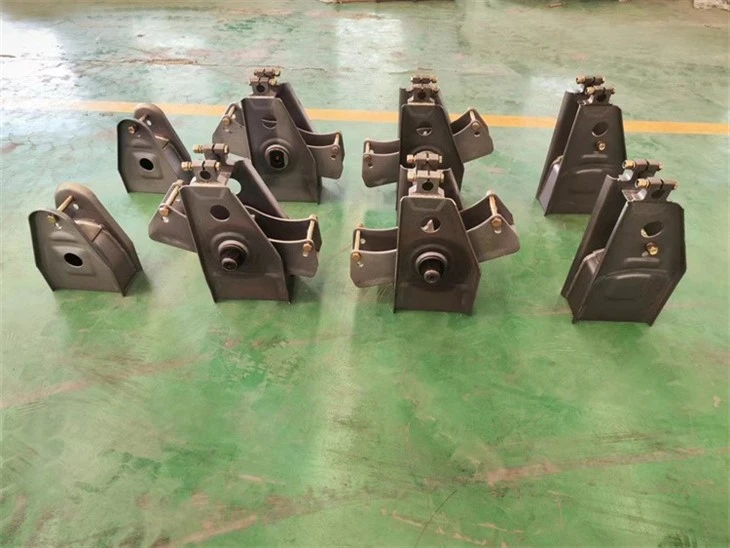
Step 3: Adjust the Suspension Height
The suspension height refers to the distance between the trailer frame and the ground. Adjusting the suspension height can help to ensure that the trailer is level and that the weight is evenly distributed across the axles. To adjust the suspension height, you may need to add or remove shims or spacers between the springs and the axle. It's important to follow the manufacturer's instructions when making these adjustments to ensure that the suspension is properly balanced.
Step 4: Adjust the Tension
If you have a leaf spring suspension, you may need to adjust the tension of the springs. This can be done by tightening or loosening the U-bolts that hold the springs to the axle. It's important to ensure that the tension is evenly distributed across all of the springs to prevent uneven wear and tear.
Step 5: Check the Alignment
Proper alignment is crucial for the performance and safety of your trailer. Misaligned wheels can cause the trailer to pull to one side, increase tire wear, and reduce fuel efficiency. To check the alignment, you can use a alignment tool or take your trailer to a professional alignment shop.
Step 6: Test the Suspension
Once you have completed the adjustment process, it's important to test the suspension to ensure that it is working properly. Take your trailer for a short test drive and pay attention to how it handles. If you notice any issues, such as excessive sway or bouncing, you may need to make further adjustments.
Additional Tips for Trailer Suspension Adjustment
In addition to the steps outlined above, there are some additional tips that you can follow to ensure that your trailer suspension is properly adjusted.
- Regular Maintenance: Regular maintenance is essential for the longevity and performance of your trailer suspension. Make sure to inspect the suspension regularly for signs of damage or wear and address any issues promptly.
- Use the Right Tools: Using the right tools is crucial for making accurate adjustments to your trailer suspension. Make sure to use a torque wrench to tighten the bolts and nuts to the manufacturer's specifications.
- Follow the Manufacturer's Instructions: Always follow the manufacturer's instructions when making adjustments to your trailer suspension. This will help to ensure that the suspension is properly adjusted and that you do not void the warranty.
- Seek Professional Help: If you are unsure how to adjust your trailer suspension or if you encounter any issues during the adjustment process, it's important to seek professional help. A qualified trailer mechanic can help you to ensure that your suspension is properly adjusted and that your trailer is safe to tow.
Conclusion
Proper suspension adjustment is crucial for the safety, performance, and comfort of your trailer. By following the steps outlined in this blog post and using the tips and best practices provided, you can ensure that your trailer suspension is properly adjusted and that your trailer is safe to tow. If you have any questions or need further assistance with your trailer suspension, please don't hesitate to contact us for a purchase consultation. We're here to help you get the most out of your trailer and ensure a safe and enjoyable towing experience.
References
- "Trailer Suspension Systems: A Comprehensive Guide." Trailer Life, [publication date].
- "How to Adjust Your Trailer Suspension." RVing World, [publication date].
- "The Importance of Proper Suspension Adjustment." Trailer Magazine, [publication date].


