

As an axle supplier, I've encountered numerous inquiries from customers about the distinctions between front axles and rear axles. These components are fundamental to a vehicle's operation, yet their differences are often overlooked. In this blog, I'll delve into the key disparities between front and rear axles, exploring their unique functions, designs, and applications.
Functions of Front and Rear Axles
The primary function of the front axle is to support the weight of the front part of the vehicle and facilitate steering. In most vehicles, the front axle is responsible for turning the wheels, allowing the driver to control the direction of travel. This requires a high degree of flexibility and precision, as even small errors in steering can lead to significant problems on the road.
On the other hand, the rear axle's main role is to support the rear weight of the vehicle and transmit power from the engine to the wheels. In rear-wheel-drive vehicles, the rear axle is where the driving force is applied, propelling the vehicle forward. This requires a robust and durable design to withstand the high torque and forces generated during acceleration and deceleration.
Design Differences
The design of front and rear axles varies significantly to accommodate their different functions. Front axles are typically designed with a focus on steering and maneuverability. They often feature a more complex suspension system, including components such as tie rods, ball joints, and steering knuckles, which allow the wheels to turn smoothly. Additionally, front axles may be equipped with a differential, which enables the wheels to rotate at different speeds when turning, preventing tire scrubbing and ensuring a smooth ride.
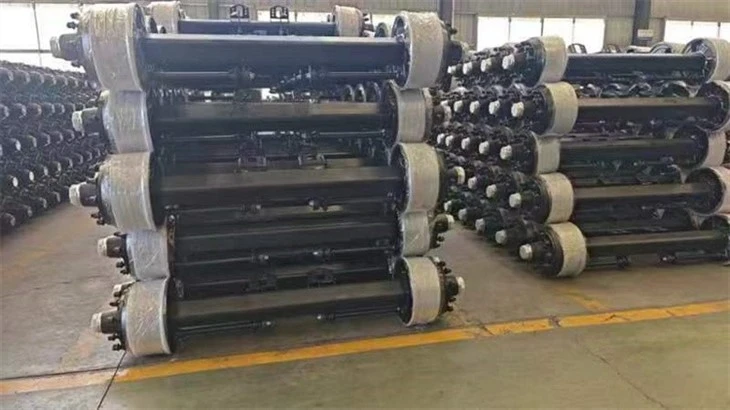
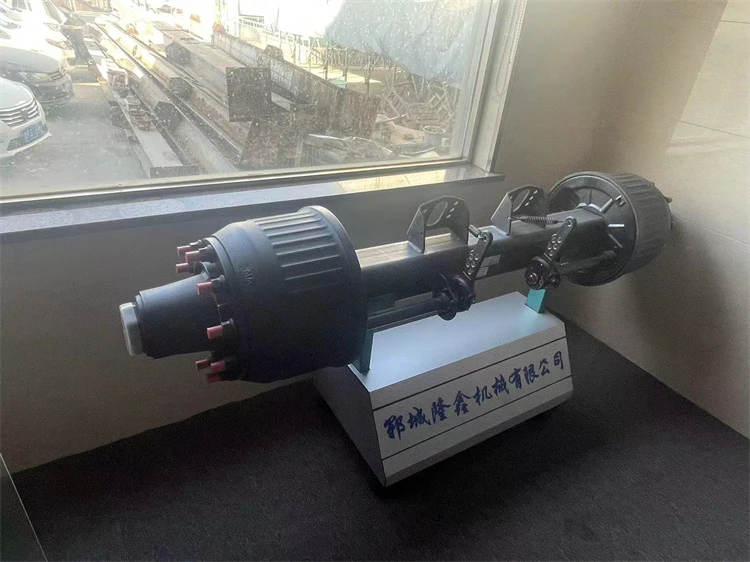
Rear axles, on the other hand, are designed to handle high loads and transmit power efficiently. They are usually more robust and heavier than front axles, with a simpler suspension system. In many rear-wheel-drive vehicles, the rear axle is a solid axle, which consists of a single shaft that connects the two rear wheels. This design provides excellent durability and strength, making it suitable for heavy-duty applications such as towing and hauling.
Applications
The choice between a front axle and a rear axle depends largely on the type of vehicle and its intended use. In passenger cars, front-wheel drive is the most common configuration, as it offers better traction and fuel efficiency in normal driving conditions. Front-wheel-drive vehicles typically have a front axle that is designed for steering and a rear axle that is primarily used for support.
In contrast, rear-wheel drive is often preferred in performance cars and trucks, as it provides better handling and power delivery. Rear-wheel-drive vehicles typically have a rear axle that is designed to transmit power from the engine to the wheels, while the front axle is responsible for steering. This configuration allows for more precise control of the vehicle's handling and acceleration, making it ideal for high-performance driving.
In addition to passenger cars and trucks, front and rear axles are also used in a variety of other vehicles, including buses, trailers, and off-road vehicles. Each type of vehicle has specific requirements for its axles, depending on factors such as weight, load capacity, and intended use.
Hydraulic Steering Axle
For vehicles that require precise steering control, a Hydraulic Steering Axle can be an excellent option. Hydraulic steering axles use a hydraulic system to assist with steering, providing smooth and responsive control. This type of axle is commonly used in heavy-duty vehicles such as buses and trucks, as well as in off-road vehicles where precise steering is essential.
High Quality German Axle
When it comes to high-quality axles, High Quality German Axle are renowned for their precision engineering and durability. German axles are known for their advanced design, high-quality materials, and strict manufacturing standards. They are often used in luxury cars, performance vehicles, and heavy-duty trucks, where reliability and performance are crucial.
Drum Brake Bridge
Another important component of an axle is the brake system. A Drum Brake Bridge is a type of brake system that uses drums to slow down or stop the vehicle. Drum brakes are commonly used in rear axles, as they provide reliable braking performance and are relatively simple and inexpensive to maintain.
Conclusion
In conclusion, the differences between front and rear axles are significant and play a crucial role in the performance and functionality of a vehicle. Understanding these differences can help you make informed decisions when choosing an axle for your vehicle, whether you're a car enthusiast, a fleet manager, or a professional mechanic.
As an axle supplier, I'm committed to providing high-quality axles and related components to meet the diverse needs of my customers. If you're interested in learning more about our products or have any questions about front and rear axles, please don't hesitate to contact me. I'd be happy to assist you with your axle needs and help you find the perfect solution for your vehicle.
References
- Automotive Engineering Handbook, Society of Automotive Engineers (SAE)
- Vehicle Dynamics: Theory and Application, Rajesh Rajamani
- Fundamentals of Vehicle Dynamics, Thomas D. Gillespie


