

Hey there! As an axle supplier, I often get asked about the differences between full - floating axles and semi - floating axles. It's a pretty common question, and understanding these differences is crucial whether you're in the automotive industry, into heavy - duty trucks, or just a vehicle enthusiast. So, let's dive right in!
How They Work
First off, let's talk about how these two types of axles function. A semi - floating axle is the more basic setup. It's used in a lot of light - duty vehicles like passenger cars, SUVs, and smaller pickup trucks. In a semi - floating axle system, the axle shaft has to do multiple jobs. It not only transmits power from the differential to the wheels to make the vehicle move but also supports the weight of the vehicle and takes on all the lateral and vertical forces that come from things like turning, braking, and going over bumps.
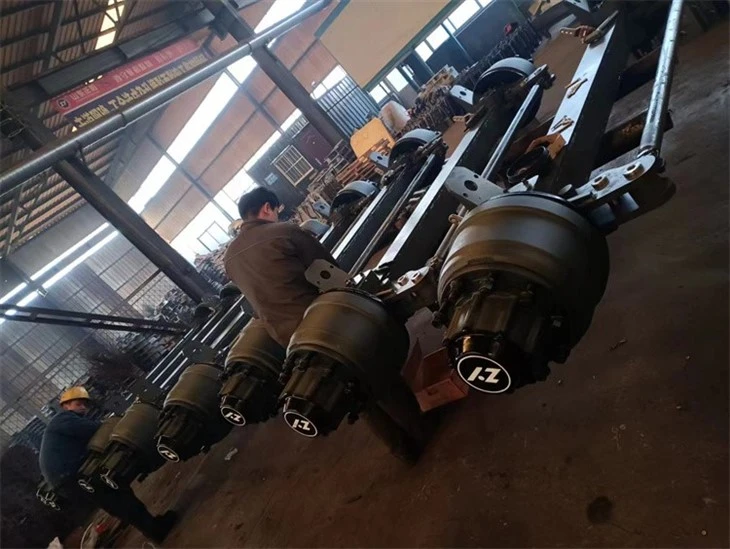
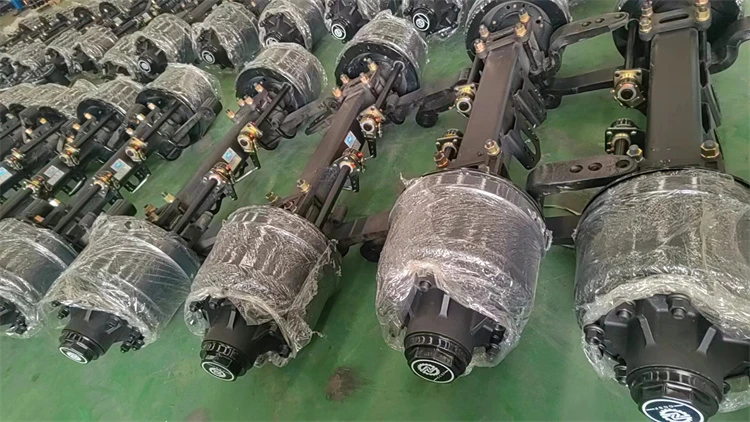
On the flip side, a full - floating axle is a bit more complex. It's commonly found in heavy - duty trucks, large trailers, and some high - performance off - road vehicles. In a full - floating axle setup, the axle shaft's main job is just to transmit power. The weight of the vehicle and all those lateral and vertical forces are supported by the axle housing. There's a hub that's attached to the axle housing through a set of bearings, and the wheel is then bolted to this hub. The axle shaft connects to the hub, but it doesn't bear the weight of the vehicle directly.
Strength and Durability
When it comes to strength and durability, there's a clear difference between the two. Semi - floating axles are generally less strong compared to full - floating axles. Since the axle shaft in a semi - floating setup has to handle both power transmission and vehicle weight, it's under a lot of stress. This means that in high - stress situations like heavy - load towing or extreme off - roading, the axle shaft can be more prone to damage. For example, if you're trying to tow a heavy trailer with a vehicle that has a semi - floating axle, the axle shaft might bend or break if it's pushed too hard.
Full - floating axles, on the other hand, are built to handle much higher loads. Because the axle shaft is only responsible for power transmission, it can be made stronger and more durable. The axle housing takes care of the weight and other forces, so the shaft is less likely to fail. This makes full - floating axles a great choice for commercial trucks that are constantly carrying heavy loads or off - road vehicles that need to withstand rough terrain.
Maintenance and Repairs
Maintenance and repair requirements also differ between full - floating and semi - floating axles. With a semi - floating axle, if the axle shaft breaks, it can be a bit of a hassle to replace. Since the shaft is integrated with the wheel and the bearing assembly, you often have to remove the wheel, the brake assembly, and the bearing to get to the axle shaft. This can be time - consuming and may require some specialized tools.
In the case of a full - floating axle, replacing the axle shaft is relatively easier. You just need to remove the wheel, unbolt the hub from the axle housing, and then the axle shaft can be taken out. This makes maintenance and repairs quicker and less complicated. However, full - floating axles do have more components, like the hub and the bearings, which means there are more parts that could potentially need maintenance or replacement over time.
Cost
Cost is another factor to consider. Semi - floating axles are generally less expensive to manufacture. They have a simpler design with fewer components, which keeps the production costs down. This is one of the reasons why they're so commonly used in light - duty vehicles. The lower cost also means that if you need to replace a semi - floating axle or its parts, it's usually more affordable.
Full - floating axles, on the other hand, are more expensive. Their complex design and the need for additional components like the hub and bearings drive up the cost. But when you consider the increased strength, durability, and ease of maintenance, the higher cost can be justified, especially for heavy - duty applications.
Applications
The applications of these two types of axles are quite different. As I mentioned earlier, semi - floating axles are mainly used in light - duty vehicles. They're perfect for everyday commuting, family trips, and light - load hauling. You'll find them in most passenger cars, small SUVs, and regular - sized pickup trucks.
Full - floating axles, however, are used in heavy - duty applications. Commercial trucks that transport goods across the country, large construction vehicles, and heavy - duty trailers all rely on full - floating axles. They're also popular in high - performance off - road vehicles that need to handle the rigors of extreme terrain.
Our Axle Offerings
As an axle supplier, we offer a wide range of axles to meet different needs. If you're looking for a semi - floating axle for your light - duty vehicle, we have some great options. Our Drum Brake Bridge is a reliable choice that combines good performance with affordability. It's designed to fit a variety of vehicle models and is built to last.
For those who need a heavy - duty solution, our High Quality German Axle is a top - notch full - floating axle. It's made with high - quality materials and advanced manufacturing techniques to ensure maximum strength and durability. Whether you're in the commercial trucking industry or an off - road enthusiast, this axle can handle the toughest jobs.
We also have Hydraulic Steering Axles that are perfect for applications where precise steering is required. These axles are designed to provide smooth and responsive steering, making your vehicle easier to control.
Contact Us for Procurement
If you're in the market for an axle, whether it's a semi - floating or full - floating one, we'd love to talk to you. Our team of experts can help you choose the right axle for your specific needs. We offer competitive prices, high - quality products, and excellent customer service. So, don't hesitate to reach out to us for procurement and let's start a great business relationship.
References
- Automotive Engineering Handbook
- Vehicle Design and Development Manual


