

Hey there! As a supplier of disc brake axles, I often get asked about the installation position of a disc brake axle on a vehicle. It's a crucial topic, and in this blog, I'll break it down for you.
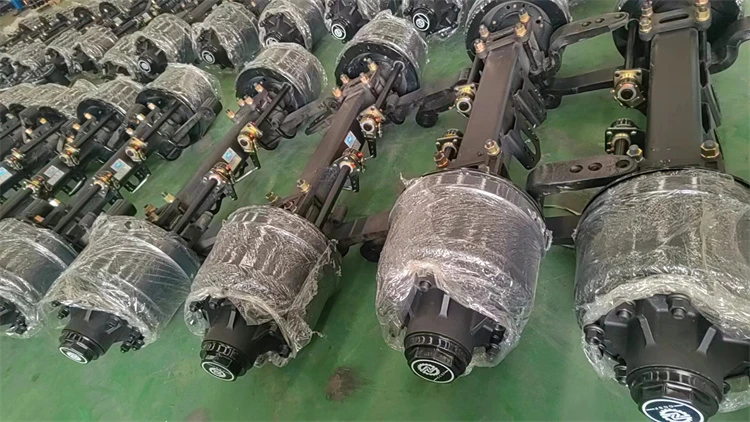
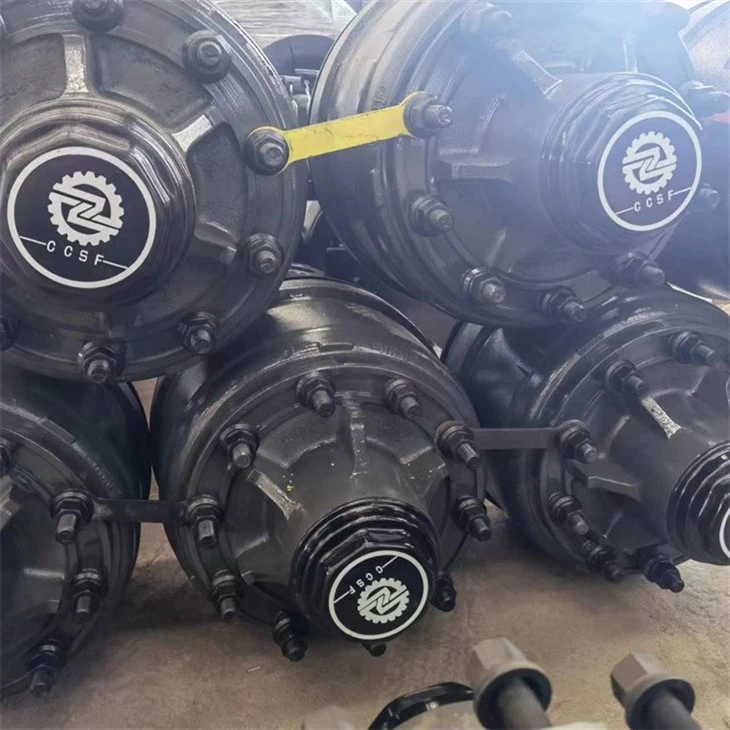
First off, let's understand what a disc brake axle is. A disc brake axle is a key component in a vehicle's braking system. It combines the functions of an axle, which supports the weight of the vehicle and transfers power from the engine to the wheels, with a disc brake system, which provides reliable stopping power. You can check out our Disc Brake Axl for more details on the product itself.
Now, onto the installation position. The installation position of a disc brake axle on a vehicle depends on several factors, including the type of vehicle, its intended use, and the overall design of the braking system.
Passenger Cars
In passenger cars, disc brake axles are typically installed on the front wheels. Why? Well, when you brake, most of the vehicle's weight shifts forward. This means that the front wheels bear a greater load during braking. By installing disc brake axles on the front, we can take advantage of the increased friction and stopping power they provide. Disc brakes are more efficient at dissipating heat compared to drum brakes, which is especially important during heavy braking or in high - speed situations.
For example, in a sporty sedan or a compact car, the front disc brake axles allow for quick and precise braking, enhancing the vehicle's safety and performance. And if you're looking for a high - quality option, our High Quality German Axle is a great choice. It's built to last and offers excellent braking performance.
Some passenger cars also have disc brake axles on the rear wheels. This is becoming more common, especially in higher - end models or vehicles with high - performance requirements. Rear disc brakes can provide more balanced braking, reducing the risk of wheel lock - up and improving overall stability.
Trucks and Commercial Vehicles
In trucks and commercial vehicles, the installation position of disc brake axles is a bit more complex. These vehicles often carry heavy loads, so the braking requirements are much higher.
On light - duty trucks, you'll usually find disc brake axles on the front wheels for the same reasons as in passenger cars. The front wheels handle the majority of the braking force due to weight transfer during braking. However, for the rear wheels, the choice between disc and drum brakes can vary.
Drum brakes have been a traditional choice for the rear of trucks because they are relatively simple, cost - effective, and can handle high - torque applications well. You can learn more about drum brakes on our Drum Brake Bridge page. But in recent years, there has been a trend towards using disc brake axles on the rear of trucks as well. Disc brakes offer better heat dissipation, faster response times, and require less maintenance in the long run.
For heavy - duty trucks, disc brake axles are being increasingly adopted on both the front and rear axles. These vehicles need all the braking power they can get, and disc brakes are better suited to handle the extreme loads and continuous braking that heavy - duty operations demand.
Buses
Buses, whether they are city buses or long - distance coaches, also have specific requirements for disc brake axle installation. City buses often make frequent stops, so efficient braking is crucial. Disc brake axles are commonly installed on the front and rear axles of modern buses. This ensures that the bus can stop quickly and safely, even when carrying a full load of passengers.
Long - distance coaches, on the other hand, may need to maintain high speeds for extended periods. In this case, disc brake axles are essential for their ability to handle high - speed braking and dissipate heat effectively. The balanced braking provided by disc brake axles on both the front and rear also contributes to a smoother and safer ride for passengers.
Factors Affecting Installation
There are a few other factors that can affect the installation position of disc brake axles. One of these is the vehicle's suspension system. The suspension needs to be compatible with the disc brake axles to ensure proper alignment and operation. A well - designed suspension can help distribute the braking forces evenly and prevent premature wear on the brakes.
Another factor is the available space in the vehicle's wheel well. Disc brake systems are generally larger and more complex than drum brakes, so there needs to be enough room for them to be installed properly. Vehicle manufacturers need to consider this when designing the vehicle's chassis and wheel wells.
The cost is also a consideration. Disc brake axles are usually more expensive than drum brakes. So, in some cases, manufacturers may choose to use a combination of disc and drum brakes to balance cost and performance.
Conclusion
In conclusion, the installation position of a disc brake axle on a vehicle depends on the type of vehicle, its intended use, and several other factors. Whether it's a passenger car, a truck, a bus, or another type of vehicle, disc brake axles play a vital role in ensuring safe and efficient braking.
If you're in the market for disc brake axles, we're here to help. We offer a wide range of high - quality disc brake axles that are suitable for different types of vehicles. Whether you're a vehicle manufacturer looking for a reliable supplier or a repair shop in need of replacement parts, we can provide you with the products you need.
Contact us today to discuss your specific requirements and start the procurement process. We're confident that our disc brake axles will meet your expectations and provide excellent performance for your vehicles.
References
- Automotive Braking Systems Handbook, various authors
- Vehicle Dynamics and Control, Rajesh Rajamani
- SAE International Publications on Vehicle Braking Technology


