

When it comes to the world of trailers and heavy - duty transportation, lightweight axles have emerged as a game - changer. As a supplier of lightweight axles, I've witnessed firsthand the growing demand for these components in various industries. One of the most frequently asked questions by our customers is: "What is the lifespan of a lightweight axle?" In this blog post, I'll delve into the factors that influence the lifespan of a lightweight axle, provide some general estimates, and offer tips on how to extend its service life.
Factors Affecting the Lifespan of a Lightweight Axle
1. Material Quality
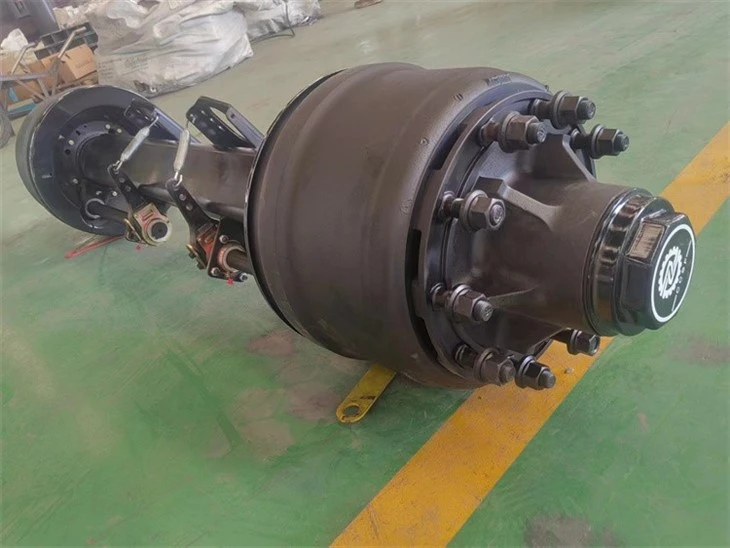
The materials used in the manufacturing of a lightweight axle play a crucial role in determining its lifespan. High - grade steel alloys are commonly used in the construction of these axles due to their excellent strength - to - weight ratio. For instance, axles made from quenched and tempered steel can withstand higher stresses and have better resistance to fatigue compared to those made from lower - quality materials. At our company, we source the finest materials to ensure that our Lightweight Trailer Axles are built to last.
2. Design and Engineering
A well - designed lightweight axle takes into account the specific requirements of the trailer and its intended use. Factors such as load capacity, suspension type, and wheel alignment are all considered during the design process. Axles with advanced design features, such as optimized cross - sections and stress - relieving techniques, are more likely to have a longer lifespan. Our 10 Ton Lightweight Axle is a prime example of a product that combines innovative design with high - performance capabilities.
3. Operating Conditions
The environment in which the lightweight axle operates has a significant impact on its lifespan. Axles used in harsh conditions, such as off - road applications or areas with high levels of moisture and salt, are more prone to corrosion and wear. For example, trailers used in coastal areas are exposed to saltwater, which can accelerate the rusting process. On the other hand, axles used in clean, dry environments with regular maintenance can last much longer.
4. Maintenance and Care
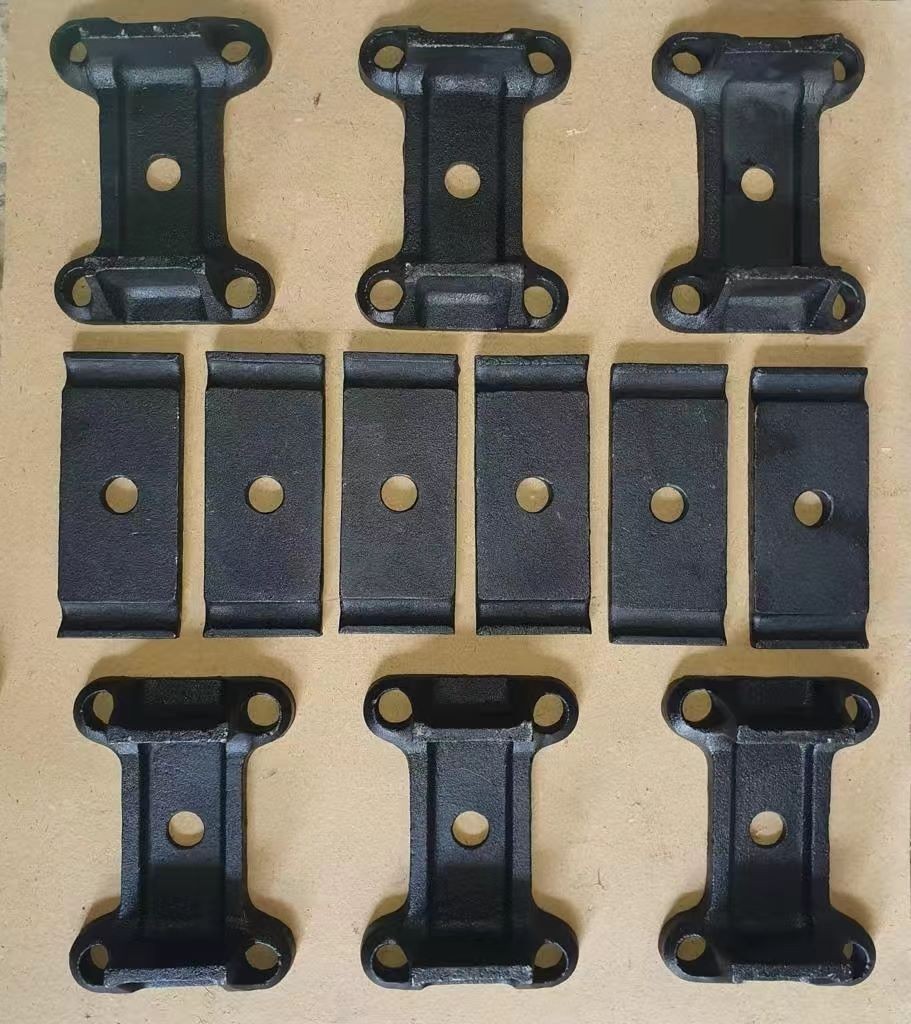
Regular maintenance is essential for maximizing the lifespan of a lightweight axle. This includes tasks such as checking and adjusting wheel bearings, inspecting for signs of damage or wear, and lubricating moving parts. Ignoring maintenance can lead to premature failure of the axle. We recommend following the manufacturer's maintenance schedule and using high - quality lubricants and replacement parts. Additionally, pairing our axles with American - style Suspension Kits can help ensure proper alignment and reduce stress on the axles.
General Lifespan Estimates
While it's difficult to provide an exact lifespan for a lightweight axle due to the various factors mentioned above, we can offer some general estimates. Under normal operating conditions and with proper maintenance, a high - quality lightweight axle can last anywhere from 10 to 15 years. However, in more demanding applications or if maintenance is neglected, the lifespan may be significantly shorter, perhaps 5 to 7 years.
Tips for Extending the Lifespan of a Lightweight Axle
1. Follow a Regular Maintenance Schedule
As mentioned earlier, regular maintenance is key. This should include checking the wheel bearings at least once a year, inspecting the axle for cracks or other signs of damage, and lubricating the bearings and other moving parts as recommended by the manufacturer.
2. Keep the Axle Clean
Regularly clean the axle to remove dirt, debris, and corrosive substances. This is especially important if the trailer is used in dirty or wet environments. A simple wash with soap and water can go a long way in preventing corrosion.
3. Avoid Overloading
Overloading the trailer puts excessive stress on the axles, which can lead to premature wear and failure. Always adhere to the recommended load capacity of the axle and the trailer.
4. Check Wheel Alignment
Proper wheel alignment is crucial for even wear on the tires and the axle. Misaligned wheels can cause uneven stress on the axle, leading to premature failure. Have the wheel alignment checked regularly, especially after hitting a pothole or curb.
Conclusion
The lifespan of a lightweight axle is influenced by a variety of factors, including material quality, design, operating conditions, and maintenance. By understanding these factors and taking appropriate measures, you can extend the service life of your lightweight axle and ensure the safe and efficient operation of your trailer.
As a supplier of high - quality lightweight axles, we are committed to providing our customers with products that offer long - term reliability and performance. If you're in the market for a lightweight axle or have any questions about our products, we encourage you to reach out to us for a consultation. We look forward to discussing your specific needs and helping you find the perfect solution for your trailer.
References
- Automotive Axle Handbook: A comprehensive guide to axle design, materials, and maintenance.
- Trailer Manufacturer's Manuals: Provide detailed information on the specific requirements and maintenance schedules for different types of trailers and axles.


