

Hey there! As a supplier of built-in support legs, I often get asked about the maintenance schedule for these crucial components. So, I thought I'd put together this blog post to share some insights and tips on keeping your built-in support legs in top-notch condition.
First off, let's talk about why maintenance is so important. Built-in support legs play a vital role in ensuring the stability and safety of trailers, semi-trailers, and other heavy-duty equipment. They bear a significant amount of weight and are subjected to various stresses and strains during regular use. Without proper maintenance, these legs can wear out prematurely, leading to potential safety hazards and costly repairs.
Now, let's dive into the maintenance schedule. The frequency of maintenance largely depends on how often the support legs are used and the operating conditions they're exposed to. However, as a general rule of thumb, I recommend the following maintenance tasks:
Daily Checks
- Visual Inspection: Before each use, take a quick look at the support legs to check for any obvious signs of damage, such as cracks, bends, or loose bolts. Pay special attention to the connection points between the legs and the trailer frame.
- Lubrication: If your support legs have moving parts, such as telescopic sections or pivot points, apply a small amount of lubricant to keep them operating smoothly. This helps reduce friction and wear, extending the lifespan of the legs.
- Functionality Test: Raise and lower the support legs a few times to ensure they're working properly. Listen for any unusual noises or vibrations, which could indicate a problem.
Weekly Checks
- Tightening of Bolts and Nuts: Over time, the bolts and nuts that hold the support legs in place can loosen due to vibrations. Use a torque wrench to check and tighten all the bolts and nuts to the manufacturer's recommended specifications.
- Cleaning: Remove any dirt, debris, or rust from the support legs using a wire brush or a pressure washer. This helps prevent corrosion and ensures the legs remain in good condition.
- Inspection of Hydraulic Systems (if applicable): If your support legs are equipped with hydraulic systems, check the fluid level and look for any signs of leaks. If you notice a low fluid level or a leak, have the system inspected and repaired by a qualified technician.
Monthly Checks
- Load Capacity Check: Periodically check the load capacity of the support legs to ensure they're still capable of supporting the weight of the trailer and its cargo. Refer to the manufacturer's specifications for the maximum load capacity and make sure you're not exceeding it.
- Alignment Check: Use a level to check the alignment of the support legs. Misaligned legs can cause uneven weight distribution, which can lead to premature wear and potential safety issues. If you notice any misalignment, adjust the legs accordingly.
- Inspection of Electrical Components (if applicable): If your support legs have electrical components, such as motors or sensors, check them for any signs of damage or malfunction. Test the components to ensure they're working properly and replace any faulty parts as needed.
Quarterly Checks
- Structural Inspection: Have a professional inspector conduct a thorough structural inspection of the support legs at least once every quarter. This includes checking for any hidden cracks, corrosion, or other structural damage that may not be visible during a visual inspection.
- Testing of Safety Features: If your support legs are equipped with safety features, such as locking mechanisms or overload protection, test them to ensure they're working properly. This helps prevent accidents and ensures the safety of the trailer and its occupants.
- Review of Maintenance Records: Take some time to review your maintenance records and make sure you're staying on top of all the necessary maintenance tasks. This helps you identify any patterns or issues that may require additional attention.
Annual Checks
- Complete Overhaul: Every year, have your support legs completely overhauled by a qualified technician. This includes disassembling the legs, inspecting all the components, and replacing any worn or damaged parts. A complete overhaul helps ensure the long-term reliability and performance of the support legs.
- Calibration of Sensors and Controls (if applicable): If your support legs have sensors or controls, have them calibrated by a professional to ensure they're accurate and reliable. This helps prevent false readings and ensures the proper operation of the legs.
- Update of Maintenance Schedule: Based on your experience and the condition of the support legs, update your maintenance schedule as needed. This helps you tailor the maintenance tasks to the specific needs of your equipment and ensure optimal performance.
In addition to following the maintenance schedule, there are a few other things you can do to keep your built-in support legs in good condition:
- Store the Trailer Properly: When the trailer is not in use, store it in a dry, protected area to prevent corrosion and damage to the support legs. If possible, use a trailer cover to further protect the legs from the elements.
- Avoid Overloading the Trailer: Always make sure you're not exceeding the maximum load capacity of the support legs. Overloading can cause excessive stress and wear on the legs, leading to premature failure.
- Train Your Operators: Make sure your operators are properly trained on how to use and maintain the support legs. This includes following the recommended maintenance schedule, using the legs correctly, and reporting any issues or concerns immediately.
As a built-in support legs supplier, I understand the importance of providing high-quality products and reliable maintenance advice. That's why we offer a wide range of Built-in Aluminum Legs that are designed to meet the needs of various applications. Our legs are made from high-quality materials and are built to last, ensuring maximum performance and safety.

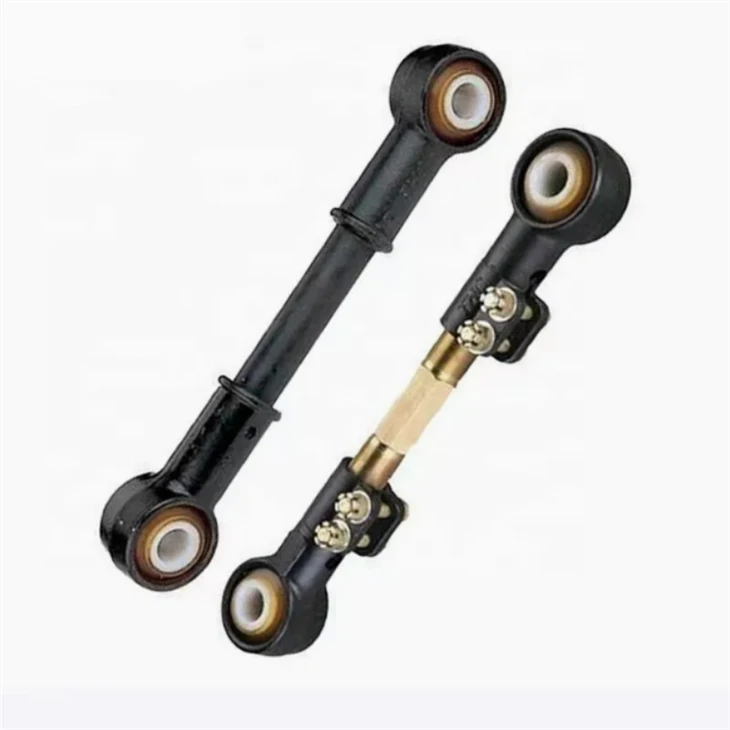
In addition to our built-in support legs, we also offer other trailer accessories, such as Semi-trailer Plate Spring and American Suspension Pull Rod. These accessories are designed to work together with our support legs to provide a complete solution for your trailer needs.
If you're in the market for built-in support legs or other trailer accessories, I encourage you to get in touch with us. We'd be happy to discuss your specific requirements and help you find the right products for your application. Whether you're a small business owner or a large fleet operator, we have the expertise and experience to provide you with the best possible solutions.
So, what are you waiting for? Contact us today to learn more about our products and services and to start your journey towards a safer and more reliable trailer.
References
- Manufacturer's manuals and specifications for built-in support legs
- Industry standards and best practices for trailer maintenance
- Personal experience and expertise as a built-in support legs supplier


