

The weight capacity of a typical trailer suspension is a crucial factor that significantly impacts the performance, safety, and overall functionality of a trailer. As a reputable trailer suspension supplier, we understand the importance of providing accurate information about weight capacities to our customers. In this blog post, we will delve into the concept of trailer suspension weight capacity, explore the factors that influence it, and discuss how our products are designed to meet diverse weight requirements.
Understanding Trailer Suspension Weight Capacity
Trailer suspension weight capacity refers to the maximum amount of weight that a suspension system can safely support. This includes the weight of the trailer itself, the cargo it carries, and any additional equipment or accessories. Exceeding the weight capacity of a trailer suspension can lead to a range of problems, including premature wear and tear, reduced handling and stability, and even safety hazards.
The weight capacity of a trailer suspension is typically specified by the manufacturer and is based on a variety of factors, including the design and construction of the suspension system, the materials used, and the intended application of the trailer. It is important to note that the weight capacity of a trailer suspension is not a fixed value and can vary depending on several factors, which we will discuss in more detail below.
Factors Influencing Trailer Suspension Weight Capacity
Suspension Design
The design of a trailer suspension plays a crucial role in determining its weight capacity. There are several different types of trailer suspensions available, each with its own unique design and characteristics. Some of the most common types of trailer suspensions include leaf spring suspensions, torsion bar suspensions, and air suspensions.
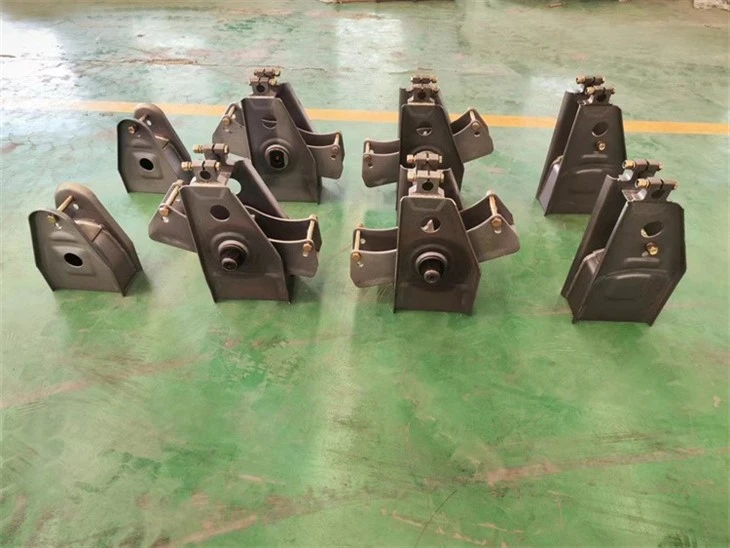

Leaf spring suspensions are one of the oldest and most widely used types of trailer suspensions. They consist of a series of curved metal strips, or leaves, that are stacked on top of each other and attached to the trailer frame. Leaf spring suspensions are known for their simplicity, durability, and relatively low cost. However, they also have some limitations, such as a relatively limited weight capacity and a tendency to provide a rough ride.
Torsion bar suspensions are another popular type of trailer suspension. They use a series of torsion bars, which are metal rods that twist when subjected to a load, to provide support and cushioning. Torsion bar suspensions are known for their smooth ride, excellent handling, and relatively high weight capacity. However, they are also more expensive and complex than leaf spring suspensions.
Air suspensions are a more advanced type of trailer suspension that uses air bags, or air springs, to provide support and cushioning. Air suspensions are known for their superior ride quality, excellent handling, and adjustable ride height. They also have a relatively high weight capacity and can be customized to meet the specific needs of the trailer and its cargo. However, air suspensions are also the most expensive and complex type of trailer suspension.
Material Quality
The quality of the materials used in the construction of a trailer suspension also plays a crucial role in determining its weight capacity. High-quality materials, such as high-strength steel and aluminum alloys, are typically used in the construction of trailer suspensions to ensure durability, strength, and reliability. These materials are able to withstand the stresses and strains of heavy loads and harsh operating conditions without deforming or breaking.
In addition to the quality of the materials, the manufacturing process used to produce the trailer suspension also affects its weight capacity. Precision manufacturing techniques, such as computer numerical control (CNC) machining and welding, are used to ensure that the components of the suspension system are accurately fabricated and assembled. This helps to ensure that the suspension system is able to provide consistent and reliable performance over its lifespan.
Axle Configuration
The axle configuration of a trailer also affects its weight capacity. Trailers can have one, two, or more axles, depending on their size, weight, and intended use. The number of axles and their spacing determine the distribution of the weight of the trailer and its cargo, which in turn affects the weight capacity of the suspension system.
Trailers with multiple axles are able to distribute the weight of the trailer and its cargo more evenly, which reduces the stress on the suspension system and allows it to support a higher weight capacity. However, trailers with multiple axles are also more complex and expensive to manufacture and maintain.
Intended Application
The intended application of the trailer also affects its weight capacity. Trailers that are used for heavy-duty applications, such as hauling construction equipment or large amounts of cargo, require a suspension system with a higher weight capacity than trailers that are used for light-duty applications, such as hauling a small boat or a utility trailer.
In addition to the weight of the cargo, the type of terrain and road conditions that the trailer will be used on also affect the weight capacity of the suspension system. Trailers that are used on rough or uneven terrain require a suspension system with a higher weight capacity and better shock absorption than trailers that are used on smooth, paved roads.
Our Trailer Suspension Products
As a leading trailer suspension supplier, we offer a wide range of suspension systems to meet the diverse needs of our customers. Our products are designed and manufactured using the latest technology and highest quality materials to ensure durability, reliability, and performance.
One of our most popular products is our Light Duty Suspension, which is designed for trailers with a relatively low weight capacity. This suspension system is ideal for trailers that are used for light-duty applications, such as hauling a small boat or a utility trailer. It features a simple and durable design, as well as a smooth and comfortable ride.
For trailers with a higher weight capacity, we offer a range of heavy-duty suspension systems, including leaf spring suspensions, torsion bar suspensions, and air suspensions. These suspension systems are designed to provide maximum support and cushioning for heavy loads, as well as excellent handling and stability.
In addition to our standard suspension systems, we also offer custom suspension solutions to meet the specific needs of our customers. Our team of experienced engineers and designers can work with you to develop a suspension system that is tailored to your trailer and its intended application.
Conclusion
The weight capacity of a typical trailer suspension is a crucial factor that significantly impacts the performance, safety, and overall functionality of a trailer. By understanding the factors that influence trailer suspension weight capacity and choosing the right suspension system for your trailer, you can ensure that your trailer is able to safely and efficiently transport your cargo.
As a leading trailer suspension supplier, we are committed to providing our customers with high-quality suspension systems that are designed to meet their specific needs. Whether you need a light-duty suspension system for a small trailer or a heavy-duty suspension system for a large trailer, we have the expertise and experience to provide you with the right solution.
If you are interested in learning more about our trailer suspension products or would like to discuss your specific needs with one of our experts, please contact us today. We look forward to working with you to find the perfect suspension system for your trailer.
References
- "Trailer Suspension Systems: A Comprehensive Guide." Trailer Life, 2023.
- "How to Choose the Right Trailer Suspension." RV Travel, 2023.
- "The Importance of Trailer Suspension Maintenance." Caravan & Motorhome Club, 2023.


