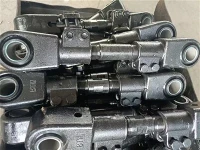


Tyes of Trailer Suspension
There are several different types of trailer suspension systems, each with its own advantages and disadvantages. The most common types are:
1. Leaf Springs: Leaf springs are the oldest and most common type of trailer suspension. They consist of thin, layered metal strips that absorb shock and provide support. They are simple and durable but can be rougher on the cargo.
2. Torsion Axle: Torsion axles use a series of rubber or fiberglass cords to absorb shock and provide support. They are smoother than leaf springs, but more difficult to repair.
3. Air Suspension: Air suspension uses a series of air springs to provide support and absorb shock. They provide the smoothest ride, but are also the most complex and expensive.
4. Rubber Suspension: Rubber suspension uses a series of rubber mounts and bushings to absorb shock and provide support. They are highly durable and require little maintenance, but can be expensive.
Parts of Trailer Suspension
A trailer suspension system is made up of several different parts, all of which work together to provide support and absorb shocks. These parts include:
1. Axles: Axles are the metal rods upon which the wheels are mounted. They come in different sizes and shapes depending on the weight of the trailer and its intended use.
2. Springs: Springs are used to absorb shock and provide support. They can be made of metal, rubber, or air.
3. Shock Absorbers: Shock absorbers are devices that help control the movement of the suspension system, reducing bounce and sway. They come in different types such as gas or hydraulic, and are essential for a smooth ride.
4. Hangers and Brackets: Thee are the parts that attach the springs to the frame of the trailer, providing support and stability.
5. Bushings and Mounts: Bushings and mounts are small components that help reduce friction between the suspension system and the trailer frame.
Maintenance and Repair
Maintaining and repairing trailer suspension systems is essential for ensuring safety and longevity. Here are some key tips for maintenance and repair:
1. Regular inspection: Inspect the suspension system regularly for wear and damage.
2. Lubrication: Regularly lubricate bushings, mounts, and hangers to reduce friction and prolong their lifespan.
3. Alignment: Check the alignment of the suspension system, as misaligned axles can cause uneven tire wear and steering problems.
4. Replacement: Replace worn or damaged parts as soon as possible to ensure safety and avoid more expensive repairs down the road
The trailer suspension industry is a complex and essential part of the transportation industry. By understanding the different types of suspension systems, the key parts involved, and best practices for maintenance and repair, you can help prolong the lifespan of your trailer and ensure the safety of its cargo.