

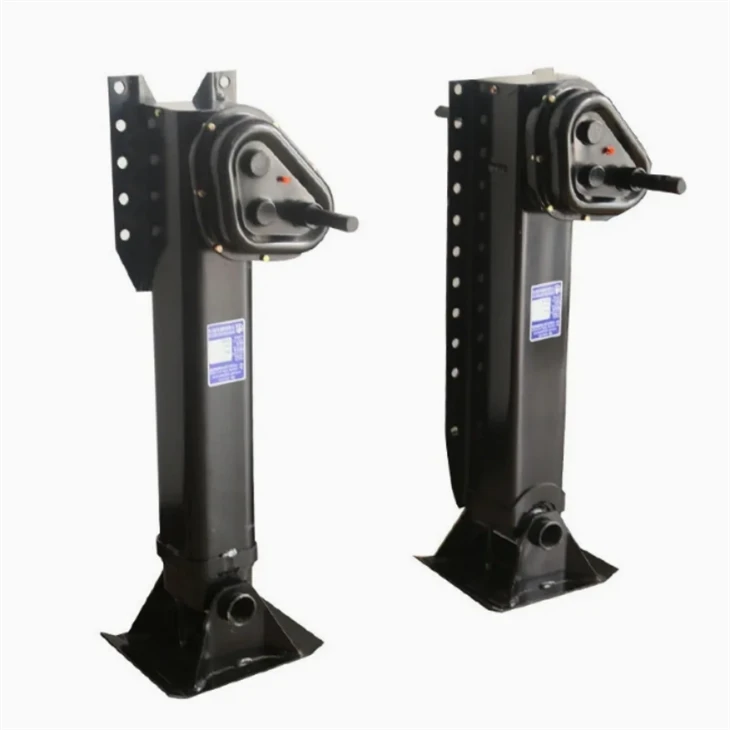
Are built-in aluminum legs lightweight? That's a question I get asked a lot as a supplier of built-in aluminum legs. And the short answer is yes, they are! But let's dive a bit deeper into why that is and what it means for you.
First off, let's talk about aluminum itself. Aluminum is a metal known for its low density. Compared to other common metals used in similar applications, like steel, aluminum weighs significantly less. For example, steel has a density of about 7.85 g/cm³, while aluminum has a density of around 2.7 g/cm³. That's a huge difference! This low density is what makes aluminum a great choice when weight is a concern.
When we're talking about built-in aluminum legs, this lightweight nature brings a whole bunch of benefits. One of the biggest advantages is in terms of transportation. If you're using these legs on trailers or other mobile equipment, every pound counts. Lighter legs mean less weight to haul around, which in turn can lead to better fuel efficiency. Trucks and trailers that are carrying less weight don't have to work as hard to move, so they use less fuel. This can save you a significant amount of money in the long run, especially if you're doing a lot of hauling.
Another benefit of the lightweight built-in aluminum legs is in terms of installation and handling. They're much easier to lift and maneuver compared to heavier alternatives. This means that your installation crew can get the job done faster and with less physical strain. It also reduces the risk of injuries on the job site, which is always a plus.
Now, you might be thinking, "Sure, they're lightweight, but are they strong enough?" The answer is yes. Aluminum has excellent strength-to-weight ratio. Modern manufacturing techniques allow us to create built-in aluminum legs that are incredibly strong and durable, even though they're lightweight. They can handle heavy loads and withstand the rigors of regular use. Whether you're using them for Landing Gear on a large trailer or for other industrial applications, you can trust that these legs will do the job.
Let's take a look at some real-world examples. In the trailer industry, built-in aluminum legs are becoming increasingly popular. Trailer manufacturers are always looking for ways to make their products more efficient and user-friendly. By using lightweight aluminum legs, they can reduce the overall weight of the trailer without sacrificing strength. This not only improves fuel efficiency but also allows the trailer to carry more payload. For example, a trailer with heavy steel legs might have a lower payload capacity because of the extra weight of the legs. But by switching to built-in aluminum legs, the trailer can carry more goods, which means more money for the owner.
In the industrial equipment sector, the lightweight nature of built-in aluminum legs is also a big advantage. Many industrial machines and structures need support legs, and having lightweight ones can make a big difference. They're easier to install and reposition, which is important in a dynamic industrial environment. Plus, if you need to move the equipment around, the lighter legs make the whole process much simpler.
But it's not just about the weight and strength. Aluminum is also resistant to corrosion. This means that the built-in aluminum legs will last a long time, even in harsh environments. You don't have to worry about rust and other forms of corrosion weakening the legs over time. This durability is another reason why aluminum is a great choice for built-in legs.
Now, let's talk about some of the other components that often go hand in hand with built-in aluminum legs. For example, Air Brake Tanks are an important part of many trailers and vehicles. These tanks store compressed air that is used to operate the brakes. Just like the built-in aluminum legs, it's beneficial to have lightweight air brake tanks. This can further reduce the overall weight of the vehicle and improve its performance.
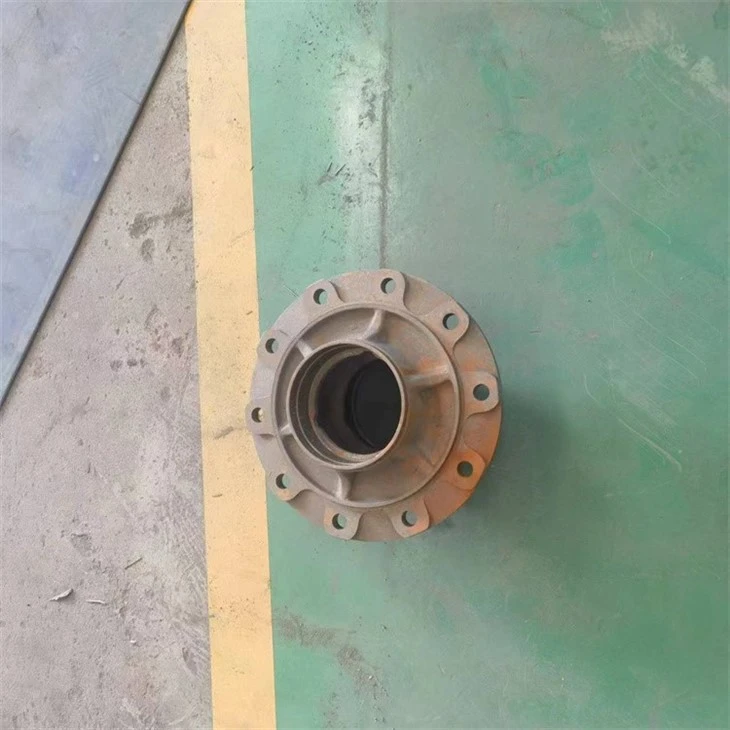
Another related component is the Axle Axle Head. The axle is a crucial part of any vehicle or trailer, and the axle head is where the wheels are attached. Having lightweight components in this area can also contribute to better fuel efficiency and handling.
As a supplier of built-in aluminum legs, I've seen firsthand the positive impact that these lightweight legs can have. I've worked with many customers in different industries, and they've all been impressed with the performance and benefits of our products. Whether you're a trailer manufacturer, an industrial equipment owner, or someone in need of high-quality support legs, I'm confident that our built-in aluminum legs are the right choice for you.
If you're interested in learning more about our built-in aluminum legs or if you have any questions, I encourage you to get in touch. We can discuss your specific needs and see how our products can fit into your operations. Whether you're looking to improve fuel efficiency, make installation easier, or just want a more durable and lightweight solution, we're here to help.
In conclusion, built-in aluminum legs are definitely lightweight, and this lightweight nature brings a whole host of benefits. From better fuel efficiency to easier installation and handling, these legs are a great choice for a wide range of applications. So, if you're in the market for support legs, give our built-in aluminum legs a try. You won't be disappointed.
References
- Material science textbooks on aluminum properties
- Industry reports on trailer and industrial equipment efficiency


