

When it comes to air suspension systems, one of the most pressing questions for many businesses and individuals is whether there are any legal requirements governing their use. As a seasoned air suspension supplier, I've encountered this query numerous times. In this blog post, I'll delve into the legal aspects of air suspension, sharing insights based on my industry experience and knowledge.
Understanding Air Suspension
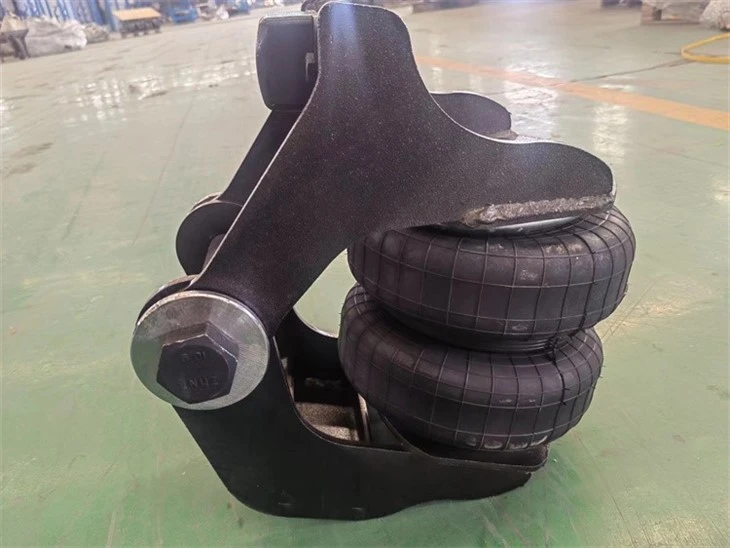
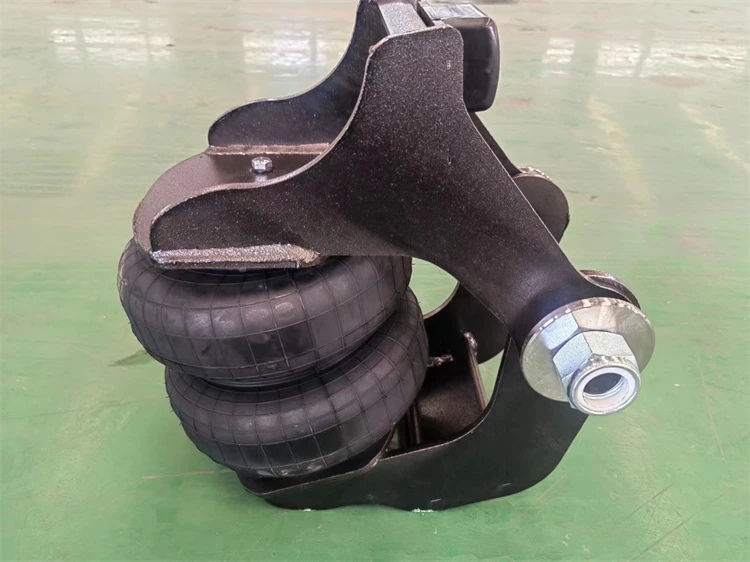
Before we jump into the legal requirements, let's briefly understand what air suspension is. Air suspension is a type of vehicle suspension powered by an electric or engine-driven air pump or compressor. This system uses air bags made of textile-reinforced rubber. Unlike traditional steel spring suspensions, air suspension offers a smoother ride, better handling, and the ability to adjust the vehicle's ride height. Our company offers a wide range of air suspension products, including Lifting Air Suspension, Heavy Machinery Suspension, and Air Suspension With Guide Arm.
Global Variations in Legal Requirements
Legal requirements for air suspension vary significantly from one country to another. In some regions, air suspension systems are subject to strict regulations, while in others, the rules are more lenient.
Europe
In Europe, the European Union (EU) has established a comprehensive set of regulations for vehicle safety and emissions. Air suspension systems must comply with these regulations to ensure the safety and environmental friendliness of vehicles. For example, the EU's Whole Vehicle Type Approval (WVTA) process requires that all vehicle components, including air suspension, meet specific safety and performance standards. This includes requirements for load capacity, durability, and the ability to maintain a stable ride height under various conditions.
North America
In North America, the United States and Canada have their own sets of regulations for vehicle safety. The National Highway Traffic Safety Administration (NHTSA) in the United States and Transport Canada in Canada are responsible for setting and enforcing these regulations. Air suspension systems must meet certain safety standards, such as those related to braking performance and vehicle stability. Additionally, some states and provinces may have their own specific requirements for air suspension, especially in terms of vehicle height and load capacity.
Asia
In Asia, legal requirements for air suspension also vary widely. Countries like Japan and South Korea have strict regulations for vehicle safety and emissions, similar to those in Europe and North America. In contrast, some developing countries in Asia may have less comprehensive regulations, but they are gradually adopting more stringent standards as they modernize their transportation infrastructure.
Specific Legal Aspects of Air Suspension
Let's take a closer look at some of the specific legal aspects that air suspension systems must comply with.
Safety Standards
Safety is the primary concern when it comes to air suspension regulations. Air suspension systems must be designed and manufactured to ensure the safety of the vehicle's occupants and other road users. This includes requirements for:
- Load Capacity: The air suspension must be able to support the maximum load specified for the vehicle. Overloading can lead to premature wear and failure of the suspension system, as well as increased risk of accidents.
- Ride Height: The vehicle's ride height must be within a certain range to ensure proper handling and stability. In some cases, there may be restrictions on how much the ride height can be adjusted.
- Braking Performance: The air suspension must not interfere with the vehicle's braking system. It should be designed to work in harmony with the brakes to ensure safe stopping distances.
Environmental Regulations
In addition to safety standards, air suspension systems may also be subject to environmental regulations. These regulations are aimed at reducing emissions and improving the environmental performance of vehicles. For example, some air suspension systems use air compressors that consume energy. In regions with strict emissions regulations, these compressors may need to meet certain energy efficiency standards.
Certification and Testing
To ensure compliance with legal requirements, air suspension systems must undergo rigorous testing and certification processes. This typically involves testing the suspension system in a laboratory environment to evaluate its performance under various conditions. The test results are then submitted to the relevant regulatory authorities for approval. Once approved, the air suspension system can be legally installed on vehicles.
The Importance of Compliance for Suppliers
As an air suspension supplier, compliance with legal requirements is not only a legal obligation but also a business necessity. Non-compliance can result in serious consequences, including:
- Legal Penalties: Suppliers who fail to comply with legal requirements may face fines, lawsuits, and even criminal charges.
- Reputation Damage: A reputation for non-compliance can damage a supplier's brand image and lead to loss of customers.
- Market Access Restrictions: Non-compliant products may be banned from certain markets, limiting the supplier's business opportunities.
At our company, we take compliance very seriously. We invest heavily in research and development to ensure that our air suspension systems meet the highest safety and environmental standards. We also work closely with regulatory authorities to stay up-to-date with the latest legal requirements and ensure that our products are always compliant.
Conclusion
In conclusion, there are indeed legal requirements for air suspension, and these requirements vary from one region to another. As an air suspension supplier, it is our responsibility to ensure that our products comply with these requirements to ensure the safety and environmental friendliness of vehicles. Whether you are a vehicle manufacturer, a fleet operator, or an individual looking to upgrade your vehicle's suspension, it is important to choose an air suspension supplier that is committed to compliance.
If you are interested in learning more about our air suspension products or have any questions about legal requirements, please feel free to contact us. We are always happy to assist you with your air suspension needs and help you make the right choice for your vehicle.
References
- European Union Whole Vehicle Type Approval (WVTA) regulations
- National Highway Traffic Safety Administration (NHTSA) regulations in the United States
- Transport Canada regulations
- Regulations of relevant Asian countries


