

As a disc brake axle supplier, I understand the importance of keeping these crucial components in top - notch condition. Disc brake axles are integral parts of many vehicles, ensuring efficient braking and safe operation. In this blog, I'll share some common repair methods for disc brake axles.
Inspection and Diagnosis
The first step in any repair process is a thorough inspection. Start by visually examining the disc brake axle. Look for signs of wear, such as uneven wear patterns on the brake discs. Uneven wear can be an indication of misaligned brake calipers or a problem with the brake pads. Check for any cracks or damage on the discs. Cracks can significantly reduce the braking efficiency and pose a serious safety risk.
Inspect the brake pads as well. Measure their thickness. If the pads are below the recommended thickness, they need to be replaced. Also, look for any signs of contamination, like oil or grease on the pads. Contaminated pads can lead to reduced friction and poor braking performance.
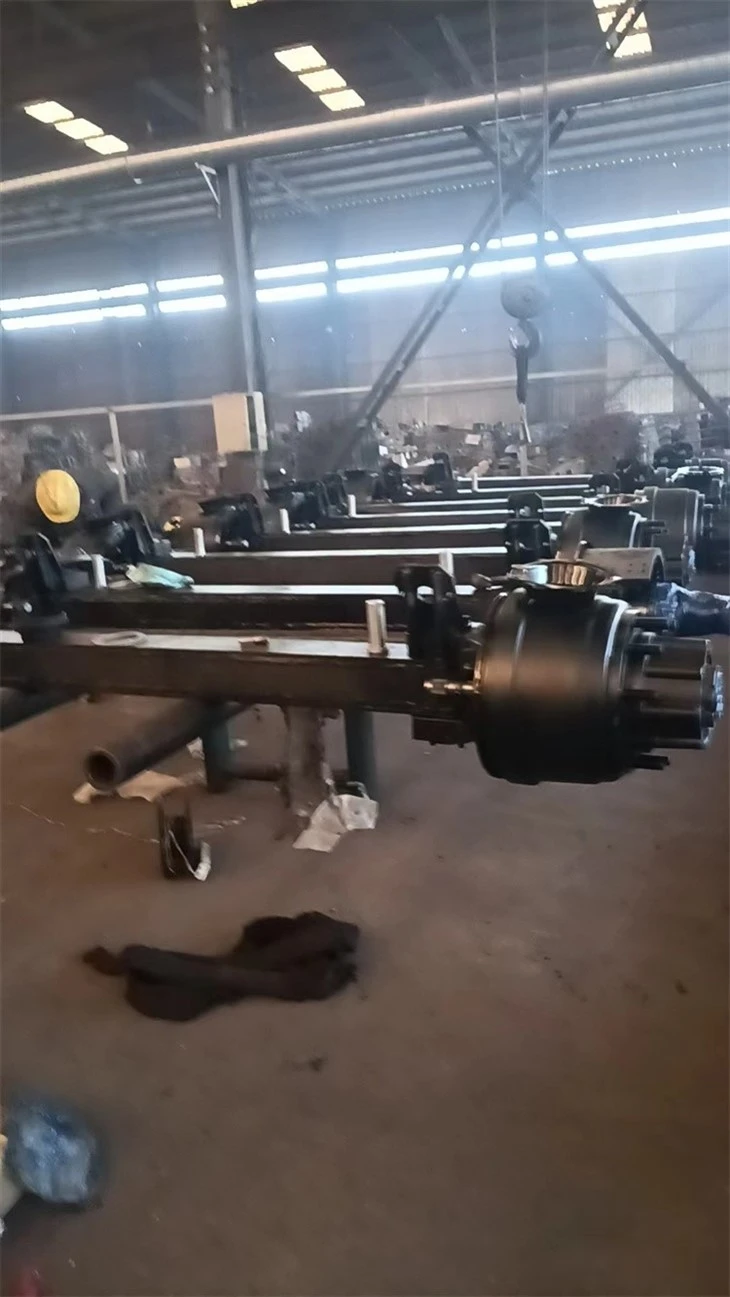
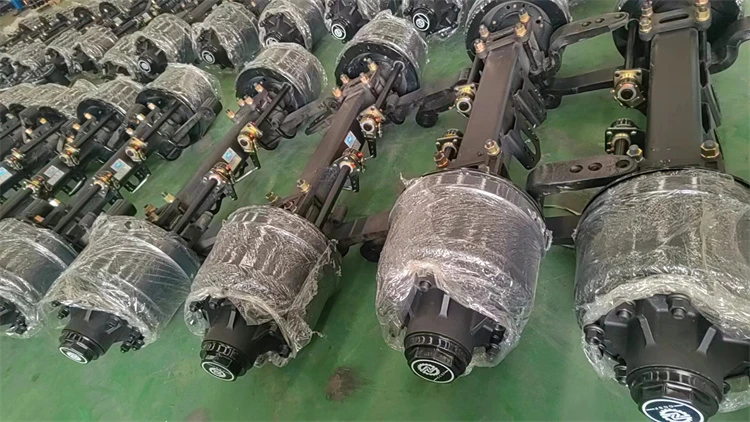
The brake calipers are another critical component to inspect. Check for leaks in the caliper pistons. A leaking caliper can cause uneven pressure on the brake pads, resulting in uneven wear and reduced braking effectiveness. Make sure the caliper slides freely. If it's stuck, it won't be able to apply the brake pads evenly, which can also lead to uneven wear.
The brake lines are also essential to examine. Look for any signs of corrosion, leaks, or damage. A damaged brake line can cause a loss of hydraulic pressure, which will severely affect the braking system. You can use a brake fluid pressure tester to check the integrity of the brake lines.
Repairing or Replacing Brake Pads
If the brake pads are worn out or contaminated, they need to be replaced. To replace the brake pads, first, you need to safely lift the vehicle and secure it on jack stands. Remove the wheel to access the brake caliper. Use a suitable tool to compress the caliper piston back into its housing. This is necessary to create enough space to install the new brake pads.
Once the piston is compressed, remove the old brake pads from the caliper. Clean the caliper and the mounting brackets to ensure there is no debris or rust. Install the new brake pads in the correct orientation. Make sure they fit snugly in the caliper. Re - attach the caliper and tighten the bolts to the manufacturer's specifications. Finally, reinstall the wheel and lower the vehicle.
Resurfacing or Replacing Brake Discs
If the brake discs have minor wear or scoring, they can often be resurfaced. Resurfacing involves using a lathe to remove a thin layer of metal from the surface of the disc, creating a smooth and even surface. However, there are limits to how much metal can be removed. If the disc is too thin after resurfacing or if it has deep cracks or severe damage, it must be replaced.
To resurface the brake discs, they need to be removed from the vehicle. A professional brake lathe operator will measure the thickness of the disc before and after resurfacing to ensure it stays within the manufacturer's specifications. After resurfacing, the discs should be cleaned thoroughly to remove any metal shavings. When reinstalling the discs, make sure they are properly seated on the hub and tightened to the correct torque.
Fixing Brake Caliper Issues
If the brake caliper is leaking, the seals need to be replaced. This is a more complex repair and often requires special tools. First, remove the caliper from the vehicle. Disassemble the caliper carefully, making sure to keep track of all the components. Replace the worn - out seals with new ones. Lubricate the new seals with brake fluid before installation. Reassemble the caliper and reinstall it on the vehicle.
If the caliper is stuck, it may be due to corrosion or dirt. You can try cleaning the caliper slides with a wire brush and a suitable cleaning agent. Lubricate the slides with a high - temperature brake lubricant. If the problem persists, the caliper may need to be replaced.
Repairing Brake Lines
If a brake line is damaged, it should be replaced immediately. Start by draining the brake fluid from the system. Use a flare nut wrench to remove the damaged brake line from the fittings. Make sure to note the routing of the old brake line so that the new one can be installed correctly.
When installing the new brake line, use the appropriate fittings and make sure they are tightened properly. After installing the new line, refill the brake fluid reservoir and bleed the brake system to remove any air bubbles. Bleeding the brake system is crucial to ensure proper hydraulic pressure and braking performance.
Importance of Quality Parts
As a disc brake axle supplier, I always emphasize the importance of using high - quality parts for repairs. Using sub - standard parts can lead to premature wear, reduced braking performance, and even safety hazards. For example, low - quality brake pads may not provide enough friction, which can increase the stopping distance of the vehicle.
When it comes to disc brake axles, you can also explore other related products that can enhance the overall performance of your vehicle. For instance, a Hydraulic Steering Axle can provide better steering control, especially in heavy - duty vehicles. A High Quality Concave Axle is designed to offer improved load - carrying capacity and durability. And a Drum Brake Bridge can be a reliable alternative in some applications.
Conclusion
Proper maintenance and repair of disc brake axles are crucial for the safety and performance of vehicles. By following the inspection, diagnosis, and repair methods outlined above, you can keep your disc brake axles in good working condition. If you're unsure about any aspect of the repair process, it's always advisable to consult a professional mechanic.
As a disc brake axle supplier, I'm committed to providing high - quality products and reliable solutions for your braking needs. If you're interested in purchasing disc brake axles or other related products, I encourage you to contact me for a detailed discussion. We can work together to find the best solutions for your specific requirements.
References
- "Automotive Brake Systems" - A comprehensive guide on automotive braking systems published by a leading automotive engineering institute.
- Manufacturer's manuals for various disc brake axles, which provide detailed information on inspection, maintenance, and repair procedures.
- Industry - specific technical articles on automotive braking systems from well - known automotive publications.


