

Air suspension systems have gained significant popularity in recent years, offering numerous advantages such as improved ride comfort, better handling, and load leveling capabilities. As a leading air suspension supplier, we understand that safety is a top concern for our customers. In this blog post, we will delve into the safety aspects of air suspension systems, addressing common questions and providing insights to help you make informed decisions.
Understanding Air Suspension Systems
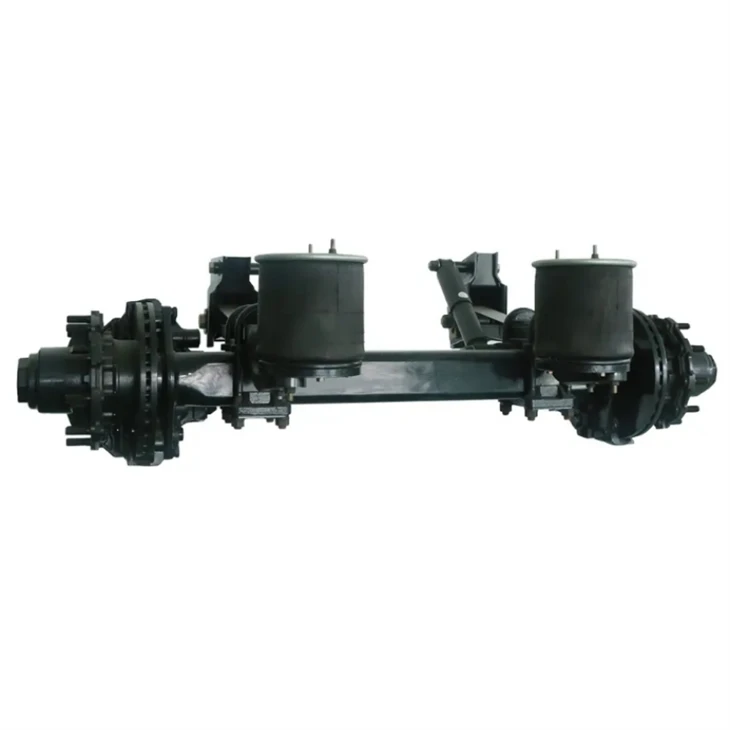
Before discussing safety concerns, it's essential to understand how air suspension systems work. An air suspension system typically consists of air springs, also known as air bags, which replace traditional steel springs. These air springs are filled with compressed air, allowing for adjustable ride height and stiffness. The system also includes an air compressor, valves, and sensors to control the air pressure in the air springs.
One of the key benefits of air suspension is its ability to adapt to different driving conditions and loads. For example, when carrying a heavy load, the system can increase the air pressure in the air springs to maintain a level ride height and prevent sagging. This not only improves the vehicle's stability but also reduces the risk of bottoming out, which can cause damage to the suspension components.
Safety Advantages of Air Suspension
There are several safety advantages associated with air suspension systems:
- Improved Ride Comfort: Air suspension provides a smoother ride by absorbing shocks and vibrations from the road surface. This reduces driver fatigue, especially on long trips, and allows for better concentration on the road. A more comfortable ride also means less stress on the vehicle's occupants, which can contribute to overall safety.
- Enhanced Handling: By maintaining a consistent ride height and adjusting the stiffness of the suspension, air suspension improves the vehicle's handling characteristics. This results in better traction, cornering stability, and braking performance. For example, in emergency situations, the system can quickly adjust the suspension to optimize the vehicle's response, reducing the risk of accidents.
- Load Leveling: Air suspension systems are designed to automatically adjust the ride height based on the load in the vehicle. This ensures that the vehicle remains level, even when carrying heavy or unevenly distributed loads. Load leveling helps to prevent excessive wear on the tires and suspension components, as well as improve the vehicle's stability and braking performance.
- Reduced Risk of Rollover: The ability of air suspension to adjust the ride height and stiffness can significantly reduce the risk of rollover. By lowering the vehicle's center of gravity and increasing the stability of the suspension, air suspension helps to keep the vehicle upright during sharp turns or sudden maneuvers.
Potential Safety Concerns
While air suspension systems offer many safety advantages, there are also some potential concerns that need to be addressed:
- Air Leaks: One of the most common issues with air suspension systems is air leaks. A leak in the air springs, valves, or air lines can cause the suspension to lose pressure, resulting in a lower ride height and reduced performance. If left unaddressed, air leaks can lead to uneven tire wear, poor handling, and even a complete failure of the suspension system. Regular maintenance and inspections are essential to detect and repair air leaks promptly.
- Compressor Failure: The air compressor is a critical component of the air suspension system, responsible for maintaining the proper air pressure in the air springs. If the compressor fails, the suspension may not be able to adjust the ride height or stiffness, which can affect the vehicle's safety. Compressor failure can be caused by a variety of factors, including overheating, electrical problems, or mechanical wear. Regular maintenance and proper use of the system can help to prevent compressor failure.
- Sensor Malfunction: Air suspension systems rely on sensors to monitor the ride height, air pressure, and other parameters. If a sensor malfunctions, the system may not be able to adjust the suspension correctly, leading to safety issues. Sensor malfunctions can be caused by electrical problems, dirt or debris, or physical damage. Regular inspections and calibration of the sensors are necessary to ensure their proper operation.
- Cost of Repairs: Air suspension systems are generally more complex and expensive to repair than traditional suspension systems. In the event of a failure, the cost of replacement parts and labor can be significant. This can be a concern for some customers, especially those on a tight budget. However, it's important to note that the long-term benefits of air suspension, such as improved safety and performance, often outweigh the initial cost.
Mitigating Safety Concerns
As an air suspension supplier, we take safety very seriously and are committed to providing our customers with high-quality products and services. To mitigate the potential safety concerns associated with air suspension systems, we recommend the following:
- Regular Maintenance: Regular maintenance is essential to keep your air suspension system in good working condition. This includes checking the air pressure in the air springs, inspecting the air lines and valves for leaks, and servicing the compressor and sensors as recommended by the manufacturer. By following a regular maintenance schedule, you can detect and address any issues before they become major problems.
- Quality Products: When purchasing an air suspension system, it's important to choose a reputable supplier that offers high-quality products. Look for systems that are designed and manufactured to meet or exceed industry standards and come with a warranty. At our company, we use only the highest quality materials and components in our air suspension systems, ensuring their reliability and durability.
- Professional Installation: Proper installation of the air suspension system is crucial for its safe and effective operation. We recommend having the system installed by a qualified technician who has experience working with air suspension systems. A professional installer will ensure that the system is installed correctly, calibrated properly, and tested thoroughly before putting the vehicle back on the road.
- Driver Education: It's important for drivers to understand how the air suspension system works and how to use it safely. This includes knowing how to adjust the ride height and stiffness, as well as being aware of the potential safety concerns associated with the system. We provide our customers with detailed user manuals and training materials to help them get the most out of their air suspension systems.
Conclusion
In conclusion, air suspension systems offer many safety advantages, including improved ride comfort, enhanced handling, load leveling, and reduced risk of rollover. While there are some potential safety concerns associated with air suspension, these can be mitigated through regular maintenance, the use of quality products, professional installation, and driver education.
As a leading air suspension supplier, we are dedicated to providing our customers with the highest quality products and services. Our Air Suspension systems are designed to meet the needs of a wide range of applications, from light-duty vehicles to Heavy Machinery Suspension. We also offer Air Suspension With Guide Arm for enhanced stability and performance.

If you have any questions or concerns about air suspension safety, or if you are interested in purchasing an air suspension system for your vehicle, please contact us. Our team of experts is here to help you make the right decision and ensure your safety on the road.
References
- SAE International. (Year). SAE JXXXX - Air Suspension System Design and Testing Standards.
- Vehicle Dynamics Institute. (Year). Research on the Safety Benefits of Air Suspension Systems.
- Manufacturer's Manuals for Air Suspension Systems.


