

Can a damaged linkage leg be repaired? This is a question that often comes up among those in the trailer and heavy - equipment industry. As a supplier of linkage legs, I've encountered this query numerous times from customers, ranging from small - scale haulers to large - scale logistics companies. In this blog, I'll delve into the topic, exploring the feasibility of repairing a damaged linkage leg, the factors to consider, and the best practices.
Understanding the Linkage Leg
Before discussing repair possibilities, it's important to understand what a linkage leg is. A Linkage Leg is a crucial component in trailers. It provides support to the trailer when it's detached from the towing vehicle. The linkage leg is designed to withstand significant weight and stress, ensuring the stability of the trailer during loading, unloading, and storage.
The linkage leg typically consists of a series of mechanical linkages, a gearbox, and a support leg. These parts work in harmony to lift and lower the trailer. Given its complexity and the heavy - duty nature of its use, damage can occur over time. Common causes of damage include overloading, improper use, corrosion, and wear and tear.
Assessing the Damage
The first step in determining if a damaged linkage leg can be repaired is to conduct a thorough assessment. Minor damages, such as surface scratches or small dents, are often easy to address. These can usually be repaired by simple cosmetic fixes, like sanding and repainting to prevent further corrosion.
However, more severe damage requires a closer look. If the gearbox has failed, it could be due to worn - out gears or a broken drive shaft. In such cases, the repair process can be more involved. A skilled technician would need to disassemble the gearbox, identify the faulty parts, and replace them.
Another common area of damage is the support leg itself. If it's bent or cracked, it may compromise the structural integrity of the linkage leg. A bent leg can be straightened in some cases, but if the metal has been severely deformed, replacement might be the only option.
Feasibility of Repair
The feasibility of repairing a damaged linkage leg depends on several factors. Cost is a major consideration. Repairing a linkage leg can be expensive, especially if multiple components need to be replaced. In some cases, the cost of repair may approach or even exceed the cost of a new linkage leg.

Time is another factor. A complex repair can take a significant amount of time, which could lead to downtime for the trailer. For businesses that rely on their trailers for daily operations, this downtime can translate into lost revenue.
The availability of parts also plays a role. If the damaged parts are common and readily available, the repair process can be relatively quick and straightforward. However, if the parts are rare or obsolete, it may be difficult or impossible to source them, making repair unfeasible.
Repair vs. Replacement
When deciding between repair and replacement, it's essential to weigh the pros and cons. Repairing a damaged linkage leg can be a cost - effective solution if the damage is minor. It also allows you to keep using the existing equipment, which can be beneficial if you're attached to a particular brand or model.
On the other hand, replacing the linkage leg offers several advantages. A new linkage leg comes with a warranty, providing peace of mind. It also ensures that you have a fully functional and reliable component, reducing the risk of future breakdowns.
In some cases, it may be a combination of both repair and replacement. For example, if only a few parts of the linkage leg are damaged, you can replace those parts while keeping the rest of the unit intact.
Best Practices for Repair
If you decide to repair a damaged linkage leg, there are several best practices to follow. First, always hire a qualified technician. Repairing a linkage leg requires specialized knowledge and skills. An inexperienced technician may make the problem worse or fail to address all the underlying issues.
Second, use high - quality replacement parts. Using substandard parts can lead to premature failure and further damage. As a supplier, I always recommend using parts that meet or exceed the original equipment manufacturer (OEM) specifications.
Finally, perform regular maintenance on the repaired linkage leg. This includes lubricating the moving parts, checking for loose bolts, and inspecting for signs of wear and tear. Regular maintenance can extend the lifespan of the linkage leg and prevent future damage.
Related Trailer Components
While discussing the repair of linkage legs, it's also important to mention other critical trailer components. Air Brake Chamber and Axle Brake Pads are two such components that play a vital role in the safety and performance of trailers.
The air brake chamber is responsible for converting compressed air into mechanical force to apply the brakes. Like the linkage leg, it can also suffer from damage due to wear and tear, corrosion, or improper use. Minor leaks in the air brake chamber can often be repaired by replacing the seals, while more severe damage may require a complete replacement.
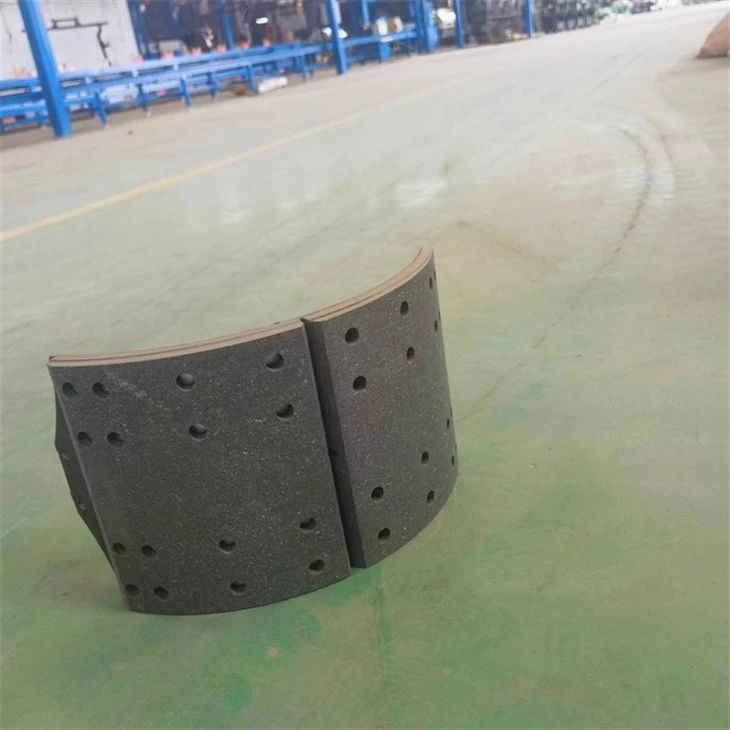
Axle brake pads are essential for stopping the trailer. Over time, they wear down and need to be replaced. Regular inspection of the axle brake pads is crucial to ensure safe operation. If the brake pads are worn beyond the recommended thickness, they should be replaced immediately.
Conclusion
In conclusion, whether a damaged linkage leg can be repaired depends on the extent of the damage, cost, time, and availability of parts. Minor damages can often be repaired, while more severe damage may require replacement. When making the decision, it's important to consider the long - term implications and the impact on your business operations.
As a supplier of linkage legs and other trailer accessories, I'm here to assist you in making the right choice. If you're facing a damaged linkage leg or need advice on trailer component repair and replacement, I encourage you to reach out for a consultation. Our team of experts can provide you with detailed information and help you find the most cost - effective and reliable solutions for your trailer needs.
References
- "Trailer Component Handbook" - Industry - wide guide on trailer parts and maintenance.
- Manufacturer's manuals for linkage legs, air brake chambers, and axle brake pads.