
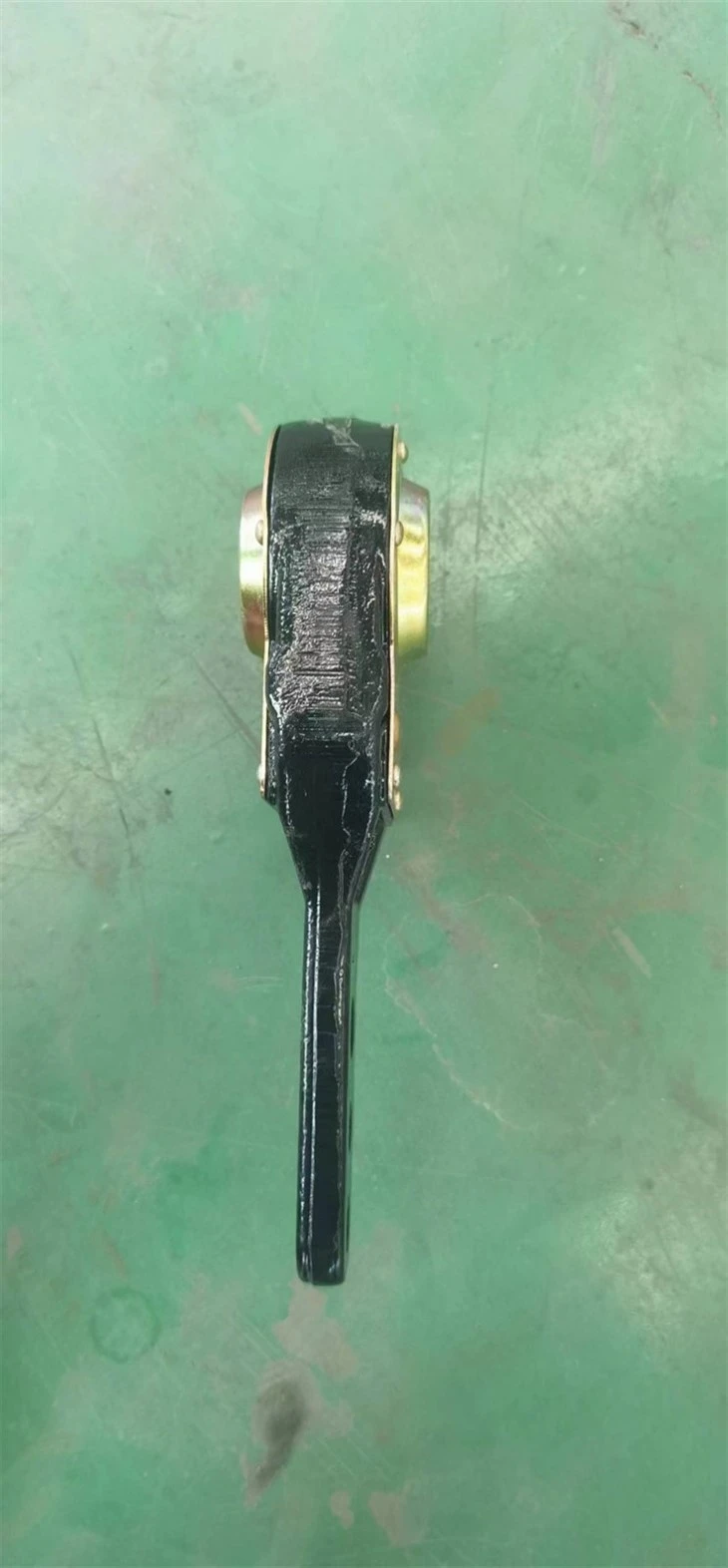
As a dedicated supplier of axle axle heads, I understand the critical role that the smoothness of an axle axle head surface plays in the overall performance and longevity of axles. In this blog post, I will share some valuable insights and practical strategies on how to ensure the smoothness of an axle axle head surface.
Understanding the Importance of Surface Smoothness
The smoothness of an axle axle head surface is not just about aesthetics; it has far - reaching implications for the functionality of the axle. A smooth surface reduces friction between the axle and other components such as bearings. When friction is minimized, there is less wear and tear on the parts, which in turn extends the service life of the axle. Additionally, a smooth surface helps to distribute loads evenly, preventing stress concentrations that can lead to premature failure of the axle.

Material Selection
The first step in ensuring a smooth axle axle head surface starts with the right material selection. High - quality steel is often the material of choice for axle axle heads due to its strength, durability, and machinability. When choosing steel, it is essential to consider factors such as its carbon content, alloying elements, and heat - treatment properties. For example, steels with a proper balance of carbon and alloying elements can be heat - treated to achieve the desired hardness and toughness, which are crucial for maintaining a smooth surface under various operating conditions.
Precision Machining
Precision machining is the cornerstone of achieving a smooth axle axle head surface. Computer - Numerical - Control (CNC) machining has revolutionized the manufacturing process, allowing for high - precision cuts and finishes. During the machining process, it is important to use sharp cutting tools and optimize cutting parameters such as cutting speed, feed rate, and depth of cut. A high - speed, low - feed cutting strategy can often result in a smoother surface finish.
Moreover, multiple machining operations may be required to achieve the desired smoothness. Rough machining is first used to remove the bulk of the material, followed by semi - finishing and finishing operations. Each operation should be carefully planned to ensure that the surface roughness gradually decreases with each step.
Surface Treatment
After machining, surface treatment processes can further enhance the smoothness and performance of the axle axle head surface. One common surface treatment is grinding. Grinding is a finishing process that uses an abrasive wheel to remove a small amount of material from the surface, resulting in a very smooth finish. The choice of grinding wheel, grinding parameters, and coolant also play important roles in achieving the desired surface quality.
Another effective surface treatment is polishing. Polishing can be done using various methods, such as mechanical polishing, chemical polishing, or electro - polishing. Mechanical polishing uses abrasive compounds to smooth the surface, while chemical and electro - polishing rely on chemical reactions to remove surface irregularities. These processes can significantly reduce surface roughness and improve the overall appearance of the axle axle head.
Quality Control
Quality control is an essential part of ensuring the smoothness of an axle axle head surface. Non - destructive testing methods such as ultrasonic testing, magnetic particle testing, and eddy - current testing can be used to detect surface defects such as cracks, porosity, and inclusions. These defects, if left undetected, can compromise the smoothness and integrity of the surface.
In addition to non - destructive testing, surface roughness measurement is a key quality control parameter. Surface roughness is typically measured using profilometers, which can provide accurate information about the surface texture. By setting strict surface roughness specifications and regularly monitoring the surface quality during the manufacturing process, we can ensure that the axle axle heads meet the highest standards of smoothness.
Assembly and Installation Considerations
Even after the axle axle head has been manufactured with a smooth surface, proper assembly and installation are crucial to maintain its smoothness. During assembly, it is important to clean all components thoroughly to prevent the introduction of contaminants that can scratch the surface. Additionally, the use of appropriate lubricants can help to reduce friction and protect the surface during operation.
When installing the axle, care should be taken to ensure that it is properly aligned. Misalignment can cause uneven loading on the axle axle head, leading to increased wear and a loss of surface smoothness over time.
Complementary Trailer Accessories
In the trailer industry, axle axle heads work in conjunction with various other components. For example, Axle Adjusting Arm is an important accessory that can be used to fine - tune the position and alignment of the axle, which indirectly affects the smoothness of the axle axle head surface. Similarly, Semi - trailer King Pin plays a vital role in the connection between the tractor and the semi - trailer, and proper installation and maintenance of the king pin can contribute to the overall stability and smooth operation of the axle. Another relevant accessory is the Linkage Leg, which helps to support the trailer and maintain its balance, reducing the stress on the axle and ensuring a smoother surface operation.
Conclusion
Ensuring the smoothness of an axle axle head surface is a multi - faceted process that involves careful material selection, precision machining, surface treatment, quality control, and proper assembly and installation. By paying attention to every detail in the manufacturing and application process, we can provide high - quality axle axle heads that offer excellent performance and reliability.
If you are in the market for high - quality axle axle heads or have any questions about ensuring surface smoothness, I encourage you to reach out to me for more information and to discuss potential procurement opportunities. I am committed to providing the best products and services to meet your needs.
References
- Kalpakjian, S., & Schmid, S. R. (2009). Manufacturing Engineering and Technology. Pearson Prentice Hall.
- Trent, E. M., & Wright, P. K. (2000). Metal Cutting. Butterworth - Heinemann.
- ISO 4287:1997 Geometrical Product Specifications (GPS) - Surface texture: Profile method - Terms, definitions and surface texture parameters.


