

In the realm of high - speed vehicle technology, the choice of axles and braking systems is of paramount importance. As a disc brake axle supplier, I often encounter inquiries regarding the suitability of disc brake axles for high - speed vehicles. This blog aims to delve into this topic, analyzing the technical aspects, advantages, and potential challenges associated with using disc brake axles in high - speed applications.
Technical Fundamentals of Disc Brake Axles
Disc brake axles operate on a relatively straightforward yet effective principle. When the brake pedal is depressed, hydraulic pressure is generated, which forces brake pads against a rotating disc (or rotor) attached to the wheel. The friction between the pads and the disc slows down the rotation of the wheel, ultimately bringing the vehicle to a halt.
Compared to Drum Brake Bridge, disc brake axles offer several distinct advantages. Drum brakes rely on brake shoes that press against the inside of a drum. This design can lead to issues such as overheating, reduced braking efficiency due to drum expansion, and longer braking distances. In contrast, disc brake axles have better heat dissipation capabilities. The open design of the disc allows air to flow around it, quickly dissipating the heat generated during braking. This is especially crucial for high - speed vehicles, as frequent and intense braking can generate a significant amount of heat.
Advantages of Using Disc Brake Axles in High - Speed Vehicles
1. Superior Braking Performance
High - speed vehicles require a braking system that can provide reliable and consistent stopping power. Disc brake axles offer excellent initial bite, meaning they can quickly generate a large amount of braking force. This is essential when a high - speed vehicle needs to make an emergency stop. For example, in a high - speed chase scenario or when suddenly encountering an obstacle on the road, the ability to stop the vehicle rapidly can prevent serious accidents.
Moreover, disc brake axles are less prone to brake fade. Brake fade occurs when the braking system loses its effectiveness due to overheating. In high - speed driving, repeated hard braking can cause the temperature of the braking components to rise sharply. With disc brake axles, the efficient heat dissipation design helps maintain consistent braking performance even under extreme conditions.
2. Responsiveness
Another advantage of disc brake axles is their high level of responsiveness. The hydraulic system used in disc brakes allows for precise control of the braking force. This means that the driver can apply the brakes with just the right amount of pressure, depending on the driving situation. In high - speed driving, where split - second decisions are often required, this responsiveness can make a significant difference. For instance, when entering a high - speed corner, the driver can use the disc brakes to adjust the speed of the vehicle smoothly, maintaining better control and stability.
3. Compatibility with Advanced Safety Systems
Modern high - speed vehicles are often equipped with advanced safety systems such as anti - lock braking systems (ABS), electronic stability control (ESC), and traction control. Disc brake axles are highly compatible with these systems. ABS, for example, works by modulating the braking pressure on each wheel to prevent wheel lock - up during braking. The precise control of braking force provided by disc brake axles makes it easier for the ABS system to function effectively. This helps the vehicle maintain steering control while braking, reducing the risk of skidding and improving overall safety.
Potential Challenges and Mitigations
1. Cost
One of the main challenges associated with disc brake axles is their relatively high cost compared to other types of axles, such as drum brake axles. The manufacturing process of disc brake axles involves more complex components and precise engineering. However, for high - speed vehicles, the benefits of using disc brake axles often outweigh the cost. In the long run, the enhanced safety and performance can lead to reduced maintenance costs and fewer accidents, which can offset the initial investment.
2. Maintenance Requirements
Disc brake axles require regular maintenance to ensure optimal performance. The brake pads need to be replaced periodically, and the discs may also need to be resurfaced or replaced if they become worn or damaged. However, with proper maintenance schedules and the use of high - quality replacement parts, these maintenance requirements can be managed effectively. As a disc brake axle supplier, we can provide customers with detailed maintenance guides and high - quality replacement parts to ensure the longevity and reliability of our products.
3. Environmental Factors
In some harsh environmental conditions, such as extreme cold or wet weather, disc brake axles may face certain challenges. In cold weather, the brake pads may become less effective until they reach an optimal operating temperature. In wet conditions, water can reduce the friction between the brake pads and the discs, affecting braking performance. However, modern disc brake axles are designed with features to mitigate these issues. For example, some discs have special grooves or holes that help disperse water quickly, improving braking performance in wet conditions.
Comparison with Other Axle Types for High - Speed Vehicles
1. Drum Brake Bridge
As mentioned earlier, Drum Brake Bridge has several limitations when it comes to high - speed applications. The enclosed design of drum brakes makes them more susceptible to heat build - up and brake fade. In high - speed driving, where frequent and intense braking is common, drum brakes may not be able to provide the same level of performance and reliability as disc brake axles.
2. Hydraulic Steering Axle
Hydraulic Steering Axle is mainly focused on steering functionality. While it is an important component in high - speed vehicles, it does not directly relate to the braking performance. However, in combination with disc brake axles, a hydraulic steering axle can enhance the overall handling and control of the vehicle. The precise steering control provided by a hydraulic steering axle allows the driver to maneuver the vehicle more effectively, especially when combined with the superior braking performance of disc brake axles.
3. High Quality German Axle
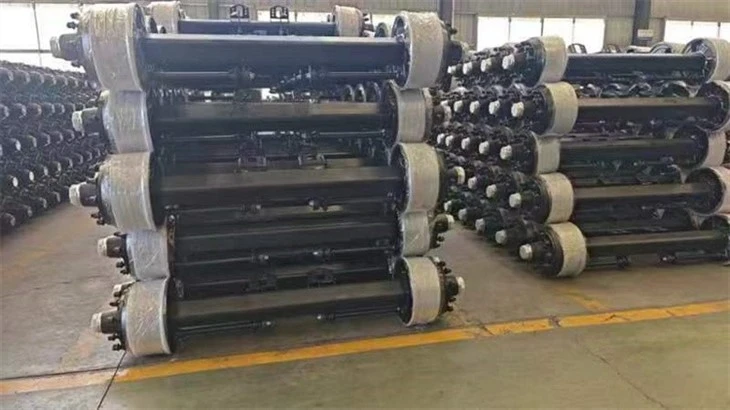
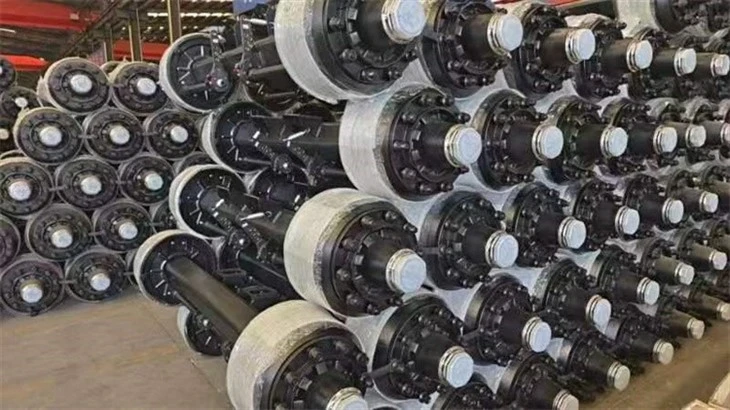
High Quality German Axle is known for its excellent engineering and high - performance standards. Some German axles may incorporate disc brake technology. When considering high - speed vehicles, the combination of high - quality German engineering and disc brake axles can offer exceptional performance and reliability. German axles often use advanced materials and manufacturing processes, which can further enhance the performance of disc brake axles.
Conclusion
In conclusion, disc brake axles are highly suitable for high - speed vehicles. Their superior braking performance, responsiveness, and compatibility with advanced safety systems make them an ideal choice for ensuring the safety and performance of high - speed vehicles. Although they come with some challenges such as cost and maintenance requirements, these can be effectively managed.
As a disc brake axle supplier, we are committed to providing high - quality products that meet the demanding requirements of high - speed vehicle applications. Our disc brake axles are designed and manufactured using the latest technology and highest quality materials to ensure optimal performance and reliability.
If you are in the market for disc brake axles for your high - speed vehicles, we invite you to contact us for more information and to discuss your specific requirements. We look forward to working with you to provide the best disc brake axle solutions for your high - speed vehicle needs.
References
- "Automotive Braking Systems: Fundamentals, Modeling and Control" by J. Crolla.
- "High - Speed Vehicle Dynamics" by D. Crolla.
- Industry reports on automotive axle technology and high - speed vehicle safety.


