

When it comes to braking systems in heavy - duty vehicles and trailers, two prominent options are air brake chambers and hydraulic brakes. As a supplier of air brake chambers, I've seen firsthand the numerous advantages that air brake chambers offer over their hydraulic counterparts. In this blog post, I'll delve into these benefits and explain why air brake chambers are a superior choice for many applications.
1. Safety
One of the most significant advantages of air brake chambers is their safety features. Air brakes are designed in a way that if there is a loss of air pressure, the brakes will automatically engage. This is a fail - safe mechanism that provides an extra layer of security on the road. For example, in the event of a hose rupture or a compressor failure, the brakes will apply, helping to prevent a runaway vehicle situation.
On the other hand, hydraulic brakes rely on a fluid - based system. If there is a leak in the hydraulic lines, the brake performance can be severely compromised. A small leak can lead to a significant loss of braking power, and in extreme cases, complete brake failure. This lack of a reliable fail - safe mechanism makes hydraulic brakes less safe in high - stress situations.
2. Durability
Air brake chambers are built to withstand harsh conditions. They are typically made from high - quality materials such as cast iron or aluminum, which are resistant to corrosion and wear. These materials can endure the rigors of heavy - duty use, including exposure to dirt, water, and extreme temperatures.
Hydraulic brakes, however, are more susceptible to damage. The hydraulic fluid can absorb moisture over time, which can lead to corrosion within the brake system. Additionally, the seals in hydraulic brakes are prone to wear and tear, and if they fail, it can cause leaks and reduce the effectiveness of the brakes.
3. Performance in Large Vehicles
Air brake chambers are better suited for large vehicles and trailers. They can generate a greater amount of braking force compared to hydraulic brakes. This is crucial for vehicles that carry heavy loads, as they require more stopping power.
For instance, in semi - trailers, air brake chambers can distribute the braking force evenly across all wheels. This even distribution helps to prevent skidding and ensures a more controlled stop. In contrast, hydraulic brakes may struggle to provide sufficient force for large vehicles, leading to longer stopping distances and potentially dangerous situations.
4. Ease of Maintenance
Maintaining air brake chambers is relatively straightforward. Regular inspections typically involve checking the air pressure, looking for leaks in the air lines, and ensuring that the brake chambers are functioning properly. If a component needs to be replaced, it can usually be done quickly and easily.
Hydraulic brakes, on the other hand, require more complex maintenance. Checking the hydraulic fluid level, bleeding the brakes to remove air bubbles, and replacing worn seals are all tasks that require a certain level of expertise. Moreover, if there is a problem with the hydraulic system, it can be more difficult to diagnose and repair compared to air brake systems.
5. Compatibility with Other Systems
Air brake systems can be easily integrated with other safety and control systems. For example, they can be connected to anti - lock braking systems (ABS), which help to prevent wheel lock - up during braking. ABS can significantly improve the safety of the vehicle, especially in slippery conditions.
Hydraulic brakes may face challenges when it comes to integrating with advanced safety systems. The design and operation of hydraulic systems may not be as compatible with some of the modern safety technologies available today.
6. Cost - Effectiveness in the Long Run
Although the initial cost of installing an air brake system may be higher than a hydraulic brake system, air brake chambers offer better long - term cost - effectiveness. Due to their durability and lower maintenance requirements, the overall cost of ownership is often lower.
Over time, the savings from reduced maintenance and fewer replacement parts can offset the initial investment. In contrast, hydraulic brakes may require more frequent repairs and part replacements, which can add up to a significant cost over the life of the vehicle.
7. Versatility
Air brake chambers can be used in a wide range of applications. They are commonly found in trucks, buses, trailers, and other heavy - duty vehicles. Their adaptability makes them a popular choice for various industries.
Hydraulic brakes are more limited in their applications. They are typically used in smaller vehicles and some light - duty equipment, but they may not be suitable for the demanding requirements of large - scale transportation.
Related Trailer Accessories
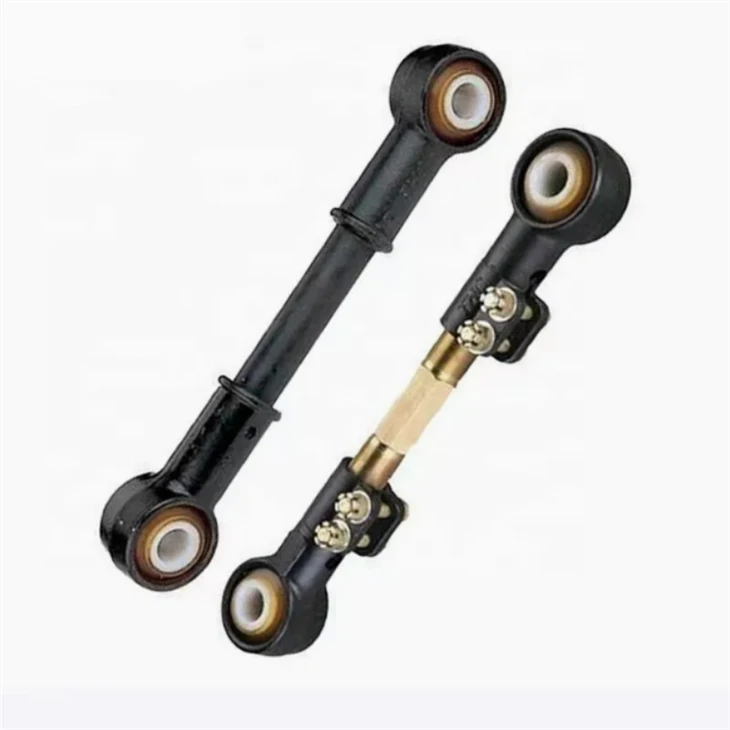
If you're in the market for air brake chambers or other trailer accessories, we also offer a range of high - quality products. Check out our American Suspension Pull Rod, Built - in Aluminum Legs, and Semi - trailer King Pin. These accessories are designed to complement your air brake system and enhance the performance of your trailer.

Conclusion
In conclusion, the advantages of using air brake chambers over hydraulic brakes are clear. From safety and durability to performance and ease of maintenance, air brake chambers offer a superior solution for many applications, especially in large vehicles and heavy - duty use.
If you're considering upgrading your braking system or are in the market for a new one, I encourage you to reach out. We're here to provide you with the best air brake chambers and expert advice. Contact us to discuss your specific needs and start the procurement process.
References
- SAE International. (20XX). Standards for Heavy - Duty Vehicle Braking Systems.
- Brake Manufacturers Council. (20XX). Best Practices for Brake System Maintenance.
- Automotive Research Association of India. (20XX). Comparative Study of Air and Hydraulic Brakes in Commercial Vehicles.


