

Can a drum brake bridge be used in public transportation vehicles?
As a supplier of drum brake bridges, I often encounter this question from potential customers in the public transportation industry. This blog post aims to explore the feasibility of using drum brake bridges in public transportation vehicles, weighing their advantages and disadvantages, and comparing them with alternative braking systems.
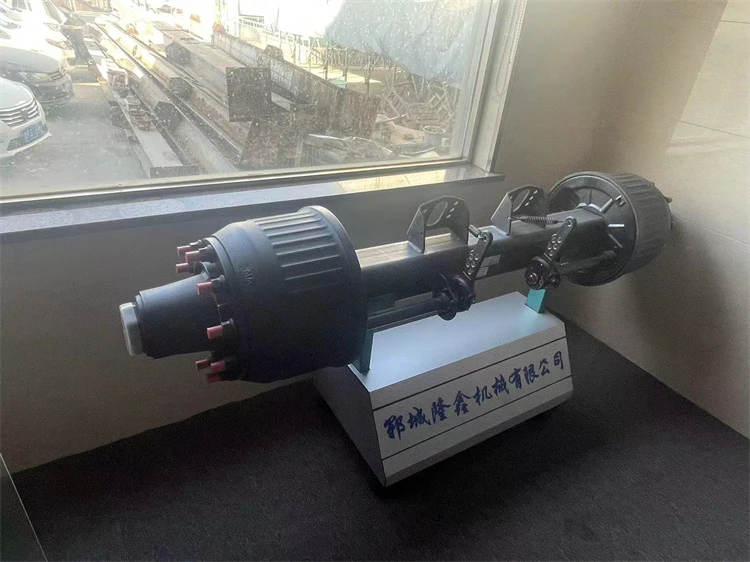
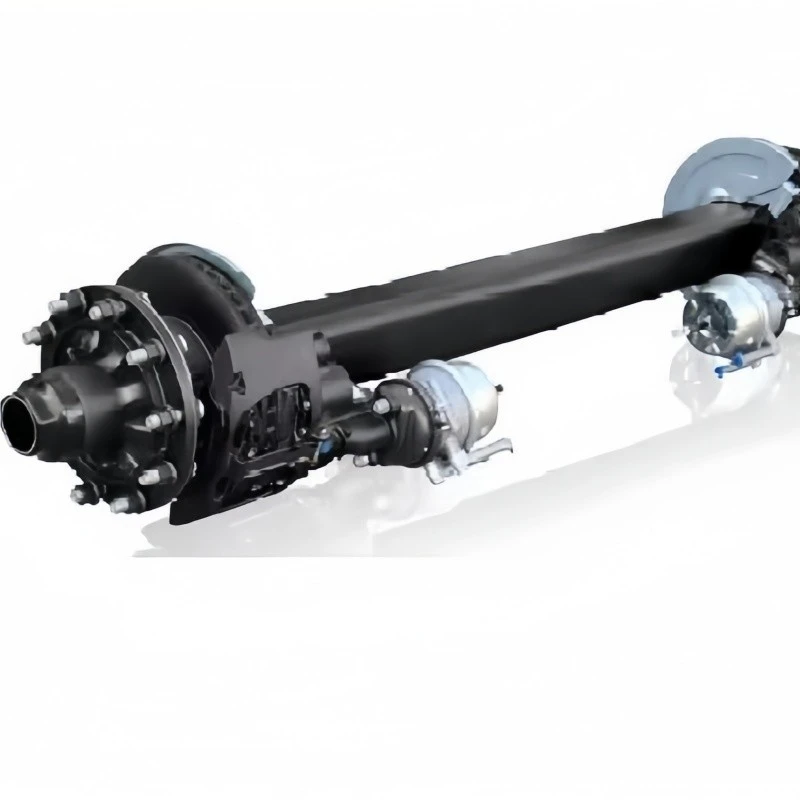
Understanding Drum Brake Bridges
Before delving into their suitability for public transportation, it's important to understand what a drum brake bridge is. A Drum Brake Bridge is a type of axle assembly that incorporates drum brakes. Drum brakes work by using brake shoes that press against the inner surface of a rotating drum to create friction, which in turn slows down or stops the vehicle. This design has been around for a long time and has been used in a wide range of vehicles, from passenger cars to commercial trucks.
Advantages of Drum Brake Bridges in Public Transportation
- Cost - effectiveness
One of the most significant advantages of drum brake bridges is their cost - effectiveness. Public transportation operators are often under pressure to keep their costs down, and drum brake bridges are generally less expensive to manufacture and purchase compared to other braking systems, such as disc - brake axles. This lower upfront cost can be a major factor for operators with limited budgets, especially when equipping a large fleet of vehicles. - Reliability in Certain Conditions
Drum brake bridges can be quite reliable in certain operating conditions. They are well - suited for applications where the vehicle operates at relatively low speeds and has infrequent braking requirements. In urban public transportation, where buses may make frequent stops but at low speeds, drum brakes can provide adequate stopping power. Additionally, the enclosed design of drum brakes protects the braking components from dirt, water, and other contaminants, which can help extend their service life in harsh environments. - Simplicity of Design and Maintenance
The design of drum brake bridges is relatively simple compared to other braking systems. This simplicity translates into easier maintenance and repair. Mechanics who are familiar with traditional drum brake systems can quickly diagnose and fix problems, reducing downtime for the vehicle. Moreover, the availability of spare parts for drum brakes is generally high, which means that replacement parts can be sourced quickly and at a reasonable cost.
Disadvantages of Drum Brake Bridges in Public Transportation
- Heat Dissipation Issues
One of the main drawbacks of drum brake bridges is their poor heat dissipation. When the brakes are applied repeatedly, such as during long descents or in heavy traffic, the heat generated can build up inside the drum. This excessive heat can cause the brake shoes to expand, leading to a loss of braking efficiency, a phenomenon known as brake fade. In public transportation, where vehicles may be required to make frequent stops, especially on hilly routes, this heat - related issue can be a significant safety concern. - Slower Response Time
Drum brake bridges typically have a slower response time compared to disc - brake axles. The mechanical linkages and the way the brake shoes engage with the drum take longer to build up braking force. In emergency situations, where a rapid and strong braking response is crucial, this slower response time can increase the stopping distance of the vehicle, posing a risk to passengers and other road users. - Limited Braking Power for Heavy - Duty Applications
As public transportation vehicles are often large and heavy, they require a significant amount of braking power to stop safely. Drum brake bridges may not be able to provide the same level of braking force as disc - brake axles, especially for larger buses or vehicles that carry a high number of passengers. This limited braking power can make it more difficult to control the vehicle, particularly when operating at higher speeds or in adverse weather conditions.
Comparison with Alternative Braking Systems
- Disc - Brake Axles
Disc - Brake Axle systems offer several advantages over drum brake bridges. They have better heat dissipation capabilities, which means they are less prone to brake fade. Disc brakes also have a faster response time, providing more immediate and precise braking. Additionally, they generally offer higher braking power, making them more suitable for heavy - duty public transportation vehicles. However, disc - brake axles are more expensive to purchase and maintain, and they require more specialized knowledge for repair. - High - Quality German Axles
High Quality German Axle are known for their advanced engineering and high - performance standards. These axles often incorporate the latest braking technologies, such as advanced disc - brake systems. They offer superior braking performance, reliability, and durability. However, the cost of high - quality German axles is typically much higher than that of drum brake bridges, which may not be feasible for all public transportation operators.
Conclusion
So, can a drum brake bridge be used in public transportation vehicles? The answer is yes, but with some limitations. Drum brake bridges can be a viable option for public transportation operators who are looking for a cost - effective and reliable braking solution, especially for vehicles operating at low speeds and in less demanding conditions. However, for applications where high - performance braking is required, such as high - speed buses or vehicles operating on hilly routes, alternative braking systems like disc - brake axles or high - quality German axles may be more appropriate.
Ultimately, the decision of whether to use a drum brake bridge in public transportation vehicles depends on a variety of factors, including the operating conditions, budget, safety requirements, and long - term maintenance considerations. As a supplier of drum brake bridges, I am committed to providing our customers with the information they need to make an informed decision.
If you are a public transportation operator or a decision - maker in the industry and are interested in learning more about our drum brake bridges or discussing your specific requirements, I encourage you to reach out to us. We can provide you with detailed product information, technical support, and pricing options to help you find the best braking solution for your fleet.
References
- "Automotive Braking Systems: Fundamentals, Diagnosis, and Repair" by James D. Halderman
- "Vehicle Dynamics: Theory and Application" by Rajesh Rajamani


