

Yo, folks! As a supplier of air brake tanks, I get asked a ton of questions, but one that comes up a lot, especially when the cold weather rolls around, is whether air brake tanks can freeze. Well, let's dive right into it and find out.
First off, let's understand how air brake systems work. Air brake tanks are a crucial part of a vehicle's braking system, especially in big rigs, buses, and some heavy - duty trucks. The system uses compressed air to apply the brakes. The air compressor pumps air into the air brake tanks, and when you hit the brake pedal, that compressed air is released to engage the brakes.
Now, the air that goes into these tanks isn't just pure, dry air. It contains moisture. This moisture comes from the atmosphere, and as the air is compressed, the water vapor in it can condense into liquid water. In normal, warm weather, this isn't a huge deal. The water can just kind of hang out in the tank until it's drained during regular maintenance.
But when the temperature drops, things get a bit dicey. That water in the air brake tanks can freeze. And once it freezes, it can cause some serious problems. For starters, frozen water can block the air lines. When that happens, the compressed air can't flow properly from the tank to the brakes. This means that when you step on the brake pedal, the brakes might not engage as they should, or they might engage unevenly. That's a major safety hazard on the road.
Another issue is that ice can damage the internal components of the air brake system. The expansion of water as it freezes can put a lot of pressure on the tank walls, valves, and other parts. This can lead to cracks, leaks, and other mechanical failures. And let me tell you, fixing an air brake system is not cheap or easy.
So, how can you prevent air brake tanks from freezing? Well, there are a few things you can do. First of all, proper maintenance is key. You should drain the air brake tanks regularly, especially during the cold months. This helps get rid of the accumulated water before it has a chance to freeze.
Some air brake systems come with built - in heaters. These heaters keep the air brake tanks and the air lines warm enough to prevent the water from freezing. It's a great feature, but not all vehicles have it. If your vehicle doesn't have a built - in heater, you can use some external insulation. Wrapping the air brake tanks and lines with insulation materials can help retain heat and keep the temperature above freezing.
Now, as a supplier of air brake tanks, I also want to mention some of the other trailer accessories we offer. For example, we have Built - in Aluminum Legs. These are really handy for trailers. They're made of aluminum, which is lightweight but strong, and they can provide stable support for your trailer.
We also have Semi - trailer Plate Spring. Plate springs are an important part of a trailer's suspension system. They help absorb shocks and vibrations, making the ride smoother and protecting the trailer and its cargo.
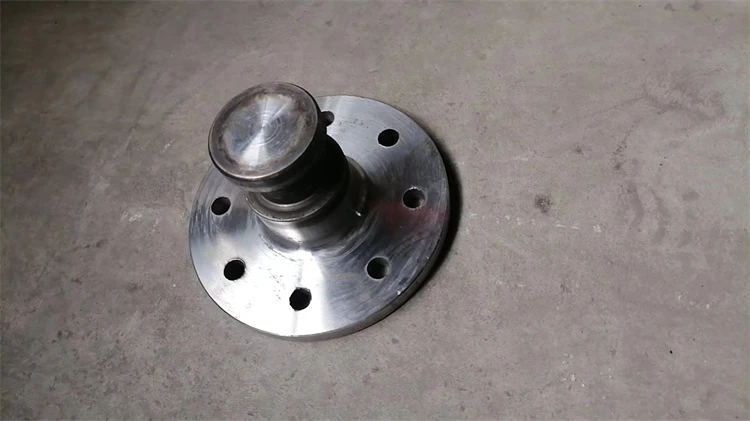
And if you're in the market for a Semi Trailer 50 Prefabricated Kingpin, we've got you covered. The kingpin is a critical component that connects the semi - trailer to the tractor. Our prefabricated kingpins are made to high - quality standards, ensuring a secure and reliable connection.
Back to the freezing issue, some people also use anti - freeze additives in their air brake systems. These additives lower the freezing point of the water in the tanks. However, you need to be careful when using these additives. Make sure they're compatible with your air brake system, and follow the manufacturer's instructions.

In addition to these preventive measures, it's also important to do a pre - trip inspection, especially in cold weather. Check the air brake tanks and lines for any signs of ice or damage. Listen for any strange noises when you operate the brakes. If you notice anything off, it's better to address it before hitting the road.
If you do find that your air brake tanks have frozen, don't try to thaw them out too quickly. Rapid thawing can cause damage to the system. A slow, natural thawing process is usually the best way to go. You can park the vehicle in a warm area and let the ice melt gradually.
As a supplier, I've seen firsthand the impact that frozen air brake tanks can have on a vehicle's performance and safety. That's why I'm so passionate about educating people on how to prevent this issue. And if you're in the market for air brake tanks or any of our other trailer accessories, I'd love to talk to you. Whether you're a trucking company, a fleet manager, or an independent owner - operator, we can provide you with high - quality products at competitive prices.
Don't hesitate to reach out if you have any questions about air brake tanks, freezing prevention, or any of our other products. We're here to help you keep your vehicles running safely and efficiently, no matter what the weather throws at you.
In conclusion, yes, air brake tanks can freeze in cold weather, and it's a problem that needs to be taken seriously. But with proper maintenance, preventive measures, and the right products, you can minimize the risk and keep your air brake system in top shape.
References
- Smith, J. (2020). "The Basics of Air Brake Systems". Trucking Magazine.
- Johnson, A. (2019). "Cold Weather Maintenance for Heavy - Duty Vehicles". Automotive Journal.