

Hey there! I'm an air suspension supplier, and I often get asked whether air suspension can be used in winter. It's a valid question, especially considering the harsh conditions that winter brings. In this blog, I'll share my insights based on years of experience in the industry.
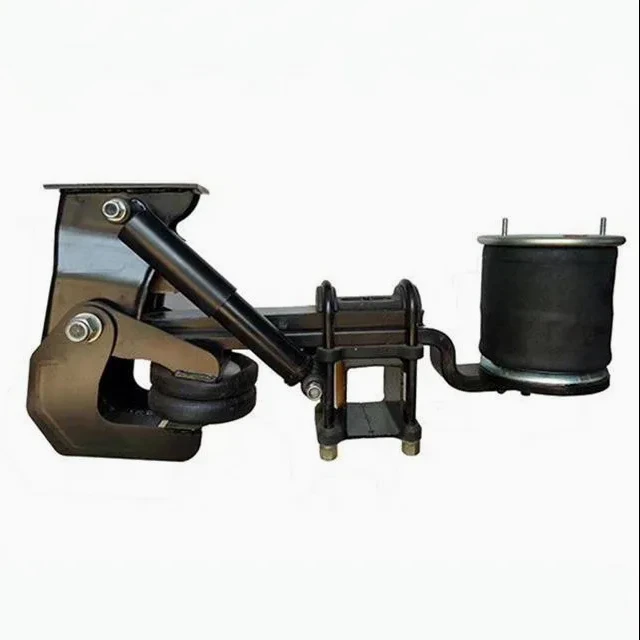
Let's start by understanding what air suspension is. Air suspension is a type of vehicle suspension powered by an electric or engine-driven air pump or compressor. This pump pumps air into a flexible bellows, usually made from textile-reinforced rubber. The air pressure inflates the bellows, and raises the chassis from the axle. It offers a smoother ride, better handling, and the ability to adjust the vehicle's height. You can check out our Air Suspension products on our website.
Now, let's talk about winter. Winter is characterized by cold temperatures, snow, ice, and salt on the roads. These conditions can pose challenges to air suspension systems.
Cold Temperatures
Cold temperatures can have a significant impact on air suspension. The air inside the bellows contracts as the temperature drops. This contraction can lead to a decrease in air pressure, causing the vehicle to sit lower than normal. In extreme cold, the rubber components of the air suspension can become brittle. Brittle rubber is more prone to cracking and leaks, which can compromise the performance of the suspension system.
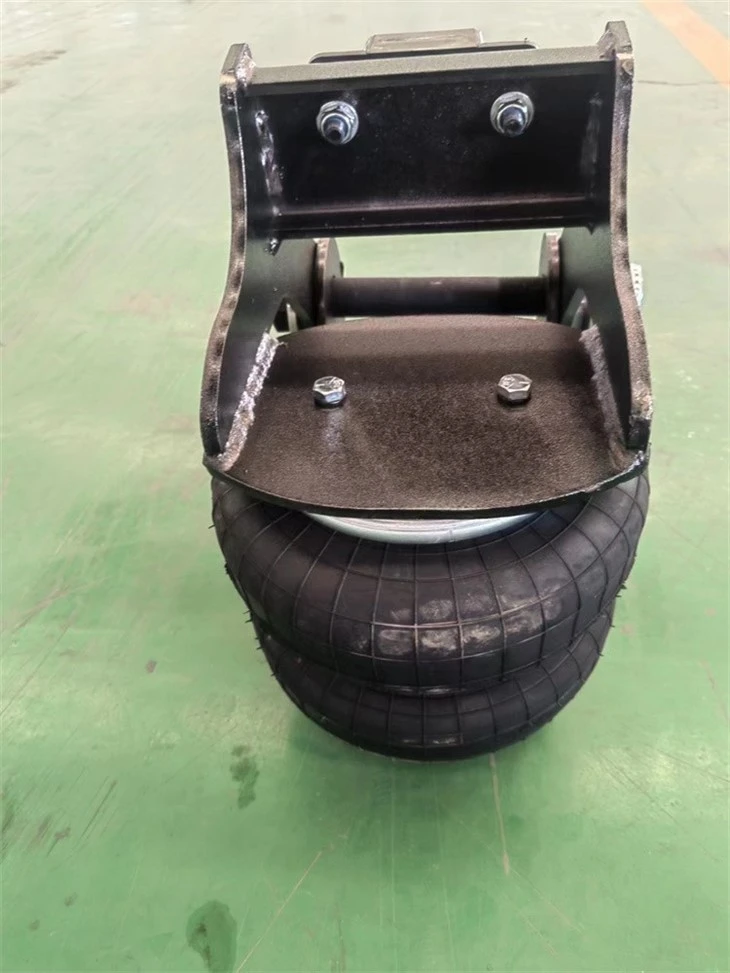
However, modern air suspension systems are designed to handle a wide range of temperatures. They often come with temperature sensors that can adjust the air pressure automatically to compensate for the changes in temperature. Some systems also use special rubber compounds that are more resistant to cold temperatures.
Snow and Ice
Snow and ice on the roads can also affect air suspension. If snow or ice accumulates around the air suspension components, it can restrict their movement. This can lead to a rough ride and potentially damage the suspension system.
To prevent this, it's important to keep the air suspension components clean. Regularly check for any signs of snow or ice buildup and remove it carefully. You can also use a protective coating on the components to prevent snow and ice from sticking.
Road Salt
Road salt is commonly used to melt ice and snow on the roads during winter. While it helps to keep the roads safe, it can be corrosive to the air suspension components. Salt can cause rust and corrosion, which can weaken the components and lead to premature failure.
To protect the air suspension from road salt, it's important to wash the vehicle regularly, especially the undercarriage. Make sure to use a high-pressure washer to remove any salt that may have accumulated on the components. You can also apply a rust inhibitor to the components to provide an extra layer of protection.
Our Solutions
As an air suspension supplier, we understand the challenges that winter brings. That's why we offer a range of products that are designed to perform well in cold conditions.
Our Lifting Air Suspension is a great option for winter. It allows you to adjust the height of the vehicle, which can be useful for avoiding snow and ice on the roads. It also has a robust design that can withstand the harsh winter conditions.
Another product we recommend is our Air Suspension With Guide Arm. The guide arm provides additional stability and support, which is especially important in winter when the roads are slippery.
Maintenance Tips for Winter
In addition to choosing the right air suspension system, proper maintenance is crucial for ensuring its performance in winter. Here are some maintenance tips:
- Check the Air Pressure Regularly: Cold temperatures can cause the air pressure to drop, so it's important to check the air pressure regularly and adjust it as needed.
- Inspect the Components: Look for any signs of damage, such as cracks or leaks, in the air suspension components. If you notice any issues, have them repaired immediately.
- Lubricate the Moving Parts: Lubricating the moving parts of the air suspension can help to prevent them from freezing and ensure smooth operation.
- Store the Vehicle Properly: If you're not going to use the vehicle for an extended period during winter, store it in a dry, heated garage to protect the air suspension from the cold.
Conclusion
So, can air suspension be used in winter? The answer is yes, but it requires proper care and maintenance. With the right air suspension system and regular maintenance, you can enjoy a smooth and comfortable ride even in the coldest winter conditions.
If you're interested in learning more about our air suspension products or have any questions about using air suspension in winter, feel free to reach out to us. We're here to help you make the right choice for your vehicle.
References
- "Automotive Suspension Systems" by John C. Dixon
- "Vehicle Dynamics: Theory and Application" by Rajesh Rajamani


