

Hey there! As a supplier of built-in support legs, I often get asked a bunch of questions. One that pops up quite a bit is, "Can built in support legs be used in a wet environment?" Well, let's dive right into this topic and break it down.
First off, let's understand what Built-in Support Legs are. These are essential components in many trailer setups. They provide crucial support, helping to keep the trailer stable when it's parked or during loading and unloading. You can think of them as the unsung heroes of the trailer world, quietly doing their job to ensure everything runs smoothly.
Now, when it comes to using them in a wet environment, there are a few factors we need to consider. One of the main concerns is corrosion. Water, especially if it's not just plain water but has salts or other chemicals in it (like in seawater or in areas where de - icing salts are used on roads), can cause metal parts to rust. Most built-in support legs are made of metal, typically steel or iron. When these metals come into contact with water and oxygen, a chemical reaction occurs, and rust starts to form.
Rust is not just an aesthetic issue. It can weaken the structure of the support legs over time. As the rust eats away at the metal, the legs may lose their strength and integrity. This can lead to problems such as the legs bending or breaking under the weight of the trailer. And let me tell you, that's a nightmare scenario for any trailer owner.
But does that mean you can never use built-in support legs in a wet environment? Not at all! There are ways to mitigate the risks. One option is to use support legs that are made of corrosion - resistant materials. For example, some manufacturers offer support legs made of stainless steel. Stainless steel contains chromium, which forms a thin, protective layer on the surface of the metal when it comes into contact with oxygen. This layer prevents further oxidation and rusting, making it a great choice for wet conditions.
Another solution is to apply protective coatings to the support legs. There are various types of coatings available, such as powder coatings or galvanization. Powder coating involves applying a dry powder to the metal surface and then baking it on. This creates a hard, durable finish that can resist moisture and abrasion. Galvanization, on the other hand, involves coating the metal with a layer of zinc. Zinc is more reactive than iron or steel, so it corrodes first, sacrificing itself to protect the underlying metal.
In addition to material and coating choices, proper maintenance is also key. After using the support legs in a wet environment, it's important to dry them off as soon as possible. You can use a clean, dry cloth to wipe away any excess water. It's also a good idea to inspect the legs regularly for signs of rust or damage. If you notice any rust spots, you can use a wire brush to remove the loose rust and then apply a rust - inhibiting primer and paint to prevent further corrosion.
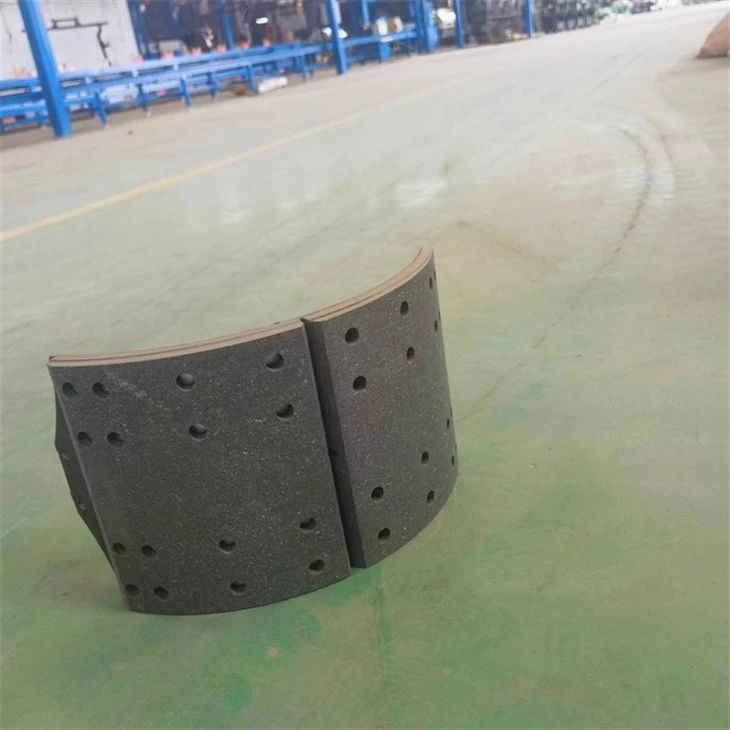
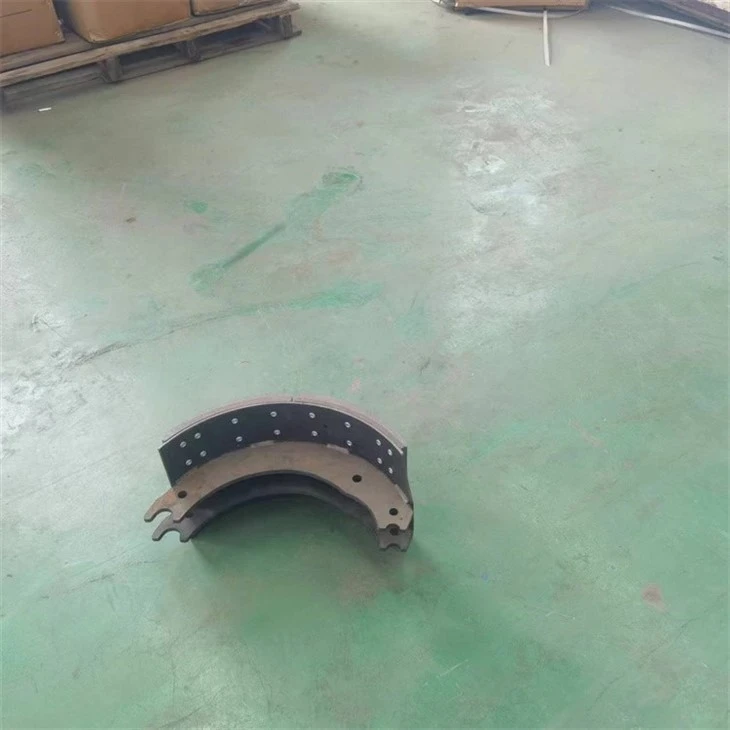
Let's also talk about some of the other trailer accessories that might be affected by wet environments. For instance, Axle Brake Pads are another critical component. When they get wet, their braking performance can be significantly reduced. Water can create a layer between the brake pads and the brake rotors, reducing the friction needed to stop the trailer. This can be extremely dangerous, especially when you're on the road.
To deal with this issue, some axle brake pads are designed with special materials or features to resist water. For example, there are brake pads with grooves or channels that help to disperse water quickly, maintaining better contact with the rotors. And just like with the support legs, regular inspection and maintenance of the brake pads are essential.
Another accessory to consider is the Twist Lock Container for Trailers. These containers are used to secure cargo on the trailer. In a wet environment, the twist locks can also be prone to rusting. Similar to the support legs, using corrosion - resistant materials or applying protective coatings can help extend their lifespan.
Now, let's think about the practical applications of using built-in support legs in wet environments. There are many situations where trailers need to be parked or operated in wet conditions. For example, if you're transporting goods to a coastal area or a place with a lot of rainfall, you'll likely encounter wet ground. Or if you're involved in activities like fishing or boating, your trailer may be exposed to water when you're launching or retrieving your boat.
In these cases, having reliable built-in support legs is crucial. You need to be confident that the legs can hold up under the weight of the trailer, even when they're wet. That's why it's so important to choose the right support legs and take the necessary precautions to protect them.
When it comes to choosing the right built-in support legs for your needs, there are a few things to keep in mind. First, consider the environment in which you'll be using the legs. If you'll be in a wet environment most of the time, go for corrosion - resistant materials or coated legs. Second, look at the weight capacity of the support legs. Make sure they can handle the weight of your trailer and its cargo. And finally, consider the brand and reputation of the manufacturer. A well - known and reliable manufacturer is more likely to produce high - quality support legs that will last.
If you're in the market for built-in support legs or any other trailer accessories, I encourage you to reach out. As a supplier, I have a wide range of products to meet your needs. Whether you're looking for corrosion - resistant support legs, high - performance axle brake pads, or durable twist lock containers, I can help you find the right solutions. Contact me to start a conversation about your requirements and let's work together to get you the best trailer accessories for your situation.
References
- "Corrosion of Metals" - A general chemistry textbook on metal corrosion processes.
- "Trailer Maintenance Guide" - A handbook for trailer owners on maintaining various trailer components.
- Manufacturer specifications for built-in support legs, axle brake pads, and twist lock containers.


