

In the realm of emergency medical services, the performance and functionality of ambulances are of utmost importance. One critical aspect that often goes unnoticed but significantly impacts the overall effectiveness of an ambulance is its suspension system. Among the various suspension options available, air suspension stands out as a superior choice, offering a multitude of advantages that directly contribute to the well - being of patients and the efficiency of medical teams. As an air suspension supplier, I have witnessed firsthand how this technology can revolutionize the ambulance industry.
Enhanced Patient Comfort
One of the primary advantages of air suspension in ambulances is the enhanced comfort it provides for patients. When a patient is being transported to a medical facility, they are often in a vulnerable and painful state. The last thing they need is to be jolted around by a rough - riding vehicle. Air suspension systems are designed to absorb shocks and vibrations from the road surface, providing a smooth and stable ride.
Unlike traditional steel spring suspensions, air suspension can adjust its stiffness in real - time based on the road conditions and the load of the ambulance. For example, when driving on a bumpy rural road, the air suspension can increase its damping to reduce the impact of the bumps. Conversely, on a smooth highway, it can soften the ride for maximum comfort. This ability to adapt ensures that patients experience minimal discomfort during transport, which is especially crucial for those with serious injuries or medical conditions.
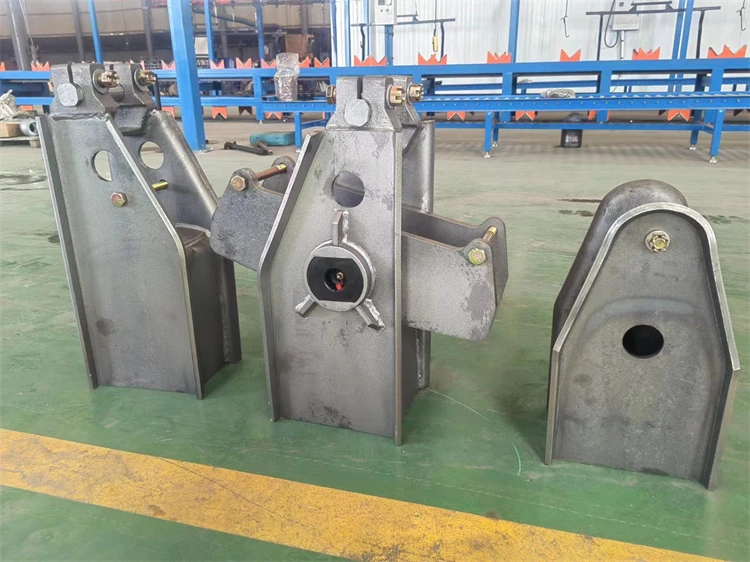

Improved Vehicle Stability
Vehicle stability is another key benefit of air suspension in ambulances. Ambulances often need to make sudden stops, turns, and maneuvers while en route to an emergency or a hospital. A stable vehicle is essential to prevent patients from being thrown around inside the ambulance and to ensure the safety of the medical team.
Air suspension systems distribute the weight of the ambulance evenly across all wheels. This balanced weight distribution reduces the risk of roll - overs and improves the vehicle's handling characteristics. Additionally, air suspension can lower the ambulance's center of gravity, which further enhances stability during high - speed driving and sharp turns. For instance, when an ambulance needs to make a quick turn at an intersection, the air suspension can adjust the height and stiffness of each wheel to keep the vehicle level and prevent it from tipping over.
Better Protection for Medical Equipment
Ambulances are equipped with a wide range of sensitive medical equipment, such as defibrillators, ventilators, and monitoring devices. These devices are crucial for providing life - saving treatment to patients, but they are also very delicate and can be easily damaged by excessive vibrations and shocks.
Air suspension helps to protect this equipment by isolating it from the road vibrations. The smooth ride provided by air suspension reduces the stress on the medical equipment, extending its lifespan and ensuring its proper functioning. For example, a defibrillator that is constantly subjected to rough vibrations may develop internal faults over time, which could potentially lead to a failure when it is needed most. With air suspension, the risk of such equipment failures is significantly reduced.
Customizable Ride Height
One unique feature of air suspension is its ability to adjust the ride height of the ambulance. This is particularly useful in various real - world scenarios. For example, when an ambulance arrives at a location to pick up a patient, it can lower its ride height to make it easier for the stretcher to be loaded into the vehicle. This not only saves time but also reduces the physical strain on the medical staff.
On the other hand, when the ambulance needs to drive on rough or uneven terrain, it can raise its ride height to increase ground clearance. This allows the ambulance to navigate through potholes, mud, and other obstacles without getting stuck or damaging the undercarriage. The ability to customize the ride height gives ambulances greater versatility and makes them more suitable for a wide range of operating conditions.
Reduced Wear and Tear on the Vehicle
Air suspension can also contribute to reducing the wear and tear on the ambulance itself. The smooth ride provided by air suspension reduces the stress on the vehicle's chassis, tires, and other components. This means that these parts are less likely to wear out prematurely, resulting in lower maintenance costs and longer vehicle lifespan.
For example, the tires on an ambulance with air suspension experience more even wear because the weight is distributed evenly across all wheels. This not only extends the life of the tires but also improves the vehicle's fuel efficiency. Additionally, the reduced stress on the chassis and other mechanical components means that there are fewer breakdowns and less downtime for the ambulance, which is crucial for emergency medical services.
Compatibility with Different Ambulance Types
Our air suspension products are highly compatible with different types of ambulances, whether they are based on vans, trucks, or other platforms. We offer a variety of air suspension solutions, including Air Suspension, Heavy Machinery Suspension, and Lifting Air Suspension. These suspensions can be easily integrated into existing ambulance models, and our technical team can provide support for installation and customization.
Whether you are looking to upgrade an old ambulance or equip a new one, our air suspension systems can be tailored to meet your specific needs. We understand that different ambulance operators have different requirements, and we are committed to providing the best - suited air suspension solutions for each customer.
Conclusion
In conclusion, air suspension offers numerous advantages for ambulances, including enhanced patient comfort, improved vehicle stability, better protection for medical equipment, customizable ride height, reduced wear and tear on the vehicle, and compatibility with different ambulance types. As an air suspension supplier, we are dedicated to providing high - quality air suspension systems that can significantly improve the performance and functionality of ambulances.
If you are in the market for air suspension for your ambulances, we encourage you to reach out to us for a detailed discussion. Our team of experts is ready to answer all your questions and provide you with the best solutions for your needs. We believe that by choosing our air suspension products, you can enhance the quality of emergency medical services and make a positive impact on the lives of patients.
References
- "Automotive Suspension Systems: Theory and Design" by Douglas Crolla
- "Vehicle Dynamics: Theory and Application" by Thomas D. Gillespie
- Research papers on the impact of suspension systems on vehicle comfort and equipment protection in the Journal of Automotive Engineering.


