

In the realm of precision equipment, the quest for stability and accuracy is unending. Every component plays a crucial role in ensuring that these high - end devices function at their best. One such component that often goes under the radar but can have a significant impact is the external support leg. As a supplier of external support legs, I've delved deep into the question: Can external support legs be used in precision equipment? Let's explore this topic in detail.
The Nature of Precision Equipment
Precision equipment is designed to perform tasks with extremely high levels of accuracy. This can range from laboratory instruments that measure minute chemical changes to high - end manufacturing machinery that creates components with tolerances measured in micrometers. These devices are often sensitive to even the slightest vibrations, misalignments, or movements.
The stability of precision equipment is of utmost importance. A small deviation in position or a minor vibration can lead to inaccurate measurements or faulty production. For example, in a scanning electron microscope, any movement can blur the image, making it difficult to analyze the sample at the nanoscale. Similarly, in a CNC machining center, vibrations can cause uneven cuts, leading to defective parts.
How External Support Legs Work
External support legs are designed to provide additional stability to equipment. They work by distributing the weight of the equipment evenly across a larger surface area. This helps to reduce the pressure on any single point and minimizes the risk of the equipment tipping over or shifting.
Most external support legs are adjustable. This means that they can be fine - tuned to level the equipment, compensating for uneven floors or surfaces. By adjusting the height of each leg, it's possible to ensure that the equipment is perfectly horizontal, which is crucial for precision operations.
Some external support legs are also equipped with vibration - damping materials. These materials absorb and dissipate vibrations, preventing them from being transferred to the equipment. This is especially important in environments where there are external sources of vibration, such as in a factory with heavy machinery nearby.
Advantages of Using External Support Legs in Precision Equipment
Enhanced Stability
The primary advantage of using external support legs is the enhanced stability they provide. By evenly distributing the weight and reducing the risk of movement, they help to keep the equipment in place. This is particularly important for large or heavy precision equipment that may be more prone to tipping or shifting.
Improved Accuracy
With better stability comes improved accuracy. When the equipment is stable, it can perform its tasks with greater precision. For example, in a metrology instrument, a stable base ensures that the measurements are more accurate, as there is less chance of the instrument moving during the measurement process.
Protection Against Uneven Surfaces
Many precision equipment is used in environments where the floors may not be perfectly level. External support legs can compensate for these uneven surfaces, allowing the equipment to be set up and used in a wider range of locations. This flexibility is a significant advantage, especially for mobile or portable precision equipment.
Vibration Isolation
As mentioned earlier, vibrations can have a detrimental effect on precision equipment. External support legs with vibration - damping materials can isolate the equipment from external vibrations, ensuring that it operates smoothly and accurately.
Challenges and Considerations
While external support legs offer many advantages, there are also some challenges and considerations to keep in mind when using them in precision equipment.
Compatibility
Not all external support legs are compatible with all types of precision equipment. It's important to choose support legs that are designed to work with the specific equipment in question. Factors such as the weight, size, and shape of the equipment need to be taken into account when selecting the support legs.
Installation
Proper installation of external support legs is crucial. Incorrect installation can lead to uneven weight distribution, which can actually reduce the stability of the equipment. It's important to follow the manufacturer's instructions carefully when installing the support legs.
Maintenance
External support legs also require regular maintenance. This includes checking for wear and tear, ensuring that the adjustment mechanisms are working properly, and cleaning the legs to prevent the build - up of dirt and debris.
Real - World Applications
External support legs have found numerous applications in precision equipment across various industries.
Laboratory Equipment
In laboratories, precision instruments such as microscopes, spectrometers, and balances require a stable base for accurate measurements. External support legs can provide the necessary stability, especially in laboratories where the floors may not be perfectly level.
Manufacturing Equipment
In the manufacturing industry, precision machining centers, 3D printers, and other high - end equipment rely on external support legs for stability. These legs help to ensure that the parts produced are of high quality and meet the required tolerances.
Medical Equipment
Medical equipment, such as MRI machines and surgical robots, also benefit from the use of external support legs. The stability provided by these legs is crucial for accurate diagnoses and safe surgical procedures.
Product Recommendations
As a supplier of external support legs, I'd like to recommend some of our popular products. We offer a range of external support legs suitable for different types of precision equipment.
- Our Built-in Aluminum Legs are lightweight yet strong, making them ideal for portable precision equipment. They are also corrosion - resistant, ensuring long - term durability.
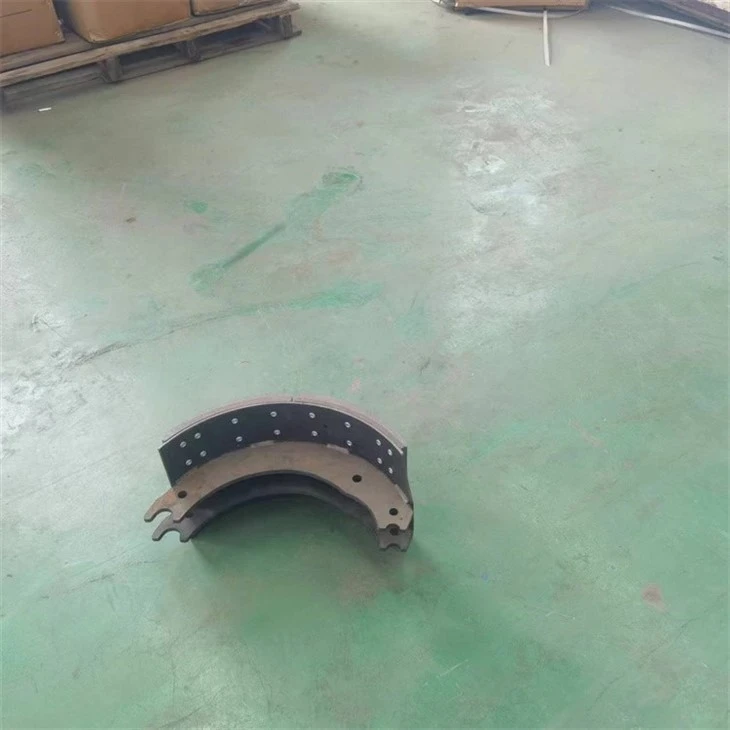
- For heavy - duty precision equipment, our Axle Brake Pads - supported external support legs are a great choice. The Axle Brake Pads provide additional stability and can handle the high weight of large equipment.
- If vibration isolation is a concern, our external support legs with Aluminum Gas Storage Cylinder technology are recommended. These cylinders help to absorb and dampen vibrations, ensuring smooth operation of the equipment.
Conclusion
In conclusion, external support legs can indeed be used in precision equipment, and they offer many advantages. They enhance stability, improve accuracy, protect against uneven surfaces, and isolate the equipment from vibrations. However, it's important to consider factors such as compatibility, installation, and maintenance when using these legs.
If you're in the market for external support legs for your precision equipment, I encourage you to reach out for a detailed discussion. We can help you select the right support legs for your specific needs and ensure that they are installed and maintained properly. Let's work together to improve the performance and accuracy of your precision equipment.

References
- "Precision Engineering Handbook" by John G. Webster
- "Stability and Vibration Analysis of Mechanical Systems" by Robert D. Blevins
- Industry reports on precision equipment manufacturing and usage.


